
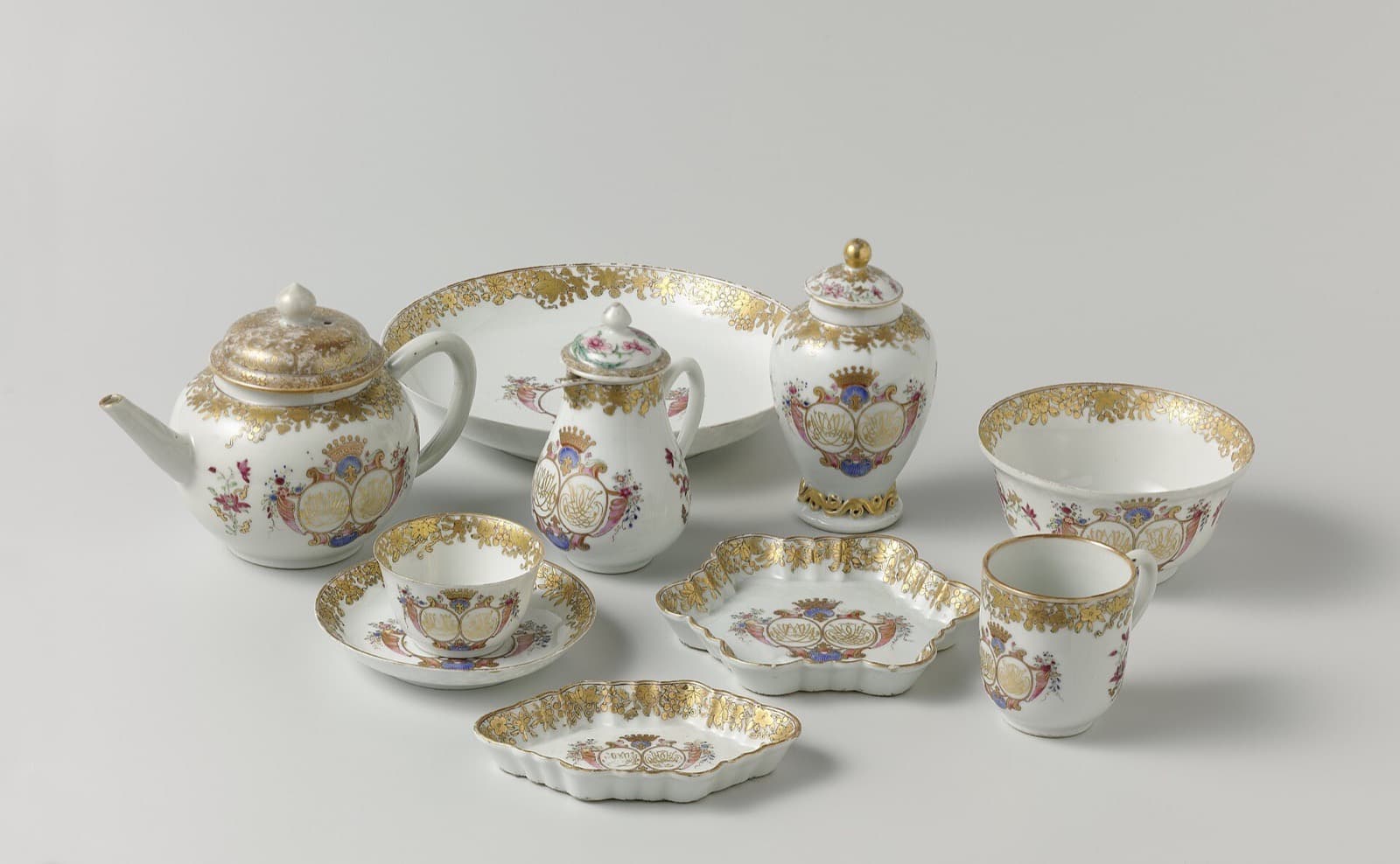
A Chinese tea set is a small brewing kit built around one idea: brew a lot of leaf in a little vessel, in short repeated steeps, so you can taste a single tea change from one infusion to the next. A typical set pairs a small pot or gaiwan with a fairness pitcher and a few tiny cups — usually holding a fraction of what a Western mug does.
If you have ever watched tea poured in a slow, deliberate gongfu session and wanted to try it at home, a good Chinese tea set is the way in. This guide explains what each piece does, how the common materials (porcelain, glass, and unglazed Yixing clay) actually differ, and which sets are worth buying. Money-saving note up front: you do not need the biggest set. A three- or four-piece starter covers everything a beginner needs.
What comes in a Chinese tea set
Sets vary, but most are assembled from the same family of pieces. Knowing what each one is for helps you judge whether a set is complete or padded with things you won't use.
- Brewing vessel — either a small teapot (often 100-200 ml) or a gaiwan, the lidded bowl used to steep and pour. This is the heart of the set.
- Fairness pitcher (cha hai / gong dao bei) — you pour the finished infusion into this before serving, so every cup is the same strength. Genuinely useful; don't skip it.
- Small cups — tasting cups that hold just a sip or two, so the tea stays hot and you drink it at its best.
- Strainer — a small mesh filter that sits over the pitcher to catch stray leaves.
- Tea tray or boat — a slotted tray that catches the water you pour during rinsing and warming. Optional but tidy.
- Tools — tongs, a scoop, a needle for clearing the spout. Nice extras, not essential.
A beginner set of vessel + pitcher + cups + strainer is plenty. If you want to understand the ritual these pieces serve, our chinese tea ceremony guide walks through a full gongfu session.
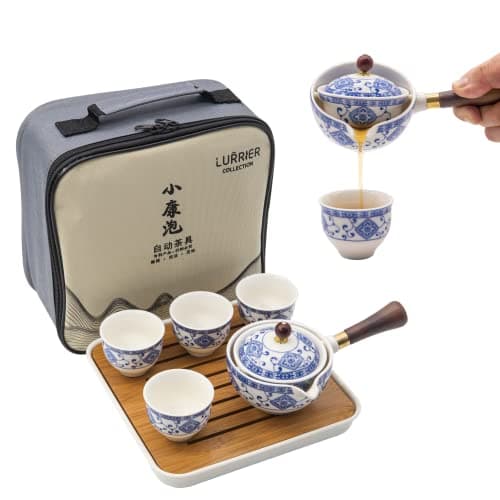
LURRIER Porcelain Chinese Gongfu Tea Set,Portable Teapot Set
A porcelain pick — a consistent favorite with strong owner ratings.
Shop Now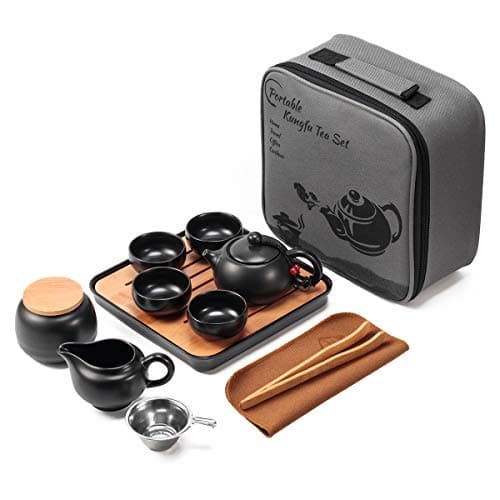
Chinese Tea Pot Cup Set with Tray Infuser - Travel Ceramic Tea
A porcelain, ceramic pick — a consistent favorite with strong owner ratings.
Shop Now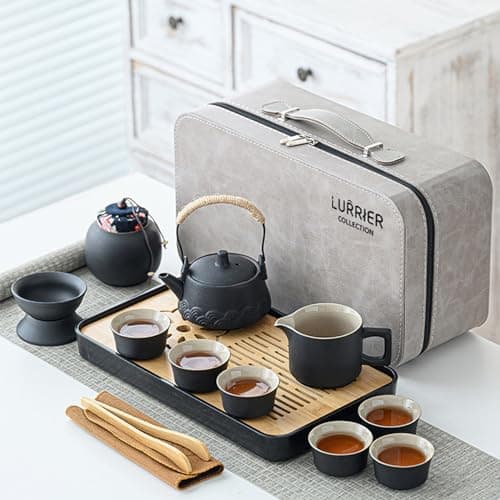
LURRIER Gongfu tea sets, Portable Ceramic TeaSet, Asian Tea
A ceramic pick — a consistent favorite with strong owner ratings.
Shop Now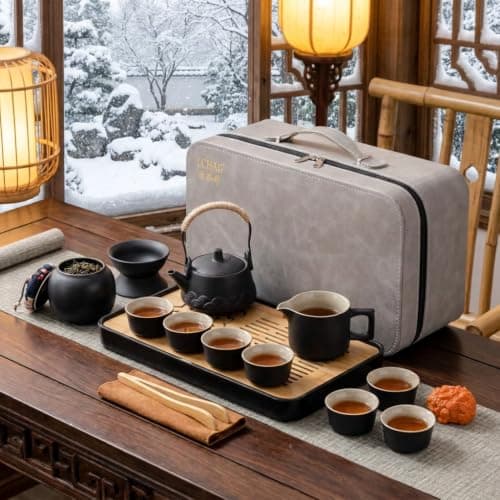
ICHAG Chinese Tea Set, Japanese Tea Sets for Adults, 15-Piece
A porcelain pick — a consistent favorite with strong owner ratings.
Shop Now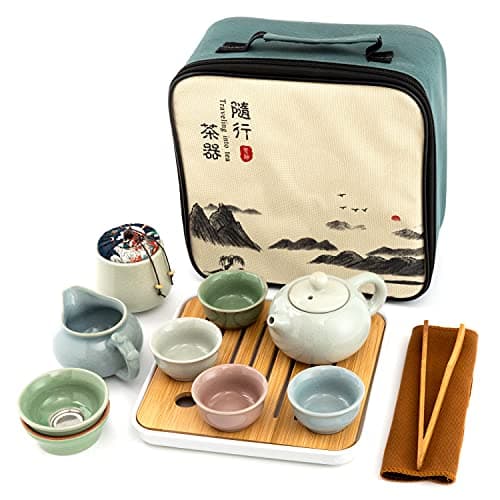
Ceramic Kungfu Tea Sets 12 Piece,Mini Protable Travel Tea Set
A ceramic pick — a consistent favorite with strong owner ratings.
Shop Now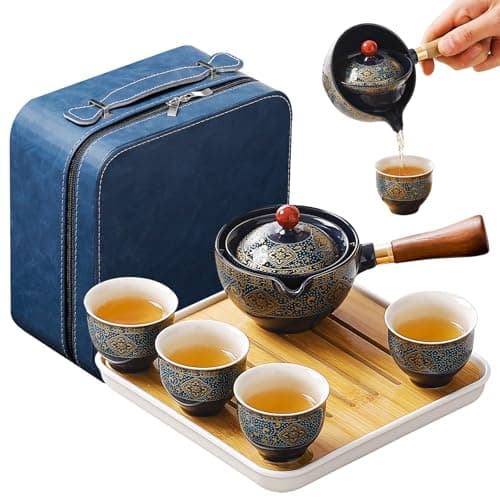
Chinese Tea Set,Chinese Gongfu Tea Set, Portable Teapot Set
A well-made pick — a consistent favorite with strong owner ratings.
Shop NowProduct prices and availability are accurate as of September 14, 2026 and are subject to change. Any price and availability information displayed on Amazon at the time of purchase will apply.
Porcelain vs glass vs clay: which material to choose
Material is the single biggest decision, because it changes both how the set behaves and how much you'll pay.
| Material | Best for | Notes |
|---|---|---|
| Porcelain | Any tea; beginners | Neutral, easy to clean, shows the tea's true color. The safe, versatile default. |
| Glass | Seeing the leaves; green and blooming teas | Neutral like porcelain, and you get to watch the liquor and leaves. Fragile. |
| Yixing clay | One dedicated tea (oolong or pu-erh) | Unglazed and porous; it seasons over time and smooths a tea, but absorbs flavor so you commit it to a single tea type. |
For a first set, choose porcelain or glass. Both are neutral, so one set can brew green tea today and oolong tomorrow. Save unglazed Yixing clay for later, once you know which single tea you love enough to dedicate a pot to it. A common beginner mistake is buying a beautiful clay set and then brewing five different teas in it, muddying them all.
Gaiwan set or teapot set?
Within Chinese tea sets, the brewing vessel is usually either a gaiwan or a small teapot, and they suit different temperaments.
A gaiwan set is the most versatile. The lidded bowl is neutral porcelain, rinses clean in seconds, and lets you switch teas freely. It has a small learning curve — the rim gets hot until you find the grip — but once it clicks, it is the most flexible brewing tool there is. Our gaiwan guide covers the technique.
A teapot set is a little more forgiving to pour and feels familiar if you're used to Western teapots. Small clay or porcelain pots hold heat well and look beautiful, but a clay one ties you to one tea type. If you want one set to do everything, choose a porcelain gaiwan set; if you already know you'll live in oolong or pu-erh, a small clay teapot set rewards that commitment. If you're still exploring which teas you love, start with our chinese tea overview.
What to look for before you buy
A few practical checks separate a set you'll use daily from one that ends up in a cupboard:
- Size that matches your habit. A 120-150 ml vessel is a sweet spot — big enough to share a couple of cups, small enough for proper gongfu steeps. Huge sets look impressive but brew weak, sloppy tea.
- A comfortable pour. The gaiwan lid or teapot spout should pour cleanly without dribbling. Read reviews specifically for pour quality.
- A real strainer. Fine mesh beats a few large holes for keeping leaf fragments out of the cup.
- Heat you can handle. Thicker rims and handled pitchers are more forgiving of hot water.
- Neutral material for your first set. Porcelain or glass, so you're not locked into one tea.
Don't overpay for a huge number of pieces. Four good pieces you reach for beat a twelve-piece boxed set where half stays wrapped. Quality of the brewing vessel matters far more than the count.
How to use your new Chinese tea set
The gongfu method your set is built for is simpler than it looks. A short version to get you started:
- Warm everything. Pour hot water over the vessel, pitcher, and cups, then discard it. This heats the set and rinses the cups.
- Add leaf generously — more than you'd use in a mug, roughly filling the bottom of the gaiwan or pot.
- Rinse the leaves with a quick pour of hot water that you immediately discard (especially for oolong and pu-erh).
- Steep briefly — often just 10-30 seconds for the first real infusion.
- Pour into the pitcher through the strainer, then into the cups, so every cup is even.
- Re-steep. Good tea gives five, six, or more infusions, each a little different. Add a few seconds each time.
That is the whole rhythm. It rewards attention without demanding it — the essence of a calm tea practice, which is what we care about at Tea & Peace. For the full ceremony and its meaning, see chinese tea ceremony.
What you get at each price, and gifting tips
Chinese tea sets span a wide price range, and knowing what each tier buys you prevents both overspending and disappointment.
- Entry level: a simple porcelain gaiwan, a small pitcher, a strainer, and a few plain cups. Honestly, this is all a beginner needs, and the tea it makes is no worse for the modest price. A great starting point.
- Mid-range: better-finished porcelain or a nice glass set, a more comfortable pitcher, and often a small tray. The pour quality and the feel in the hand improve here — the sweet spot for someone who knows they'll use it often.
- Premium: hand-finished porcelain, artisan Yixing clay, or a full setup with a purpose-made tea tray and tools. Beautiful, and worth it for a dedicated drinker, but not necessary to brew excellent tea.
A Chinese tea set also makes a genuinely lovely gift, because it gives someone an experience, not just an object. If you're buying for a beginner, choose a neutral porcelain gaiwan set rather than clay — it's forgiving, versatile, and won't lock them into one tea before they've found their favorite. Pair it with a small selection of teas (a green, an oolong, a black) so they can explore. Our chinese tea guide is a friendly companion gift to slip in the card.
Caring for your set so it lasts
Chinese tea sets are made to be used every day, and a little care keeps them beautiful for years.
- Porcelain and glass: rinse with hot water, and use mild soap only when needed. Air-dry upside down so no water sits inside.
- Yixing clay: never use soap — it destroys the seasoning that makes clay worth owning. Rinse with hot water, wipe the outside, and let it air-dry fully with the lid off.
- Handle the thin cups gently. Tiny tasting cups chip easily; wash them one at a time.
- Store loosely. Don't stack lids tight or trap moisture, which can cause musty smells.
The reward for this small routine is a set that seasons and softens with time — especially clay, which many drinkers say makes their favorite tea taste rounder after months of use. For care across your whole kit, see the teaware guide.
From our testing notes
A useful sizing reference: a 120-150 ml brewing vessel paired with 30-50 ml cups is the practical sweet spot for home gongfu. It brews strong enough for real infusions, serves two people comfortably, and doesn't waste leaf — whereas 250 ml+ 'display' sets tend to brew thin, flat tea that misses the point of the method.
Sources & further reading
Frequently asked questions
What's the best Chinese tea set for a beginner?
A neutral porcelain or glass gaiwan set with a fairness pitcher, a few cups, and a strainer. Porcelain and glass don't absorb flavor, so one set brews any tea, and a gaiwan is the most versatile vessel once you get the grip. Save unglazed clay for later.
Why are the cups in a Chinese tea set so small?
Small cups keep the tea hot and let you drink each sip at its best, and they suit the gongfu style of many short, strong infusions. You refill often rather than nursing one large cup as it goes cold and bitter.
Do I need a Yixing clay set?
Not to start. Unglazed Yixing clay absorbs flavor, so you dedicate one pot to a single tea type like oolong or pu-erh. It's a wonderful specialist piece once you know your favorite tea, but a neutral porcelain set is far more versatile for a first purchase.
What is the fairness pitcher for?
You pour the finished infusion into the fairness pitcher (cha hai) before serving so that every cup gets tea of the same strength. Without it, the first cup poured is weak and the last is over-strong. It's one of the most genuinely useful pieces in the set.
How much tea do I put in a Chinese tea set?
More than you'd expect — gongfu brewing uses a lot of leaf in a small vessel. A rough starting point is enough leaf to loosely cover the bottom of the gaiwan, then short steeps of 10-30 seconds. Adjust to taste over several infusions.
Can I use a Chinese tea set for green tea?
Yes, especially a neutral porcelain or glass one. Use cooler water (around 175°F) and short steeps so the green tea stays sweet. A glass gaiwan is lovely for green tea because you can watch the leaves open. See our chinese green tea guide for specifics.
How many pieces should a good Chinese tea set have?
Quality matters more than count. A brewing vessel, a fairness pitcher, a strainer, and two to four cups cover everything a beginner needs. Large boxed sets often pad the count with tools you'll rarely use, so judge the brewing vessel first.
How do I clean a Chinese tea set?
Rinse porcelain and glass with hot water and air-dry them upside down. Never use soap on unglazed Yixing clay, as it ruins the seasoning — just rinse with hot water and let it dry fully with the lid off.