
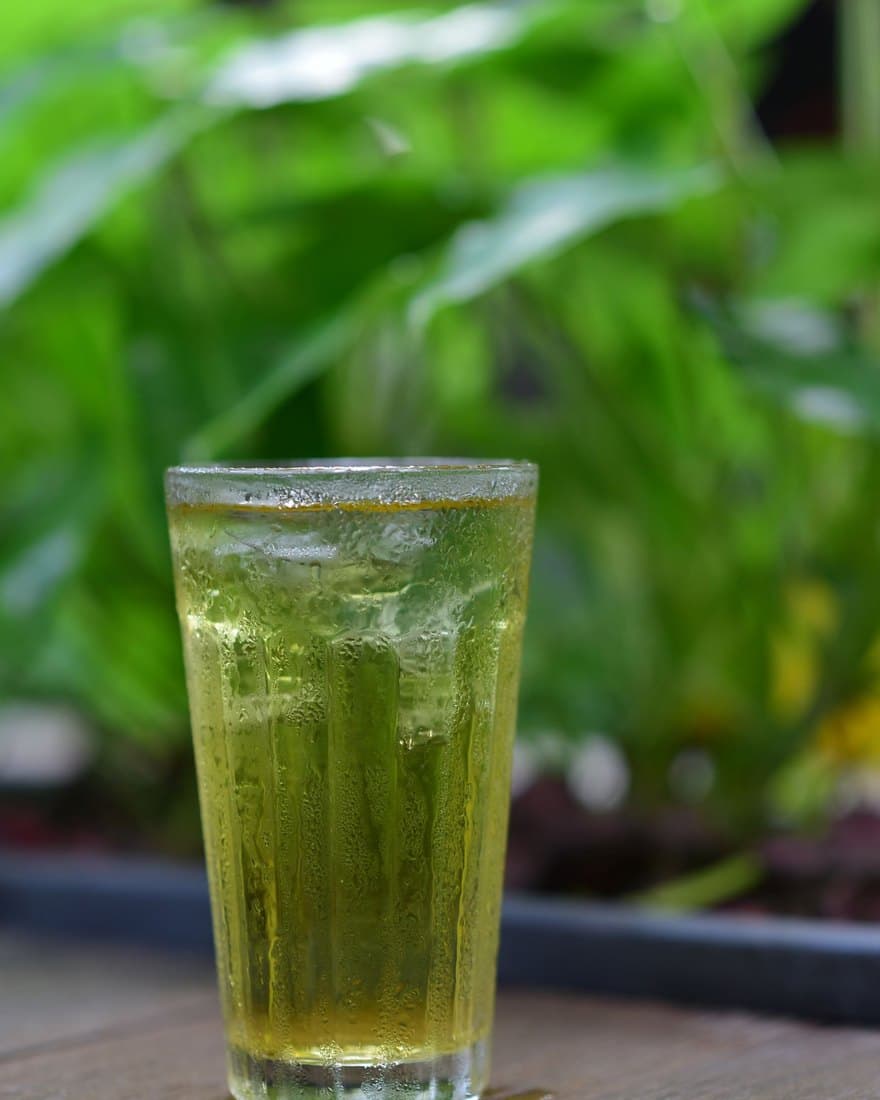
There are really only six types of tea in the traditional sense, and every one of them comes from the same plant: Camellia sinensis. White, green, yellow, oolong, black, and dark tea are not different plants at all. They are the same leaf treated in different ways, and the single factor that separates them is how much the leaf is allowed to oxidize before it dries.
Everything else people call "tea" — peppermint, chamomile, rooibos, hibiscus — is technically a tisane, an infusion of herbs, flowers, or roots that contains no actual tea leaf. Both belong in this guide, because both live in your cupboard and both deserve a place in a calm afternoon.
This is the hub page for our tea-types library. Below you'll find a plain-language map of each category, a side-by-side comparison table, and links to the deeper guides where each type gets its own full walkthrough.
Quick answer
- ✓The 6 true teas — white, green, yellow, oolong, black, and dark — all come from one plant, *Camellia sinensis*.
- ✓Oxidation level is the main thing that separates them: low for white and green, high for black, fully aged for dark (pu-erh).
- ✓Herbal "teas" are tisanes — they contain no tea leaf and are usually caffeine-free.
- ✓Lighter teas want cooler water and shorter steeps; darker teas take hotter water and longer steeps.
- ✓Caffeine varies more by leaf, grade, and brew time than by simple color.
One plant, six teas: what oxidation actually does
The reason all these types of tea taste so different comes down to a chemical process called oxidation. When you tear a tea leaf, enzymes inside it react with oxygen — the same browning you see when a sliced apple sits out. Tea makers either slow that process down or let it run, and that decision defines the category.
Stop oxidation almost immediately (with steam or a hot pan) and you get green tea: fresh, grassy, vegetal. Let the leaf wither and lightly oxidize and you get white tea, soft and delicate. Allow partial oxidation and you land in oolong territory, which spans a huge range from green-and-floral to dark-and-roasted. Let the leaf oxidize fully and you get black tea, brisk and malty. Yellow tea is a rare cousin of green with an extra gentle-smothering step that rounds off the grassy edge. And dark tea (including pu-erh) is fermented and aged, which is a different process from oxidation entirely.
Once you understand that spectrum, the whole world of tea stops feeling like a hundred random names and starts feeling like one dial turned to different settings.
Tea & gear for this guide
Hand-matched Amazon picks with strong owner ratings. As an Amazon Associate, Tea & Peace earns from qualifying purchases.
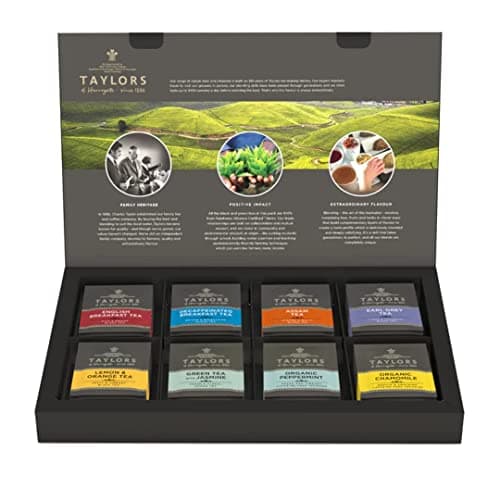
Taylors of Harrogate Assorted Specialty Teas Sampler, Variety Pack Gift
A caffeine-free herbal tea sampler to explore — 4.7★ across 29,770 ratings.
Shop Now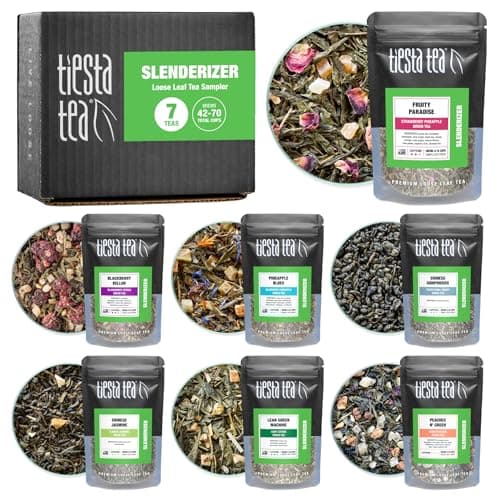
Tiesta Tea - 7 Green Teas Dry Flight Sampler, Loose Leaf, Medium Caffeine
Bright, grassy loose-leaf green tea — 4.6★ across 8,891 ratings.
Shop Now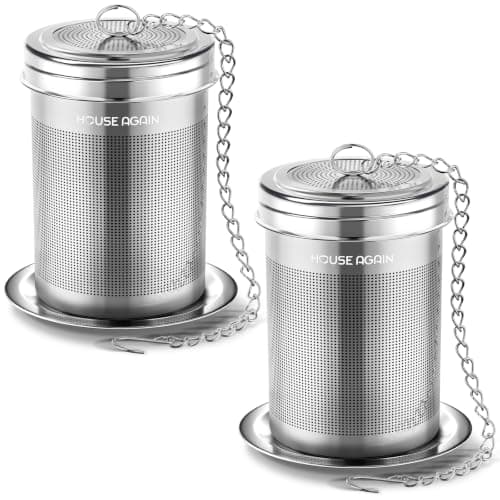
HOUSE AGAIN Tea Infuser, Extra Fine Mesh Tea Infusers for Loose Tea, 18/8
Fine-mesh stainless infuser for any loose tea — 4.6★ across 26,441 ratings.
Shop NowProduct prices and availability are accurate as of September 14, 2026 and are subject to change. Any price and availability information displayed on Amazon at the time of purchase will apply.
The six true teas at a glance
Here is the quick map, from least to most oxidized. Use it as a starting point, then follow the links for the full guides.
| Type | Oxidation | Flavor character | Water temp | Steep time |
|---|---|---|---|---|
| White | Very low (~5–15%) | Soft, sweet, hay-like | 175–185°F | 2–5 min |
| Green | Low (kept green) | Grassy, fresh, vegetal | 160–180°F | 1–3 min |
| Yellow | Low, plus "sealing" | Mellow green, less grassy | 170–180°F | 2–3 min |
| Oolong | Partial (10–80%) | Floral to roasted, layered | 185–205°F | 2–5 min |
| Black | Full (~90–100%) | Malty, brisk, robust | 200–212°F | 3–5 min |
| Dark / pu-erh | Fermented + aged | Earthy, smooth, deep | 200–212°F | 3–5 min |
The general rule worth memorizing: the lighter the tea, the cooler the water and the shorter the steep. Boiling water on delicate green leaves scorches them and turns the cup bitter. For the full method behind these numbers, see our guide to how to make tea.
White and green: the gentle end
White tea is the least processed of all. The leaves and buds are simply withered and dried, so the cup is pale, quiet, and naturally sweet — think of it as the tea equivalent of a whisper. Silver Needle (made only from buds) and White Peony are the classics.
Green tea keeps that fresh-leaf quality by halting oxidation fast. Japanese greens like sencha and matcha are steamed, giving a marine, umami-rich flavor; Chinese greens like Dragon Well (Longjing) are pan-fired, giving a toastier, nuttier cup. Green is the type most people ruin by using water that's too hot, which is exactly why we wrote a dedicated guide on how to brew green tea without bitterness. If you want the whole family — varieties, flavor, and choosing — start with our green tea guide.
Oolong: the shape-shifter in the middle
Oolong is where tea gets genuinely fun, because "oolong" isn't one flavor — it's a whole spectrum. Lightly oxidized, lightly rolled oolongs (like a green Tieguanyin) are floral, buttery, and almost creamy. Heavily oxidized, roasted oolongs (like Da Hong Pao) are dark, toasty, and mineral, closer to a light black tea.
Because the leaves are often rolled into tight balls or long twists, oolong rewards multiple short infusions: the same leaves can give you five, six, even ten cups, each one a little different as they unfurl. That makes it a favorite for slow, gongfu-style brewing. If the middle of the spectrum intrigues you, our oolong tea guide covers the styles and how to brew them.
Black and dark: the bold, warming end
Black tea is fully oxidized, which is why the leaves are dark and the brew is amber-to-red with a brisk, malty backbone. It's the base of most breakfast blends, Earl Grey, and chai, and it's the type that stands up best to milk. Assam is malty and strong; Darjeeling is lighter and almost muscatel; Keemun is smooth and slightly cocoa-like. Explore them in our black tea guide.
Dark tea is a separate world. Instead of just oxidizing, the leaves are fermented by microbes and often aged for years, the way pu-erh from Yunnan is. The result is earthy, deep, and remarkably smooth — a tea some people compare to a fine aged spirit. Our pu-erh tea guide walks through sheng (raw) versus shou (ripe) and how aging changes the cup.
Herbal tisanes: tea without the tea
Strictly speaking, an herbal "tea" isn't tea at all — it's a tisane, an infusion made from something other than the Camellia sinensis leaf. Because there's no tea leaf involved, most tisanes are naturally caffeine-free, which makes them the go-to for evenings.
A few worth knowing:
- Chamomile — soft, apple-like, the classic wind-down cup.
- Peppermint — bright and cooling, often reached for after meals.
- Rooibos — a red South African bush, naturally sweet and caffeine-free.
- Hibiscus — tart, ruby-red, and vitamin-C bright; see our hibiscus tea guide.
- Ginger, lemongrass, and blends — endlessly mixable.
Because tisanes have no delicate tea leaf to scorch, most can take full boiling water and a long steep. Our broader herbal tea guide covers the most common blends and what each is traditionally reached for.
Caffeine, myths, and how to compare types
One of the most stubborn myths is that black tea always has the most caffeine and green tea the least. In reality, caffeine depends far more on the specific leaf, how finely it's cut, how much you use, and how long you steep than on the color of the brew. A strong, long-steeped green can easily out-caffeinate a quick cup of black.
Matcha is the interesting outlier: because you whisk the whole powdered leaf into water and drink it, you consume more of the leaf's caffeine — and its calming amino acid, L-theanine — than with a standard steeped-and-strained cup. That combination is why matcha feels like steady, alert calm rather than a spike. Learn the grades and method in our matcha tea guide.
Tea is a beverage, not a treatment. If you're managing caffeine for a medical reason, talk to a professional rather than relying on tea-color rules of thumb.
Where to go next
This hub is the map; the linked guides are the territory. If you're brand new, start with how to make tea to nail the fundamentals, then pick a type that sounds like your kind of afternoon.
A few good on-ramps:
- Love something fresh and light? Try green tea or a white tea.
- Want bold and warming? Go to black tea.
- Curious and patient? Explore oolong tea with short, repeated steeps.
- Winding down at night? Reach for a caffeine-free tisane from our herbal tea guide.
And when summer hits, remember you can turn almost any of these into a smooth, low-bitterness glass with our cold brew tea method on the homepage — cold water is the most forgiving way to brew a delicate leaf.
From our testing notes
A useful reference point when comparing types: brew the same green tea two ways side by side — one cup at 175°F for two minutes, one at a rolling boil for the same time. The boiled cup turns visibly darker and tastes markedly more astringent. It's the clearest one-cup demonstration of why oxidation level dictates brewing temperature across all the tea types.
Sources & further reading
- Harvard T.H. Chan School of Public Health — The Nutrition Source: Tea (brewing temperatures and times; caffeine) (read 2026-09-10)
- FDA — Spilling the Beans: How Much Caffeine is Too Much? (per 12 fl oz: green tea 37 mg, black tea 71 mg, coffee 113–247 mg; 400 mg/day guidance) (read 2026-09-10)
- Camellia sinensis — Wikipedia
- Tea processing — Wikipedia
Frequently asked questions
What are the 6 types of tea?
The six true types of tea are white, green, yellow, oolong, black, and dark (which includes pu-erh). All six come from the same plant, Camellia sinensis; what separates them is how much the leaf is oxidized and processed before drying.
Is herbal tea a real type of tea?
Not in the strict sense. Herbal "teas" are tisanes — infusions of herbs, flowers, fruits, or roots that contain no actual tea leaf. They belong in any tea cupboard, but botanically they're a separate category and are usually caffeine-free. See our herbal tea guide for the common blends.
Which type of tea has the most caffeine?
There's no simple winner. Caffeine depends more on the specific leaf, how finely it's cut, how much you use, and steep time than on color. Matcha tends to deliver the most per serving because you drink the whole powdered leaf rather than steeping and straining.
What is the difference between green tea and black tea?
Green tea is barely oxidized, so it stays fresh and grassy; black tea is fully oxidized, so it turns dark, malty, and brisk. Both come from the same plant — the difference is entirely in processing.
What is oolong tea, exactly?
Oolong is partially oxidized tea, sitting between green and black. That partial range is huge, so oolongs run from light, floral, and buttery to dark, roasted, and mineral. Learn more in our oolong tea guide.
What kind of tea is pu-erh?
Pu-erh is a dark tea from Yunnan, China. Instead of just oxidizing, its leaves are fermented by microbes and often aged for years, producing an earthy, smooth, deep cup. It comes in raw (sheng) and ripe (shou) styles — see pu-erh tea.
Which type of tea is best for beginners?
Black tea is the most forgiving to brew and the easiest to enjoy with or without milk, so it's a friendly starting point. If you prefer something lighter, a good sencha green works — just use cooler water so it doesn't turn bitter.
Can I make any type of tea iced or cold brewed?
Yes. Almost every type of tea can be cold brewed, and cold water actually makes delicate greens and oolongs smoother and less bitter. Our cold brew tea homepage walks through the method for each type.
Does white tea have less caffeine than green tea?
Often, but not always. White tea is minimally processed and typically gentle, but caffeine still depends on the leaf grade and how you brew it. A long, hot steep of white tea can carry more caffeine than a quick, cool cup of green.
Why does my tea taste bitter?
Almost always because the water was too hot or the steep too long for that type. Lighter teas (white, green, yellow) need cooler water and shorter times. See how to make tea for a temperature-and-time table by type.