
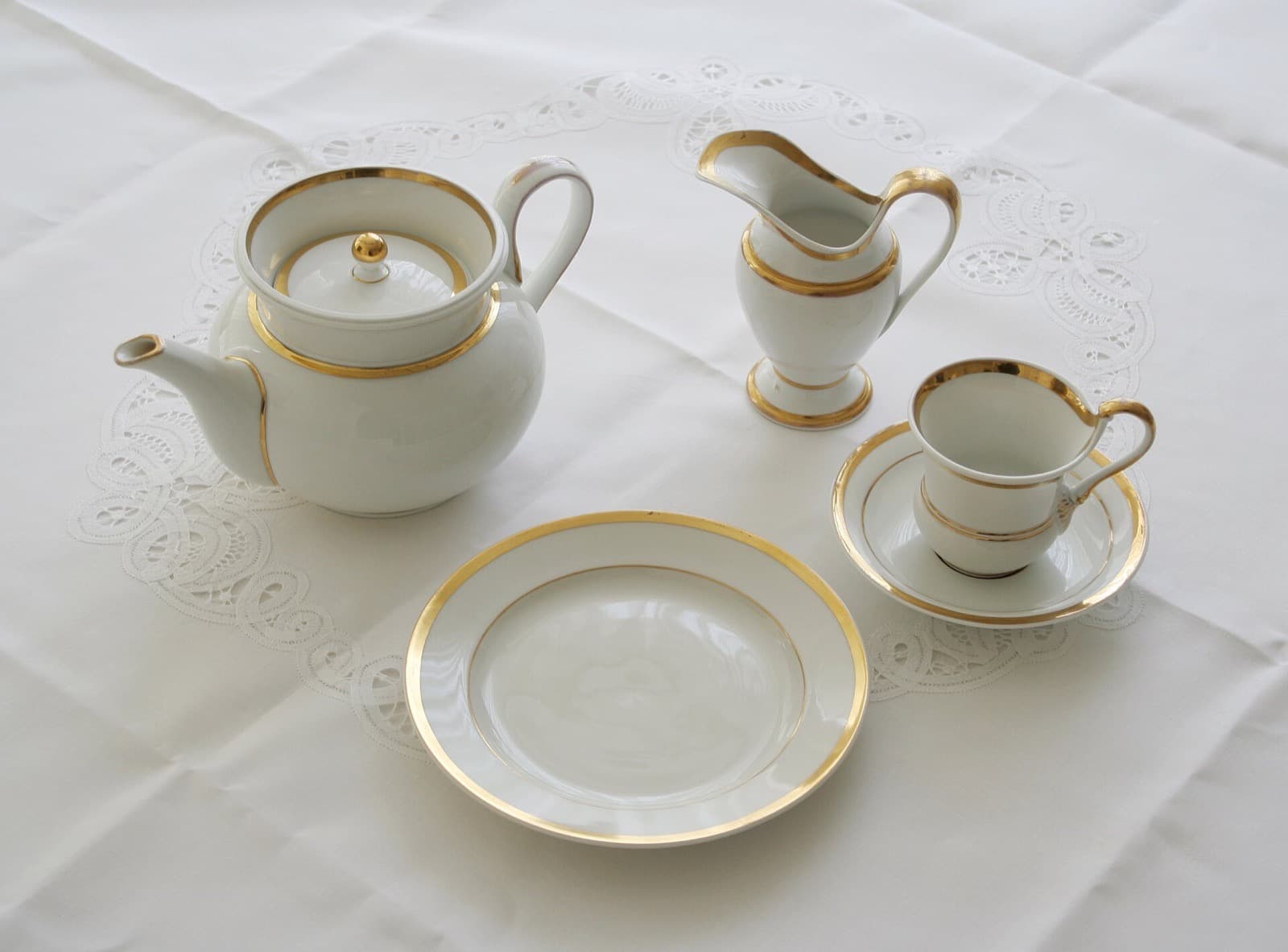
Teaware is the small collection of tools that turns loose leaves and hot water into a good cup of tea — the kettle that heats the water, the vessel that holds the leaves while they steep, and the cup you drink from. That is genuinely all you need to start.
It is easy to feel like tea demands a shelf of specialized gear, but most of it is optional. This guide walks through every major category of teaware, explains what each piece actually does, and tells you honestly what to buy first and what can wait. Whether you are brewing a mug of green tea in the morning or setting up for a slow gongfu session, the right teaware makes the process calmer and the tea taste better.
Think of this page as the hub. Each category links out to a deeper guide if you want to go further.
Quick answer
- ✓You can make excellent tea with just a kettle, one steeping vessel, and a cup.
- ✓A variable-temperature kettle is the single upgrade that improves the most cups.
- ✓Match the vessel to how you brew: mug + infuser for daily tea, teapot for sharing, gaiwan for tasting.
- ✓Unglazed clay (Yixing) absorbs flavor and suits one tea type; glass and porcelain stay neutral for everything.
The three pieces of teaware that actually matter
Before the catalog, here is the short version. Nearly every cup of tea comes down to three jobs, and one piece of teaware handles each:
- Heat the water — a kettle, ideally one you can set to a specific temperature.
- Hold the leaves while they steep — a teapot, a gaiwan, a mug with an infuser, or even a simple tea bag.
- Drink — a cup or mug.
Everything else on this page is refinement. A strainer catches stray leaves, a fairness pitcher evens out a shared pot, a tea tray manages spills during gongfu brewing. Useful, but not required. If you own a kettle, one steeping vessel, and a cup, you have a complete tea setup. Start there, then add pieces only when a specific frustration tells you to — leaves in your cup, tea that is too bitter, no easy way to share a pot with a friend.
Tea & gear for this guide
Hand-matched Amazon picks with strong owner ratings. As an Amazon Associate, Tea & Peace earns from qualifying purchases.
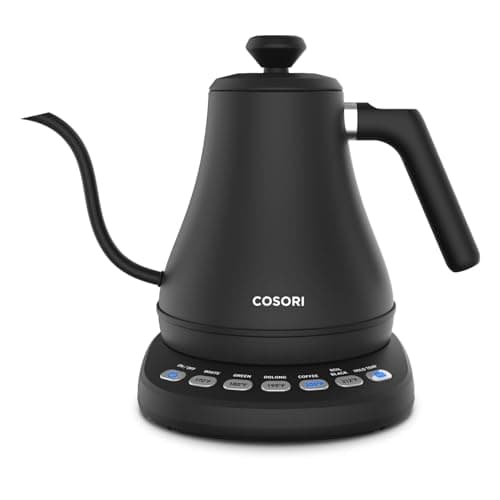
Cosori Gooseneck Electric Kettle with Temperature Control, 0.8L, Black
Temperature-control gooseneck kettle for precise steeping — 4.7★ across 19,411 ratings.
Shop Now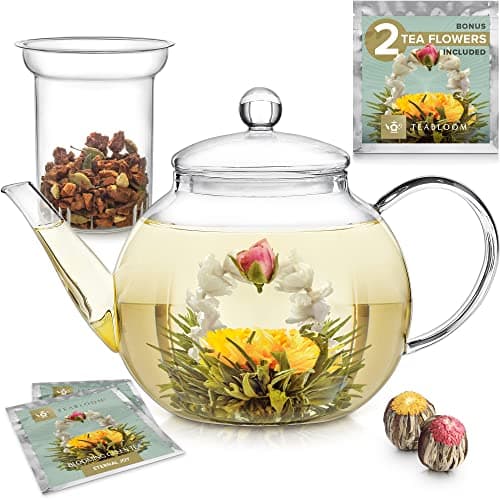
Teabloom Stovetop & Microwave Safe Glass Teapot with Removable Loose Tea
Borosilicate glass teapot with a removable infuser — 4.6★ across 26,185 ratings.
Shop Now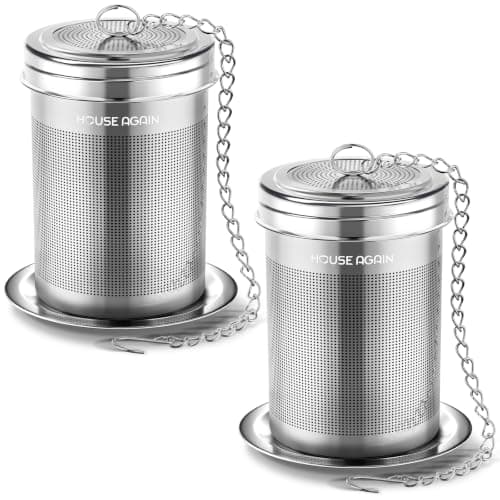
HOUSE AGAIN Tea Infuser, Extra Fine Mesh Tea Infusers for Loose Tea, 18/8
Fine-mesh stainless infuser for any loose tea — 4.6★ across 26,441 ratings.
Shop NowProduct prices and availability are accurate as of September 14, 2026 and are subject to change. Any price and availability information displayed on Amazon at the time of purchase will apply.
Kettles: heating water the right way
The kettle is the piece of teaware that changes the most cups, because water temperature matters more than almost anything else. Delicate green and white teas turn bitter when brewed with boiling water; black tea and pu-erh want a full rolling boil. A variable-temperature electric kettle lets you dial in the right heat instead of guessing.
| Kettle type | Best for | Trade-off |
|---|---|---|
| Stovetop (whistling) | Simplicity, tradition, one temperature (boiling) | No temperature control |
| Electric variable-temp | Green, white, oolong — anyone who brews more than one tea | Costs more, needs an outlet |
| Gooseneck | Precise, slow pouring for pour-over and gongfu | Slower to fill a big pot |
If you drink only black or herbal tea, a basic stovetop kettle is fine. If you brew green tea and it keeps coming out harsh, a temperature-controlled kettle is the fix. See our full picks in the best tea kettle guide, or the best gooseneck kettle roundup if you want pouring precision. When the inside starts to scale up, our how to clean a tea kettle guide covers descaling.
Teapots: for brewing and sharing
A teapot brews enough for more than one cup and makes serving easy. The material matters as much as the shape:
- Porcelain and ceramic — neutral, holds heat well, works for any tea. The safe all-rounder.
- Glass — neutral and lets you watch the leaves and color unfurl; lovely for blooming teas and herbals.
- Cast iron (tetsubin) — retains heat for a long time; best for robust black teas. Heavy and needs careful drying.
- Yixing clay — unglazed, porous, and seasons over time. It absorbs the character of the tea, so you dedicate one pot to one tea type (all oolong, or all pu-erh).
For most people, a porcelain or glass teapot with a built-in strainer is the ideal first teapot. Our best teapot guide breaks down sizes and materials by the kind of tea you drink, and if you are drawn specifically to Chinese brewing, a chinese tea set bundles a small pot with matching cups.
Gaiwans: the tasting vessel
A gaiwan is a lidded bowl — a cup, a lid, and often a saucer — used across China to brew tea leaf by leaf, infusion by infusion. It looks simple, and it is, but it is the most versatile brewing vessel there is. Because the porcelain is neutral and easy to rinse, one gaiwan can brew green tea in the morning and oolong in the afternoon without carrying over flavor.
The gaiwan shines in gongfu-style brewing: small vessel, lots of leaf, short repeated steeps that let you taste how a tea changes across five or six infusions. The lid doubles as a strainer, holding the leaves back as you pour. There is a small learning curve — the rim gets hot — but it is worth it. Our gaiwan guide walks through holding and pouring one without burning your fingers, and the chinese tea ceremony page shows where it fits in a full session.
Infusers, strainers, and tea bags
If you brew in a mug, you need a way to keep leaves out of your drink. This is the most crowded and confusing corner of teaware, so here is the honest ranking:
- Basket infuser — a fine-mesh basket that sits in your mug or teapot and gives leaves room to expand. The best everyday choice, and what we recommend most often.
- Ball or 'tea egg' infuser — the classic pinch-shut sphere. It cramps the leaves, so tea comes out weaker. Fine in a pinch, not ideal.
- Silicone novelty infusers — cute shapes; usually too small and hard to clean. Skip.
- Fine-mesh strainer — you brew leaves loose in the pot, then pour through the strainer. Gives the fullest flavor because nothing restricts the leaves.
Room to move is the whole point: cramped leaves brew weak, thin tea. Our best tea infuser guide compares specific baskets, and if you are new to unbagged tea, the loose leaf tea primer explains why the leaves are worth the small extra step.
Cold-brew and iced-tea teaware
Not all tea is hot. Cold brewing — steeping leaves in cold water in the fridge for several hours — makes an exceptionally smooth, low-bitterness tea, and it needs almost no special gear. A jar with a lid works. A dedicated cold-brew pitcher with a built-in filter basket just makes it tidier: add leaves, add cold water, refrigerate, then lift the basket out.
This is one of the easiest ways into tea, and it is the heart of what we do at Tea & Peace. If you want to try it, our homepage is the cold-brew hub, and the pieces of teaware involved are minimal — one good pitcher and you are set. Iced tea brewed hot then chilled needs nothing beyond your normal kettle and a sturdy heatproof pitcher.
What to buy first (a simple sequence)
You do not need to buy teaware all at once. Here is a sane order that adds pieces only as your tea habit grows:
- A kettle. Variable-temperature if your budget allows; a plain stovetop if not.
- One steeping vessel. A mug with a good basket infuser is the most flexible starting point.
- A cup you like drinking from. Genuinely — the right cup makes the ritual feel better.
- A teapot, when you start wanting to share or brew more than one cup.
- A gaiwan, when you get curious about tasting a single tea across many short steeps.
- Specialized clay, last, once you know which single tea you love enough to dedicate a pot to it.
Buying in this order means every piece earns its place. You avoid the common trap of a drawer full of gadgets and still no better tea. Quality over quantity — a few good pieces you reach for daily beat a shelf of things you do not.
Caring for your teaware so it lasts
Good teaware rewards a little upkeep. A few habits keep everything working and tasting clean:
- Rinse, do not scrub with soap for unglazed clay like Yixing — soap ruins the seasoning. Hot water and a soft cloth are enough.
- Descale kettles every few weeks in hard-water areas; mineral scale slows heating and can flavor the water. See how to clean a tea kettle.
- Dry cast iron thoroughly after every use to prevent rust; never leave water sitting in a tetsubin.
- Air-dry gaiwans and porcelain upside down so no stale water lingers.
- Store lids off or loosely so nothing traps moisture and turns musty.
None of this is fussy once it becomes routine. Teaware is meant to be used daily, and a piece you care for a little will outlast a dozen you neglect.
From our testing notes
A quick reference for water temperature by tea type, which drives most teaware decisions: green ~160-175°F (70-80°C), white ~175-185°F, oolong ~185-205°F, black and pu-erh 205-212°F (a full boil), herbal 212°F. This single table is why a variable-temperature kettle earns its place faster than any other upgrade.
Sources & further reading
Frequently asked questions
What teaware do I actually need to start drinking loose leaf tea?
A kettle, one steeping vessel, and a cup. A mug with a basket tea infuser is the most flexible first vessel because it works for any loose tea. Everything else is optional and can be added later as specific needs come up.
Is a variable-temperature kettle worth it?
If you drink green, white, or oolong tea, yes — it is the single upgrade that improves the most cups. Those teas turn bitter with boiling water, and a temperature-controlled kettle removes the guesswork. If you only drink black or herbal tea, a plain boiling kettle is fine.
What is the difference between a gaiwan and a teapot?
A teapot is a closed vessel with a spout, made for brewing a larger volume to share. A gaiwan is an open lidded bowl for brewing small amounts of one tea across many short infusions, and its neutral porcelain lets you switch teas freely. See our gaiwan guide for how to use one.
Why does my loose tea taste weak even though I used plenty of leaves?
Usually the infuser is too small. Ball-shaped infusers cramp the leaves so they can't expand and release flavor. Switch to a roomy basket infuser or brew loose and pour through a strainer, and the same leaves will taste noticeably stronger.
Is Yixing clay teaware worth buying?
It is a lovely specialist piece, not a first purchase. Because unglazed clay absorbs flavor, you dedicate one pot to one tea type — all oolong or all pu-erh. Buy it once you know which tea you love enough to commit a pot to. Until then, neutral porcelain or glass is more versatile.
Can I use the same teaware for different types of tea?
With neutral materials, yes. Glass, porcelain, and ceramic don't hold onto flavor, so one teapot or gaiwan can brew green, black, and herbal teas as long as you rinse between them. Only porous unglazed clay needs to be dedicated to a single tea type.
How do I keep my teaware clean without ruining it?
Rinse most pieces with hot water and air-dry them. Avoid soap on unglazed clay, dry cast iron completely to prevent rust, and descale your kettle regularly if you have hard water — our how to clean a tea kettle guide covers that step by step.