

Iced tea is the quietest luxury in a hot afternoon: a tall glass, a little clink of ice, and a drink that tastes cleaner and cheaper than anything you'd buy in a bottle. It is also one of the most forgiving things you can make in a kitchen. There is no espresso machine to babysit, no crema to chase — just tea, water, and time.
This page is the hub for everything we cover about the drink. Whether you want the fastest possible glass, a jug that lasts all week, or a specific style like Thai or unsweetened, you'll find the path here. We'll start with the three core methods, then branch into the recipes and gear that make each one better.
If you only remember one thing: good iced tea is mostly about brewing cooler or slower than you would for a hot cup, so the tea never turns harsh over ice. Everything below is a variation on that idea.
Quick answer
- ✓Three core methods make iced tea: hot-brew-then-chill (fast), cold brew (smoothest), and sun tea (charming but riskier).
- ✓Cold brewing pulls less tannin, so the tea tastes sweeter and never gets bitter or cloudy.
- ✓Almost any tea works iced — black and green are classic, but oolong, hibiscus, and herbal blends shine too.
- ✓Sweeten while the tea is warm, or use simple syrup, so sugar actually dissolves.
The three ways to make iced tea
Every glass of iced tea comes from one of three approaches, and choosing the right one for your day is half the skill.
- Hot-brew, then chill. Brew a strong concentrate with hot water, then pour it over a full glass of ice. Fast (ready in minutes) and reliable, but you have to brew double strength so the melting ice doesn't water it down. This is the method behind most restaurant tea.
- Cold brew. Steep tea in cold or room-temperature water in the fridge for 6–12 hours. It extracts far less tannin and caffeine, so the result is remarkably smooth and naturally sweeter. No cloudiness, no bitterness, almost no effort — you just have to plan ahead. Our full walkthrough lives on our cold brew tea hub.
- Sun tea. Steep tea in a jar left in sunlight for a few hours. It's nostalgic and needs no electricity, but the warm-not-hot water sits in a food-safety gray zone, so it's the method we recommend least.
If you want the definitive, step-by-step version of all three, our how to make iced tea guide covers each with exact ratios and timing.
Tea & gear for this guide
Hand-matched Amazon picks with strong owner ratings. As an Amazon Associate, Tea & Peace earns from qualifying purchases.
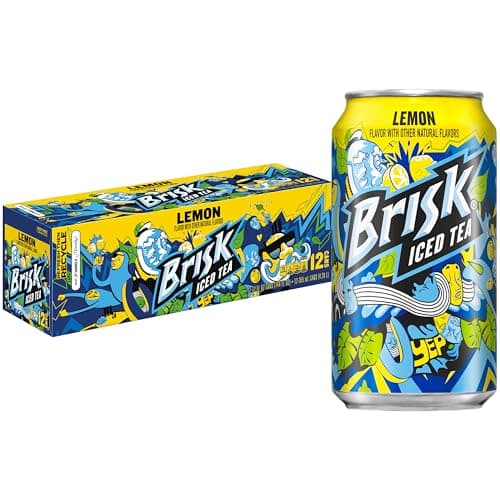
Brisk Lemon Iced Tea, 12 Fl Oz Cans (Pack of 12)
Iced-tea bags built for the pitcher — 4.7★ across 6,520 ratings.
Shop Now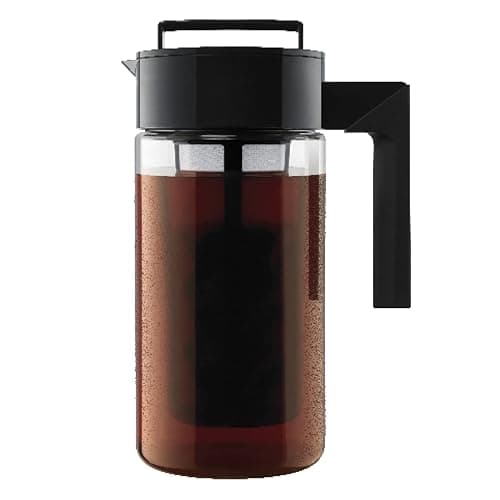
Takeya Deluxe Cold Brew Coffee Maker - BPA-Free Tritan Pitcher with
Airtight brewing pitcher — doubles for cold-brew tea — 4.6★ across 67,470 ratings.
Shop Now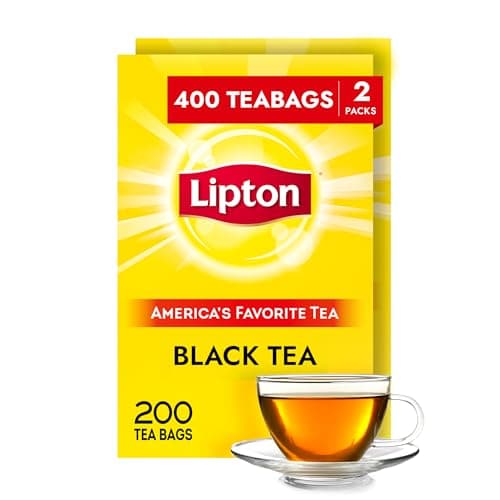
Black Tea Bags, Hot or Iced, Black tea with Caffeine, 400 Total Bags
Iced-tea bags built for the pitcher — 4.8★ across 4,718 ratings.
Shop NowProduct prices and availability are accurate as of September 14, 2026 and are subject to change. Any price and availability information displayed on Amazon at the time of purchase will apply.
Which teas make the best iced tea
Almost any tea can be iced, but they don't all behave the same over ice. Here's a quick map of the popular choices and what to expect.
| Tea | Flavor iced | Caffeine | Best method |
|---|---|---|---|
| Black tea | Bold, malty, brisk | High | Hot-brew or cold brew |
| Green tea | Grassy, light, clean | Medium | Cold brew (avoids bitterness) |
| Oolong | Floral, layered | Medium | Cold brew |
| Hibiscus | Tart, ruby, fruity | None | Either |
| Herbal / rooibos | Varies, caffeine-free | None | Either |
Black tea is the American classic and the base for iced black tea and sweet tea. Green makes the lightest, most refreshing glass — see iced green tea. For caffeine-free options, hibiscus and herbal blends chill beautifully and keep their color.
Sweetened, unsweetened, and everything between
The great divide in iced tea is sugar. In much of the American South, "tea" means sweet tea — brewed strong and sweetened while hot so the sugar fully dissolves. Elsewhere, "iced tea" often arrives unsweetened, with sugar and lemon left to the drinker.
The practical rule: sugar dissolves in hot liquid, not cold. If you stir sugar into an already-chilled glass, most of it settles at the bottom in a gritty layer. To sweeten cold tea cleanly, use simple syrup (equal parts sugar and water, heated until clear) — it blends instantly.
If you're cutting sugar entirely, a well-brewed glass of unsweetened iced tea is genuinely delicious on its own, especially cold-brewed, where the tea's natural sweetness comes forward. For the full breakdown of how Southern sweet tea differs from plain iced tea, see sweet tea vs iced tea.
Why iced tea goes cloudy (and how to stop it)
Cloudy iced tea is the single most common complaint, and it's harmless — but it looks less appetizing than a clear amber glass. The cloudiness comes from tannins and caffeine bonding as the tea cools rapidly, forming tiny particles that scatter light.
To keep tea clear:
- Let hot-brewed tea cool to room temperature before refrigerating. Shocking hot tea straight into cold triggers the haze.
- Don't over-steep. More tannin means more haze.
- Use filtered water. Hard water minerals make it worse.
- Add a splash of boiling water to a cloudy pitcher — it can re-dissolve the haze.
Or sidestep the problem entirely: cold-brewed tea almost never clouds, because the low temperature never extracts enough tannin to bond in the first place. It's one more reason cold brew has quietly become our house method.
Ratios, ice, and getting the strength right
The most common mistake with iced tea is weak, watery flavor — and the culprit is almost always melting ice diluting a tea that was already too light.
When you brew hot and pour over ice, brew at double strength. A good starting point is one tea bag (or one heaping teaspoon of loose leaf) per 4 ounces of water for the concentrate, then pour over a glass packed with ice. As the ice melts, it dilutes the concentrate to roughly normal strength.
For a full pitcher, a reliable ratio is 6–8 tea bags per 2 quarts (64 oz) of water, adjusted to taste. Cold brew uses a similar or slightly more generous ratio because cold water extracts less. Big ice cubes melt slower than crushed ice, so they dilute less — worth remembering if you like to sip slowly. For gear that makes brewing a full jug painless, see our best iced tea maker picks.
A world of iced tea styles
Iced tea isn't one drink — it's a family. A few worth knowing:
- Sweet tea — the strong, sugary Southern American staple, brewed hot and sweetened warm.
- Thai iced tea — spiced black tea with condensed milk, poured over ice into a striking orange layered drink.
- Arnold Palmer — half iced tea, half lemonade, named for the golfer who ordered it.
- Iced matcha — whisked green tea powder over ice and milk or water, frothy and vivid.
- Bubble (boba) tea — iced milk tea with chewy tapioca pearls.
- Moroccan-style mint — green tea with fresh mint, sometimes served cold in summer.
Each starts from the same simple foundation — tea plus cold — and adds one memorable twist. Once you're comfortable with the basics, these are fun weekend projects.
Storing iced tea so it stays fresh
Freshly made iced tea is best within a day or two, but it keeps reasonably well. Store it covered, in the fridge, for up to 3–4 days. After that, flavor flattens and, in sweetened tea, the sugar can begin to support bacterial growth.
A few storage habits that help:
- Keep it in a sealed pitcher or bottle, not an open jug — tea readily absorbs fridge odors.
- Don't leave brewed tea at room temperature for more than a couple of hours; this is exactly the risk that makes sun tea dicey.
- Freeze leftover tea into ice cubes to chill future glasses without watering them down — a small trick that punches above its weight.
If you notice a thick or ropy texture, sourness, or an off smell, pour it out. Fresh tea is cheap; a rough afternoon isn't worth it.
Where to go next
This hub is a map, not the whole territory. Depending on what you're after, here's where to dive deeper:
- Want a method walkthrough? Start with how to make iced tea.
- Watching sugar? Try unsweetened iced tea.
- Craving something specific? We have full recipes for iced green tea, iced black tea, and thai iced tea.
- Making it by the gallon? See the best iced tea maker roundup.
- Curious about the smoothest possible glass? Everything about cold brew tea — our house obsession — lives on the homepage hub.
Wherever you start, the core idea holds: gentle brewing, good water, and a little patience turn a few cents of tea into the best cold drink in the house.
Which Iced Tea Method Should You Use?
Three methods dominate, and they trade off speed against smoothness:
| Method | Time | Effort | Result |
|---|---|---|---|
| Hot brew over ice | 5 min | Low | Fast, bright, slight risk of cloudiness |
| Refrigerator cold brew | 6–12 h | Lowest | Smoothest, sweetest, no bitterness |
| Flash chill (concentrate + ice) | 5 min | Medium | Full-flavored, clear, no dilution |
| Sun tea | 3–4 h | Low | Traditional, but food-safety caveats |
Our default is cold brew for flavor and hot-brew-over-ice when we forgot to plan ahead. Sun tea is the one we'd steer people away from: warm water sitting for hours is a poor environment from a food-safety standpoint, and the flavor advantage over refrigerator brewing is nil.
From our testing notes
In side-by-side tests, a hot-brewed black tea poured over ice reaches drinkable temperature in under two minutes but needs to be brewed at roughly double strength to survive the dilution; the same tea cold-brewed for 10 hours comes out clearer and noticeably less astringent, with no need to over-brew. The tradeoff is purely time versus smoothness.
Sources & further reading
Frequently asked questions
What is the best tea for making iced tea?
Black tea (like an orange pekoe or Ceylon) is the classic all-rounder — bold enough to stand up to ice and sweetener. For a lighter glass, green tea and oolong are excellent, especially cold-brewed. Caffeine-free drinkers should try hibiscus or rooibos, which keep both color and flavor over ice.
How do I keep my iced tea from getting cloudy?
Let hot-brewed tea cool to room temperature before refrigerating, avoid over-steeping, and use filtered water. Cloudiness comes from tannins and caffeine bonding when tea cools too fast. The surest fix is to cold brew instead, which barely clouds at all. A splash of boiling water can also clear an already-cloudy pitcher.
Is iced tea healthy?
Unsweetened iced tea is a low-calorie, hydrating drink that contains the same plant compounds as hot tea. Sweetened versions, especially Southern sweet tea, can carry a lot of added sugar, so those are more of a treat. Tea is a beverage, not a treatment — if you have specific health questions, talk to a doctor or dietitian.
How long does homemade iced tea last?
Covered and refrigerated, iced tea keeps about 3–4 days before the flavor fades. Sweetened tea can spoil a little faster because sugar feeds bacteria. Don't leave brewed tea at room temperature for more than a couple of hours, and discard any that smells sour or turns ropy.
Can I make iced tea from any hot tea?
Yes. Any tea you enjoy hot can be iced. The main adjustment is strength: if you're brewing hot and pouring over ice, brew about double strength so melting ice doesn't leave it watery. Delicate green teas are the exception — they taste best cold-brewed, which avoids the bitterness a hot brew can develop over ice.
Should I sweeten iced tea hot or cold?
Sweeten while the tea is still warm, or use simple syrup. Sugar dissolves readily in hot liquid but sinks to the bottom of a cold glass in a gritty layer. Simple syrup (equal parts sugar and water, heated until clear) mixes instantly into cold tea and is the bartender's trick for even sweetness.
What's the difference between iced tea and sweet tea?
Sweet tea is a specific kind of iced tea from the American South: brewed strong and sweetened generously while still hot so the sugar fully dissolves. "Iced tea" is the broader category and is often served unsweetened, with sugar added to taste. We break the two down in detail in our sweet tea vs iced tea comparison.
Do I need special equipment to make iced tea?
Not at all — a pot, tea bags, and a pitcher will do. But if you make it often, a dedicated pitcher with a fine filter or an iced tea maker saves time and keeps leaves out of your glass. See our best iced tea maker guide for options at every price.