
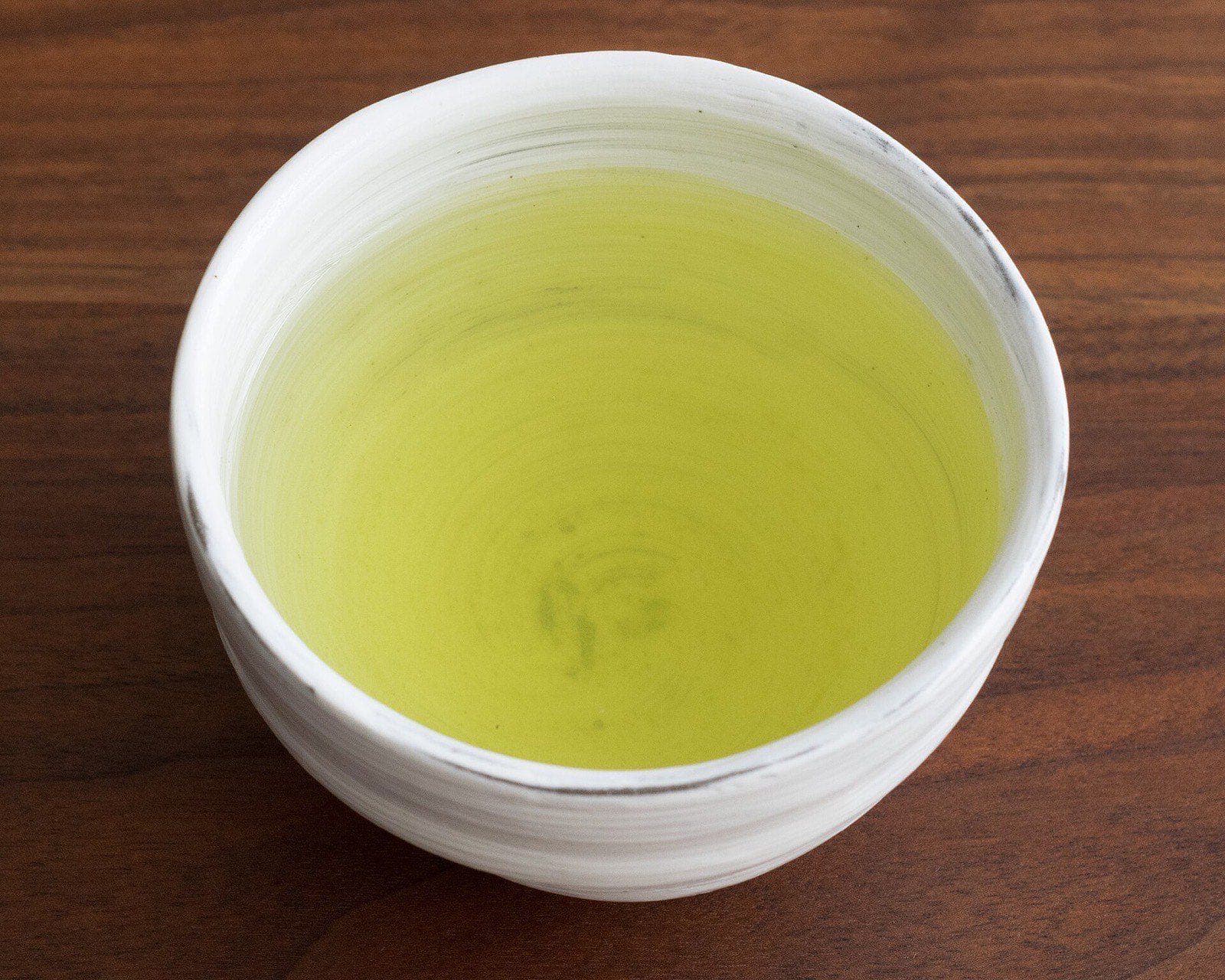
If you have ever wondered how to brew green tea that comes out sweet and smooth instead of bitter and astringent, the fix almost always comes down to one thing you are probably doing without thinking: pouring water that is far too hot.
Green tea is the most heat-sensitive of all the true teas. Its leaves are barely oxidized, which keeps them fresh and grassy — but also fragile. Hit them with boiling water and you scorch the delicate compounds, releasing a rush of bitter tannins and killing the natural sweetness.
The good news: fixing it takes no special skill and no expensive gear. Cooler water, a shorter steep, and a little attention are all it takes to turn a harsh cup into a clean, mellow, faintly sweet one.
Quick answer
- ✓Never use boiling water on green tea — aim for 160–180°F.
- ✓Steep briefly: 1–2 minutes for most greens, up to 3 for gentler ones.
- ✓Bitterness = too hot or too long, almost every time.
- ✓Cool your kettle by resting it 1–2 minutes off the boil, or add a splash of cold water.
- ✓Good green leaves can be re-steeped two or three times.
Why green tea turns bitter (and boiling water is the culprit)
Green tea's flavor is a balance between sweet, savory amino acids (like L-theanine) and bitter, drying compounds (catechins and tannins). At lower temperatures, the sweet and savory notes come out first and the bitter ones stay mostly locked in the leaf. Crank the heat to a rolling boil, though, and you extract those bitter compounds fast and aggressively — which is exactly what happens when you pour straight from a screaming kettle.
That's the whole secret. The people whose green tea tastes smooth aren't using a magic leaf; they're just using cooler water. A boiling cup and a properly cooled cup made from the same tea can taste like two different drinks — one harsh and drying, the other clean and slightly sweet. Once you internalize that green tea wants gentle heat, the rest is easy. If you brew several types of tea, the full tea water temperature chart puts green tea's number next to everything else's.
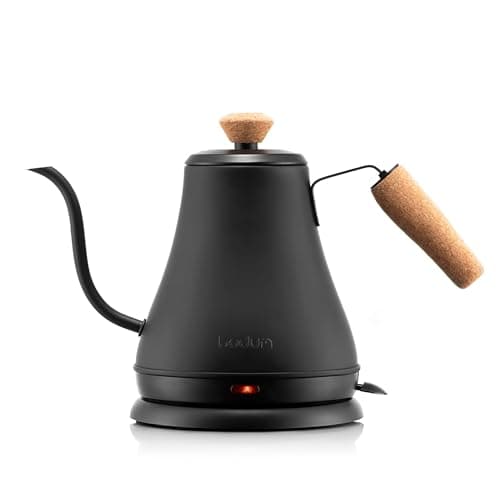
Bodum 27oz Bistro Gooseneck Electric Water Kettle, Pour Over
A top-rated pick our readers reach for.
Shop Now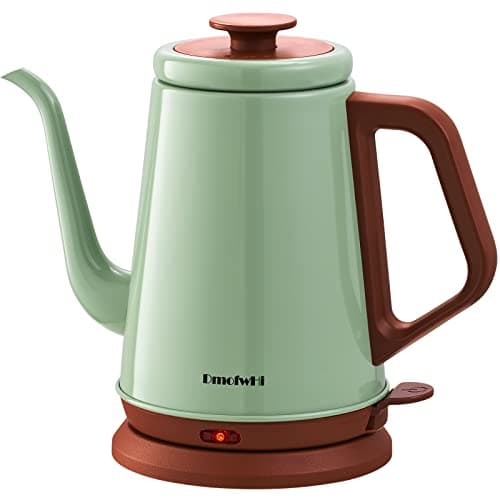
DmofwHi Gooseneck Electric Kettle(1.0L), 100% Stainless Steel
A top-rated pick our readers reach for.
Shop NowProduct prices and availability are accurate as of September 14, 2026 and are subject to change. Any price and availability information displayed on Amazon at the time of purchase will apply.
The right temperature: 160–180°F, not boiling
Aim for water between 160°F and 180°F. Japanese steamed greens like sencha and gyokuro prefer the cooler end (roughly 160–170°F); Chinese pan-fired greens like Dragon Well are happy a touch warmer (around 175–180°F). Boiling water — 212°F — is always too hot.
No thermometer? Use one of these tricks:
- Rest the kettle. Boil, then let it sit uncovered for about 2 minutes. It'll drop into the right range.
- Add cold water. Pour a bit of boiling water into your cup, then top with a splash of cold — roughly 20% cold to 80% hot.
- The two-vessel pour. Pour boiling water into one cup, then into another, then over the leaves; each transfer sheds heat.
A variable-temperature electric kettle makes this effortless, but none of these methods require one. The point is simply: don't let boiling water touch the leaf.
Step-by-step: a smooth cup every time
Here's the reliable method, start to finish:
- Measure the leaf. About 1 teaspoon of loose green tea (or one bag) per 8-ounce cup. A little more leaf plus cooler water is a smoother combination than less leaf brewed hot.
- Heat and cool the water. Bring fresh water to a boil, then cool it to 160–180°F using one of the tricks above.
- Add water to the leaves. Pour gently over the leaves in an infuser, basket, or pot.
- Steep briefly. Just 1–2 minutes for most greens. Set a timer — green tea over-steeps quickly.
- Strain right away. Remove the leaves the moment the time's up so it can't keep getting stronger.
- Taste. It should be clean and mellow. If it's still sharp, go cooler or shorter next time, not longer.
That's it. Six steps, no ceremony required. For the fundamentals across every type, see how to make tea.
Steep time and re-steeping good leaves
Time matters almost as much as temperature. Most green teas are fully brewed in 60 to 120 seconds. Gentle, sweet greens can go to about 3 minutes, but that's usually the ceiling before bitterness creeps in. When in doubt, brew short and taste — you can always steep the next infusion a little longer, but you can't un-bitter a cup.
Quality loose green leaves are worth re-steeping. After the first short infusion, add fresh hot-but-cooled water and steep again, adding maybe 30 seconds. A good sencha or Dragon Well will give you two or three cups, and many people find the second steep the sweetest. This is one of the real advantages of loose leaf tea over bags, whose broken leaves give everything up in one go.
The cold option: no bitterness at all
If you want the most foolproof, absolutely-never-bitter green tea, skip hot water entirely and cold brew it. Because cold water simply can't extract the bitter tannins, cold-brewed green tea comes out remarkably sweet and smooth — no temperature-watching, no timer anxiety.
The method couldn't be simpler: put green tea leaves in cold water, refrigerate for several hours, and strain. That's the entire technique, and it's spelled out on our cold brew tea homepage. It's my go-to recommendation for anyone who's convinced they "just don't like green tea" — nine times out of ten, they only ever had it brewed too hot. In summer especially, a jug of cold-brewed green in the fridge is hard to beat.
Matching the method to your green tea
Not every green tea wants exactly the same treatment. Once you've got the basics down, small adjustments by style make a real difference:
- Japanese steamed greens (sencha, gyokuro). These are the most delicate. Use the cooler end of the range — around 160–170°F — and short steeps. Gyokuro in particular is often brewed very cool (as low as 140°F) and very short to draw out its intense sweetness without any edge.
- Chinese pan-fired greens (Dragon Well, Bi Luo Chun). A touch more forgiving; 175–180°F works well. Their toasty character holds up slightly better to warmth than a marine sencha.
- Rolled greens (Gunpowder). The tightly rolled pellets brew a little slower as they unfurl, so give them the full 2–3 minutes and expect a bolder cup.
- Genmaicha (green tea with toasted rice). The most beginner-friendly green — the toasted rice softens any grassy sharpness, and it's hard to over-brew.
If you're not sure which style you have, start cool and short; you can always nudge warmer or longer on the next infusion. The full family of greens, and how each tastes, is covered in our green tea guide.
Quick fixes when your green tea still tastes off
If you've cooled the water and shortened the steep and it's still not right, run through this short checklist:
- Water still too hot? When in doubt, go cooler. It's very hard to make green tea too weak from low temperature alone.
- Old tea? Green tea is the most perishable type — it goes flat and grassy-stale within months. Buy small amounts, store it airtight and away from light, and use it fresh.
- Too much leaf, brewed hot? Dial the leaf back slightly or the temperature down.
- Hard tap water? Very hard or heavily chlorinated water dulls green tea. Filtered water noticeably improves the cup.
Green tea is a beverage, not a treatment, so brew it for pleasure rather than for any specific health outcome — and if you're watching caffeine for a medical reason, check with a professional. For the wider green-tea world (varieties, flavor, choosing), see our full green tea guide.
From our testing notes
A convincing at-home test: split one teaspoon of the same sencha between two cups, brew one at about 170°F and one straight off the boil, both for 90 seconds. Side by side, the boiled cup is darker, sharper, and drying on the tongue; the cooler cup is pale, clean, and faintly sweet. Same leaf, same time — temperature alone made the difference.
Sources & further reading
- Harvard T.H. Chan School of Public Health — The Nutrition Source: Tea (brewing temperatures and times; caffeine) (read 2026-09-10)
- UK Tea & Infusions Association — How to make a perfect brew (black 90–98°C, green ~80°C) (read 2026-09-10)
- USDA FoodData Central — Beverages, tea, green, brewed, regular (12 mg caffeine per 100 g) (read 2026-09-10)
- Green tea — Wikipedia
- L-theanine — Wikipedia
Frequently asked questions
What temperature should I brew green tea at?
Between 160°F and 180°F — never boiling. Japanese steamed greens like sencha prefer the cooler end (160–170°F); Chinese pan-fired greens like Dragon Well can take up to about 180°F. Boiling water scorches the leaf and makes the cup bitter.
How long should green tea steep?
Most green teas are done in 1–2 minutes; gentle ones can go to about 3. Green tea over-steeps quickly, so use a timer and strain right away. If it tastes sharp, brew shorter next time rather than longer.
Why is my green tea so bitter?
Nearly always because the water was too hot or it steeped too long. Cool the water to 160–180°F, keep the steep under 2 minutes, and it should come out smooth. Old or stale green tea can also taste harsh.
How do I cool boiling water for green tea without a thermometer?
Boil, then let the kettle rest uncovered for about 2 minutes; or pour boiling water into a cup and add a splash (roughly 20%) of cold water; or pour the water between two cups to shed heat. Any of these gets you into the right range.
Can I re-steep green tea leaves?
Yes, if you're using good loose leaf. After the first short infusion, add fresh cooled water and steep again, adding about 30 seconds. Quality greens give two or three cups, and the second is often the sweetest.
Is cold brew green tea less bitter than hot?
Much less. Cold water can't extract the bitter tannins, so cold-brewed green tea comes out naturally sweet and smooth with no temperature-watching. Just steep the leaves in cold water in the fridge for a few hours and strain — see our cold brew tea method.
Should I use a tea bag or loose leaf for green tea?
Both can work if brewed cool, but loose leaf tastes fuller and can be re-steeped, while bags give up everything in one cup. If you use a bag, still avoid boiling water. Our loose leaf tea guide explains the difference.
How much green tea do I use per cup?
About 1 teaspoon of loose leaf or one bag per 8-ounce cup. Slightly more leaf brewed with cooler water gives a rounder, smoother cup than less leaf brewed hot.
Does green tea have a lot of caffeine?
Green tea generally has moderate caffeine, less than a typical coffee, though the exact amount depends on the leaf and how long you steep it. Brewing cooler and shorter also extracts a little less caffeine. Tea is a beverage, not a treatment, so check with a professional if you're managing caffeine for health reasons.
Does hard or chlorinated tap water affect green tea?
Quite a bit. Green tea is delicate, so chlorine or very hard water can flatten its fresh, sweet notes and add a dull edge. Filtered water noticeably improves the cup, and it's one of the easiest upgrades if your green tea tastes muddy despite correct temperature and time.
How can I tell if my green tea is too old to brew well?
Three signals, in order of reliability. Smell the dry leaf first: fresh green tea smells vividly grassy, marine, or sweet, while stale leaf smells faintly of hay, dust, or nothing at all. Then look at the color — bright green or silvery leaf has kept better than leaf that's gone yellow-brown and dull. Finally, taste: aged green tea brews thin and papery no matter how carefully you control temperature and time, and no adjustment rescues it.
Most green tea is at its best within a year of harvest and noticeably declining by eighteen months, even sealed. This is the single biggest reason to buy smaller quantities from vendors who print a harvest date rather than only a distant best-by date — and why the same brewing method can produce a wonderful cup from one tin and a disappointing one from another.