
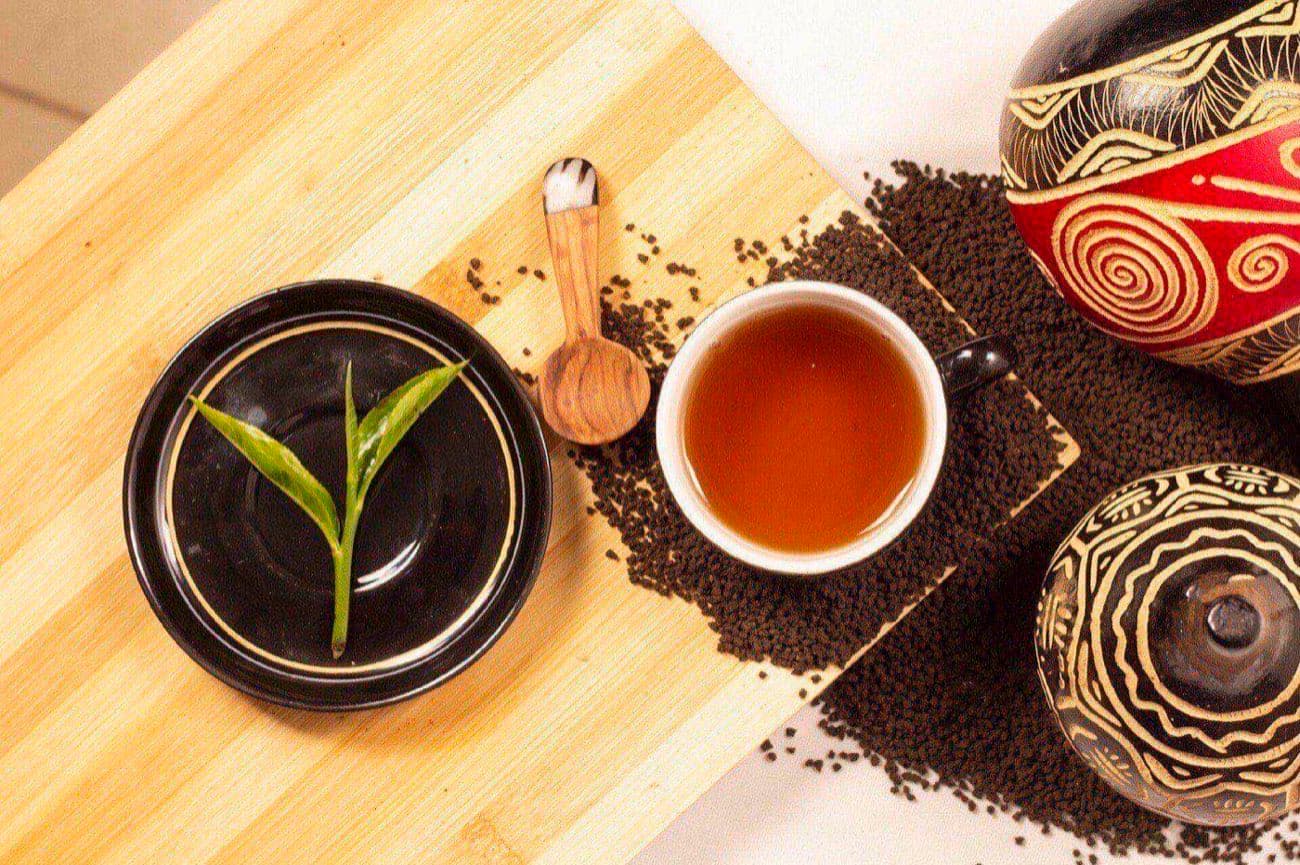
Weigh out what's inside an average tea bag and you'll find roughly 2 grams of broken leaf dust — and that difference is the whole case for loose leaf tea. Where a bag holds the smallest fragments, called fannings and dust, loose tea keeps the leaves whole or in large pieces, and that single fact changes almost everything about the cup: the flavor, the aroma, and how many times you can brew it.
Whole leaves have room to unfurl and swell as they steep, releasing their flavor gradually and completely. Broken dust dumps everything at once — fast, strong, and often bitter, with the subtle notes already lost to processing.
This guide covers why loose leaf genuinely tastes better, exactly how to brew it (it's easier than people fear), the tiny bit of gear that helps, and how to store it so it stays fresh.
Why whole leaves beat the bag
The core reason comes down to surface area and room to move. When tea is shredded into the dust that fills most bags, far more of the leaf's surface is exposed to air, so it goes stale faster and loses its delicate aromatic oils. And crammed into a small bag, the leaves can't expand, so they can't release flavor evenly.
Whole loose leaves solve both problems:
- More flavor, more nuance. Bigger leaf pieces hold onto the volatile aromatics that make good tea taste like something specific — florals, malt, umami — rather than just generically "tea."
- Room to unfurl. Given space, leaves swell to two or three times their dry size, brewing evenly instead of blasting out bitterness.
- Freshness. Less exposed surface area means loose leaf keeps longer when stored well.
- Re-steeping. Quality whole leaves give multiple infusions; bag dust is spent after one.
None of this means bags are useless — a fresh, good bag beats loose tea brewed carelessly. But for the same money, loose leaf usually gives a rounder, more interesting cup.
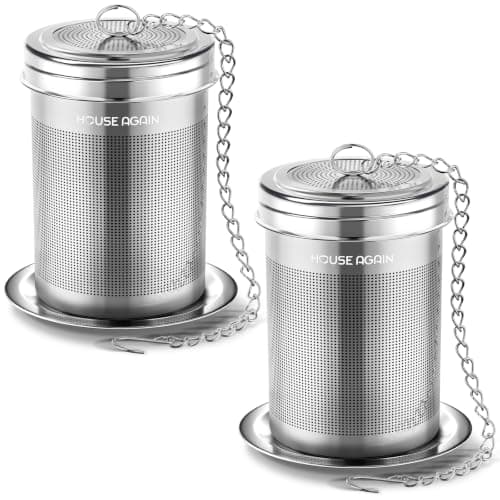
HOUSE AGAIN Tea Infuser, Extra Fine Mesh Tea Infusers for Loose
A top-rated pick our readers reach for.
Shop Now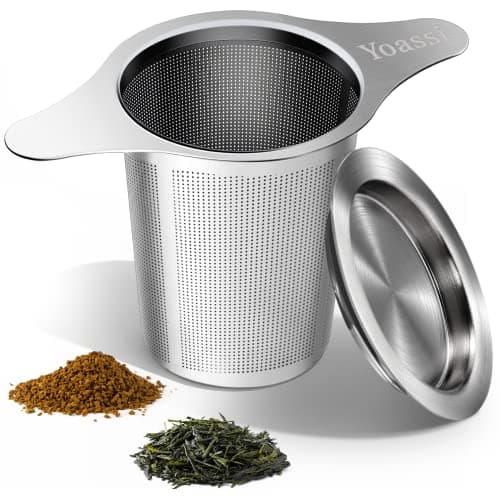
Extra Fine 18/8 Stainless Steel Tea Infuser Mesh Strainer with
A top-rated pick our readers reach for.
Shop Now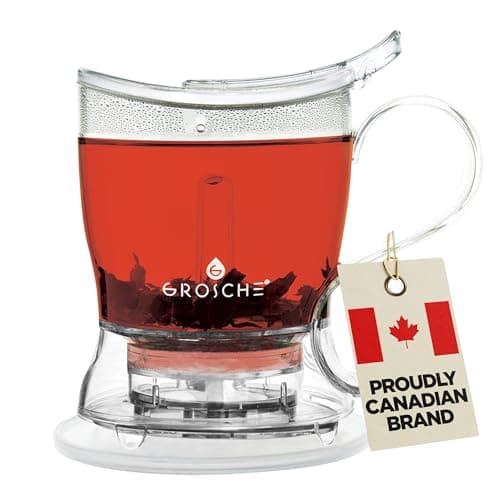
GROSCHE Aberdeen Tea Infuser Teapot & Smart Tea Maker
A top-rated pick our readers reach for.
Shop NowProduct prices and availability are accurate as of September 14, 2026 and are subject to change. Any price and availability information displayed on Amazon at the time of purchase will apply.
The one number that explains everything: leaf grades
Tea is sorted by leaf size after processing, and the grade tells you a lot about what you're getting. From largest to smallest:
- Whole leaf — the biggest, most intact pieces. Best flavor and aroma, slowest to brew, most re-steeps.
- Broken leaf — smaller pieces; brews faster and stronger, still with good character.
- Fannings — small fragments, common in mid-tier bags.
- Dust — the finest particles, common in cheap bags; brews very fast, very strong, and often bitter.
Most commodity tea bags are filled with fannings and dust, which is why they brew in 30 seconds and taste flat if you forget them. Loose leaf tends to be whole or broken leaf, which is the real, tangible reason it tastes better — not marketing, just the physical size of what's in your cup.
How to brew loose leaf tea, step by step
Brewing loose leaf is no harder than using a bag; you just need a way to separate the leaves from the water afterward. Here's the method:
- Measure. About 1 teaspoon of loose tea per 8-ounce cup (a bit more for big, fluffy leaves like white tea).
- Contain the leaves. Put them in an infuser basket, a mesh ball, or straight into a teapot you'll strain from. A roomy basket beats a tiny ball — leaves need space to expand.
- Heat the water to the right temperature for the type (green cooler, black hotter). Our how to make tea guide has a full temperature chart.
- Pour and steep for the type's time, tasting near the end.
- Lift out the leaves (or pour off the tea) so it stops brewing.
- Re-steep if it's good tea — add fresh hot water and go again, adding a little time.
That's the whole thing. The only real difference from a bag is step 2, and even a cheap infuser handles it.
The small amount of gear that helps
You don't need much — and you can start with nothing but a spoon and a fine kitchen strainer. But a couple of inexpensive tools make loose leaf effortless:
- A basket infuser that sits in your mug and gives leaves plenty of room. The single most useful purchase; see our tea infuser picks.
- A teapot with a built-in strainer, if you brew for more than one. Options in our teapot guide.
- A gooseneck or variable-temp kettle, once you're serious about controlling temperature — our gooseneck kettle roundup covers these.
- A gaiwan, the classic Chinese lidded bowl, if you want to explore short, repeated infusions — see the gaiwan guide.
Start cheap. A basket infuser and a kettle you already own are enough to taste the difference on day one.
How to store loose leaf tea so it stays fresh
Loose leaf keeps well, but only if you protect it from its four enemies: air, light, heat, and moisture. Get those right and most teas stay good for a long time.
- Airtight container. An opaque tin or a jar you keep in a cupboard. Every time air gets in, aromatics escape.
- Away from light. Sunlight fades flavor fast, which is why the best tins are opaque.
- Cool and dry. A pantry shelf, not above the stove and not in a steamy spot. Tea readily absorbs moisture and nearby smells.
- Not the fridge (for most teas). The humidity and food odors do more harm than good; only tightly sealed, unopened tea belongs there.
Rough shelf-life guidance: green and white teas are the most perishable — use within about 6–12 months. Oolong and black keep a year or two. Aged dark teas like pu-erh tea actually improve with time. Buy in amounts you'll finish while it's fresh.
Is loose leaf more expensive? Not really
It looks pricier per bag on the shelf, but per cup the math often favors loose leaf — for two reasons. First, you control the dose, so you're not paying for packaging. Second, quality loose leaf re-steeps, so a single teaspoon of good oolong or pu-erh can make three or four cups, not one.
There's also less waste: no individual bags, no strings, no staples, no wrappers. A tin of loose tea and a reusable infuser is about as low-waste as a hot drink gets. If you're brewing a mug or two a day, switching to loose leaf usually costs about the same or less over a month while noticeably improving what's in the cup — and in summer it makes an excellent cold brew tea, since whole leaves shine in the slow, cold extraction.
Measuring by feel: getting the dose right
The one habit that trips up newcomers is under-dosing. A tea bag is a fixed amount, but with loose leaf it's easy to sprinkle in a stingy pinch and end up with weak, disappointing tea — then wrongly blame the leaf.
A teaspoon is the standard starting point per 8-ounce cup, but leaves vary wildly in density, so use your eyes as well as the spoon:
- Light, fluffy leaves — big open greens, white tea, some oolongs — take up a lot of volume for their weight. Use a heaping teaspoon or more; they'll compress dramatically once wet.
- Dense, rolled, or broken leaves — gunpowder green, rolled oolong, pu-erh, most black — are heavier per spoon, so a level teaspoon is plenty.
- When in doubt, weigh. If you have a small kitchen scale, 2–3 grams per cup takes the guesswork out entirely, and you'll quickly learn what that looks like by eye.
The fix for weak tea is almost always more leaf, not a longer steep — extra time mostly extracts bitterness, while extra leaf builds body and sweetness. Dial in your dose first, then adjust temperature and time to taste. Our how to make tea guide has the full temperature-and-time chart to pair with your measured leaf.
Where to start if you're new to loose leaf
If you've only ever used bags, ease in with a forgiving, flavorful type so the upgrade is obvious:
- A good black tea — the easiest to brew and the most bag-like to transition from. See black tea.
- A rolled oolong — brew it several times and watch the leaves slowly open; it's the most rewarding "aha" tea for beginners. See oolong tea.
- A fresh green — just remember the cooler-water rule from green tea.
Buy small quantities of two or three types, get a basket infuser, and brew side by side against a bag of the same style. The difference in aroma alone usually settles the question. Tea is a beverage, not a treatment — the reason to make the switch is simply that it tastes better and turns a quick drink into a nicer few minutes.
From our testing notes
A simple side-by-side that sells the difference: brew a bag of black tea and a teaspoon of whole-leaf black tea of the same style in identical cups at the same temperature and time. The loose-leaf cup is visibly more aromatic and, crucially, still gives a decent second steep, while the bag is spent after one. Same brew parameters — the leaf size is doing all the work.
Sources & further reading
Frequently asked questions
Is loose leaf tea really better than tea bags?
Generally yes, because loose leaf uses whole or large leaf pieces that hold more flavor and aroma, while most bags contain broken fannings and dust that brew fast but taste flat. A fresh, good bag can still beat carelessly brewed loose tea, but for the same money loose leaf usually gives a rounder cup and can be re-steeped.
How do I brew loose leaf tea without a special teapot?
Use a basket infuser or mesh ball in your mug, or brew straight in a cup and pour through a fine kitchen strainer. Measure about 1 teaspoon per 8-ounce cup, use the right water temperature for the type, steep, then remove the leaves. See how to make tea for the temperature chart.
How much loose leaf tea per cup?
About 1 teaspoon (2–3 grams) per 8-ounce cup is the standard starting point. Big, fluffy leaves like white tea may need a bit more by volume; dense, rolled leaves may need slightly less. Adjust to taste.
How long does loose leaf tea last?
Stored airtight, cool, dark, and dry, green and white teas stay good for about 6–12 months, while oolong and black keep a year or two. Aged dark teas like pu-erh can improve for years. Air, light, heat, and moisture are what degrade it.
Can you re-steep loose leaf tea?
Yes — that's one of its biggest advantages. Quality whole leaves, especially oolong, green, and pu-erh, give two to four infusions. Add fresh hot water and a little more time for each successive steep.
What gear do I need to start with loose leaf tea?
Very little. A basket infuser (or even a kitchen strainer) and a kettle you already own are enough to begin. A variable-temperature kettle and a proper teapot are nice upgrades later — see our tea infuser and teapot guides.
Should I store loose leaf tea in the fridge?
Usually no. Refrigerators are humid and full of food odors, both of which tea readily absorbs. Keep tea in an airtight, opaque container in a cool, dark cupboard instead. Only tightly sealed, unopened tea belongs in cold storage.
Is loose leaf tea cheaper than tea bags in the long run?
Per cup, usually yes — often dramatically so, because you're not paying for packaging and portioning. A good loose tea at $15 for 100 grams makes roughly 40 cups, under 40 cents each, and quality leaf resteeps two to four times, which cuts the real cost further. Premium single-origin teas can of course cost more than supermarket bags. But comparing like for like, loose leaf delivers noticeably better tea at a lower cost per cup.