
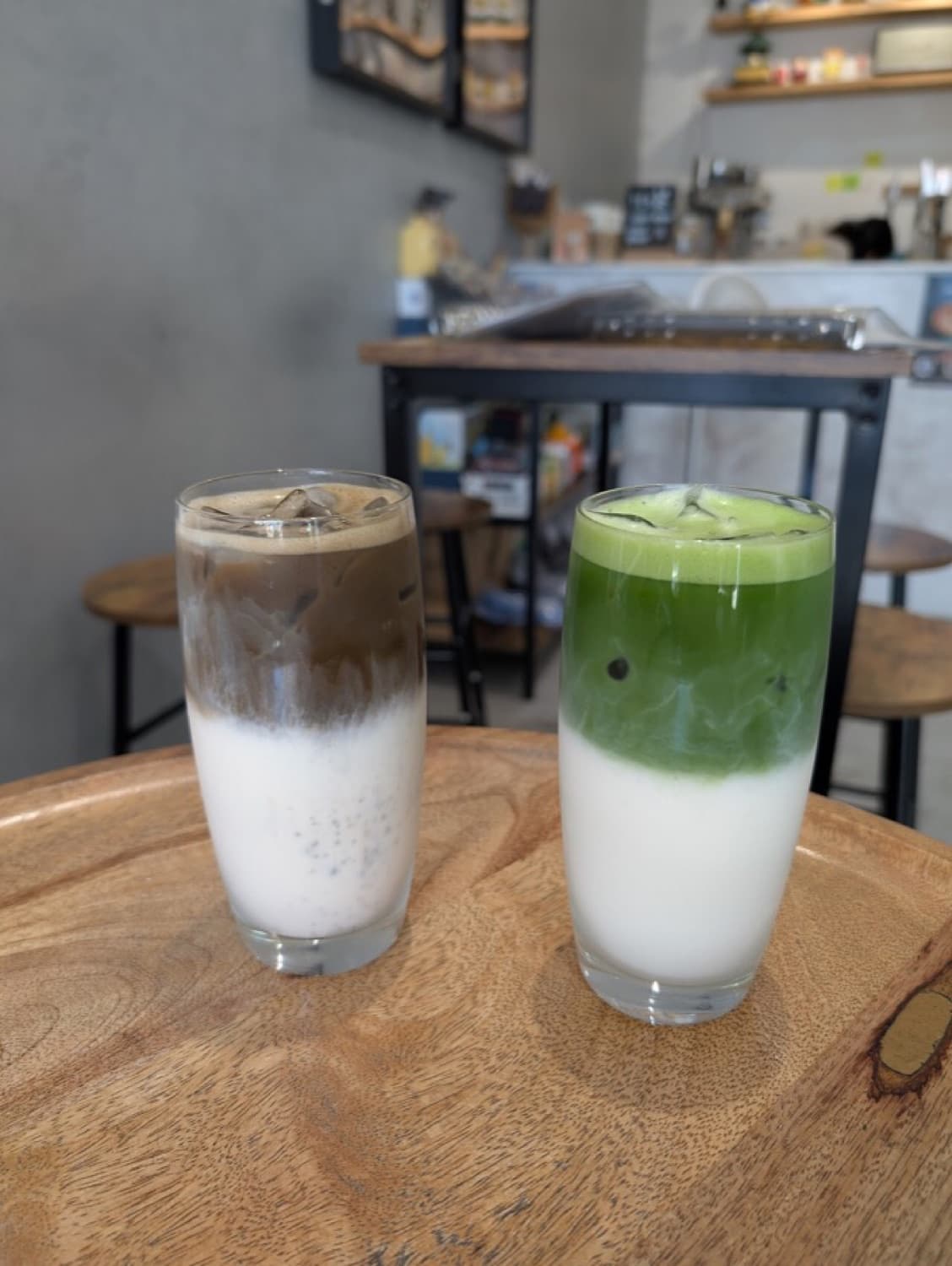
Pour a glass of cold brew iced tea on a hot afternoon and the first thing you notice is what's missing: no harsh bite, no cloudy haze, no need to drown it in sugar. Cold brew iced tea skips boiling water entirely. Instead of forcing flavor out of the leaves with heat, you let cool water coax it out slowly over several hours in the fridge.
The result is a rounder, sweeter, more forgiving glass than the pitcher of over-steeped, watered-down tea most of us grew up with. It's almost impossible to get wrong, it wastes nothing, and it costs the same tea you already keep in the cupboard.
This is your complete recipe: the ratio, the timing, the best teas to use, and the small tricks that keep every batch crystal clear.
Quick answer
- ✓Use about 1 tablespoon loose tea (or 1 tea bag) per 8–10 oz of cold water.
- ✓Steep in the fridge 6–12 hours, then strain — no boiling water needed.
- ✓Cold brewing extracts fewer bitter tannins, so tea tastes naturally sweeter.
- ✓Works with black, green, oolong, white, or herbal tea; adjust time to taste.
- ✓Drink within 3–4 days for the freshest flavor.
Why cold brewing makes better iced tea
Hot water is aggressive. At near-boiling temperatures it pulls tannins and caffeine out of tea leaves fast — great for a quick warming cup, but those same tannins turn sharp and astringent once the tea cools and sits on ice. That's the bitterness (and the cloudy look) you get from a rushed pitcher.
Cold water works gently. Over several hours it dissolves the sweeter, more aromatic compounds while leaving many of the harsh tannins behind. You end up with tea that tastes softer, slightly sweeter, and smoother — even before you add anything to it.
A few practical wins come with the flavor:
- No clouding. The muddy look in refrigerated iced tea is called 'tea cream,' caused by tannins and caffeine binding as hot tea cools. Cold brew barely creates it, so your tea stays clear.
- Less bitterness to mask. Because there's less astringency, you need far less sweetener — many people drink cold brew iced tea plain.
- Forgiving timing. Over-steep hot tea by two minutes and it's ruined. Over-steep cold brew by two hours and it's usually still fine.
If you want the deeper science of why the two methods diverge, our comparison of cold brew vs hot brew tea breaks it down cup by cup.
Tea & gear for this guide
Hand-matched Amazon picks with strong owner ratings. As an Amazon Associate, Tea & Peace earns from qualifying purchases.
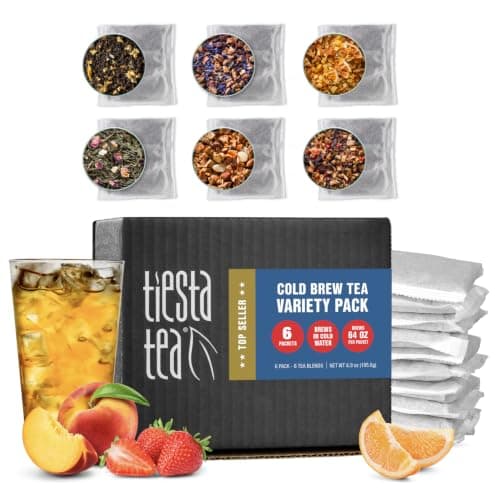
Tiesta Tea - 6-Pack Cold Brew Variety, Loose Leaf, Medium to Non
Tea made for smooth, low-bitterness cold brewing — 4.6★ across 8,891 ratings.
Shop Now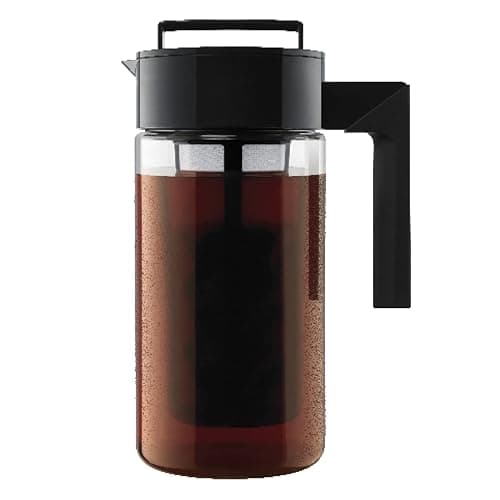
Takeya Deluxe Cold Brew Coffee Maker - BPA-Free Tritan Pitcher with
Airtight brewing pitcher — doubles for cold-brew tea — 4.6★ across 67,470 ratings.
Shop Now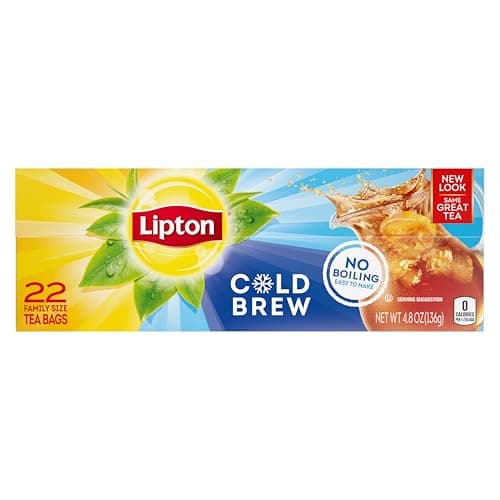
Lipton Cold Brew Iced Tea Bags, Family Size Zero Calories, Easy-To-Make
Tea made for smooth, low-bitterness cold brewing — 4.8★ across 2,206 ratings.
Shop NowProduct prices and availability are accurate as of September 14, 2026 and are subject to change. Any price and availability information displayed on Amazon at the time of purchase will apply.
What you'll need
You almost certainly own everything already:
- Tea — loose leaf or bags. Black tea gives you classic iced-tea flavor; green and white lean lighter and grassy; herbal blends go caffeine-free.
- A pitcher or large jar — a 1-quart (32 oz) mason jar or any lidded pitcher works. A lid matters; it keeps fridge odors out.
- Cold, filtered water — filtered tastes noticeably cleaner than hard tap water, which can flatten delicate teas.
- A strainer — a fine-mesh sieve for loose leaf, or nothing at all if you use bags.
That's it. No kettle, no thermometer, no timer beyond 'overnight.' If you'd rather use a purpose-built vessel with a built-in filter, see our roundup of the best cold brew tea pitcher options.
The basic ratio
The single number to remember is roughly 1 tablespoon of loose tea (or 1 tea bag) per 8–10 ounces of water. Scale it to your container:
| Water | Loose tea | Tea bags |
|---|---|---|
| 16 oz (2 cups) | 2 tbsp | 2 bags |
| 32 oz (1 quart) | 4 tbsp | 3–4 bags |
| 64 oz (½ gallon) | ½ cup | 6–8 bags |
These are starting points, not laws. Like it stronger? Add a little more tea rather than steeping longer — extra time mostly adds body, while extra leaf adds flavor cleanly. For a deeper dive into dialing this in, see our cold brew tea ratio guide.
Step-by-step: how to make cold brew iced tea
- Add your tea to the jar. Loose leaf can go straight in the water (you'll strain later) or into a large infuser. Bags just drop in.
- Pour in cold, filtered water. Fill to your ratio. Give it a gentle stir so no leaves float dry on top.
- Cover and refrigerate. Lid on, into the fridge. Cold brewing at fridge temperature is also the food-safe way to do it — room-temperature steeping invites bacteria over long hours.
- Wait 6–12 hours. Overnight is the sweet spot for most teas. Green and white teas finish faster (4–8 hours); black and herbal can go longer.
- Strain and remove the tea. Pour through a fine-mesh sieve, or lift out the bags/infuser. Leaving spent leaves in past your target time slowly adds astringency.
- Serve over ice. Pour into a glass of ice and add lemon, mint, or a touch of honey if you like. Store the rest, covered, in the fridge.
That's the entire method. The hardest part is remembering to start it the night before.
Best teas for cold brew iced tea
Almost any tea cold brews well, but each brings a different character to the glass:
- Black tea — the default 'iced tea' taste: brisk, malty, amber. Assam, Ceylon, and English Breakfast are reliable. See cold brew black tea for specifics.
- Green tea — light, sweet, vegetal, with almost none of the bitterness hot-brewed green is famous for. Try cold brew green tea.
- Oolong — floral and layered, a lovely middle ground; details in cold brew oolong tea.
- White tea — the most delicate, softly sweet and low in caffeine.
- Herbal (tisanes) — hibiscus, mint, chamomile, rooibos: all caffeine-free and vivid. Hibiscus makes a stunning ruby glass (cold brew hibiscus tea).
When in doubt, start with a black or green tea you already enjoy hot. If you love it warm, you'll almost always love its cold-brewed version.
Flavor add-ins that actually work
Cold brew iced tea is a blank canvas. A few combinations that reliably shine:
- Citrus — a squeeze of lemon or a few orange slices dropped in during the last hour of steeping.
- Fresh herbs — mint or basil added to the jar infuses beautifully in cold water.
- Fruit — muddled berries, peach slices, or a handful of frozen mango added when serving.
- A whisper of sweetener — because there's so little bitterness, a small drizzle of honey or a splash of simple syrup goes a long way. Add it to the glass, not the jar, so you can control each pour.
For a whole summer's worth of flavored combinations, our cold brew tea recipes collection has a dozen ready to copy.
Storing and serving
Once strained, keep your cold brew iced tea covered in the fridge and drink it within 3 to 4 days for the best flavor. It won't spoil dangerously on day five, but tea is at its brightest early; the aromatics fade with time.
A few serving notes:
- Always store it strained. Leaving leaves in past your target steep keeps extracting and eventually turns the batch bitter.
- Pour over plenty of ice — cold brew is served cold, not just cool.
- If a batch comes out stronger than you like, don't toss it: dilute the glass with a splash of cold water or top it with sparkling water for a lighter spritzer.
For the full shelf-life breakdown and safety notes, see how long does cold brew tea last. And if you're new to the whole method, our homepage guide to cold brew tea walks through the fundamentals from the start.
From our testing notes
A useful side-by-side worth trying at home: brew the same black tea two ways — one steeped 4 minutes in near-boiling water and chilled, the other cold brewed 8 hours in the fridge — using identical leaf amounts. The chilled hot brew almost always reads sharper and cloudier, while the cold brew pours clearer and tastes rounder, which is why it needs far less sweetener to enjoy.
Sources & further reading
- FDA — Spilling the Beans: How Much Caffeine is Too Much? (per 12 fl oz: green tea 37 mg, black tea 71 mg, coffee 113–247 mg; 400 mg/day guidance) (read 2026-09-10)
- CDC — Four Steps to Food Safety (refrigerate perishables within 2 hours; fridge at 40°F or below) (read 2026-09-10)
- Iced tea — Wikipedia
- Tea — Wikipedia
Frequently asked questions
How long should I steep cold brew iced tea?
Six to twelve hours in the fridge covers most teas, with overnight being the easy default. Green and white teas are done sooner (around 4–8 hours); black and herbal teas can happily go 8–12. Taste at your minimum and pull the leaves when you like it.
Do I need to boil water first?
No — that's the whole point. Cold brew iced tea uses cold, filtered water straight from the start. Skipping the boil is what gives you a smoother, less bitter glass and saves you the kettle step entirely.
Can I use tea bags instead of loose leaf?
Absolutely. Tea bags are the easiest route: about one bag per 8–10 ounces of water, dropped straight into the jar. When it's ready, just lift them out — no straining. See our full guide to cold brew tea bags.
Why is my iced tea cloudy and how do I avoid it?
Cloudiness ('tea cream') happens when hot-brewed tea cools and its tannins bind with caffeine. Cold brewing barely triggers it, so your tea stays clear. If you do get cloudiness from another method, a splash of hot water or a little time at room temperature can re-clarify it.
How much caffeine is in cold brew iced tea?
Roughly similar to hot-brewed tea of the same type — cold water still extracts caffeine, just more slowly. A glass of cold brew black tea might land around 30–60 mg. For caffeine-free iced tea, brew an herbal blend like hibiscus or mint. More detail lives in our cold brew tea caffeine guide.
Is cold brew iced tea healthier than regular iced tea?
It's simply tea with less added sugar in most cases, since it needs little sweetening. Tea is a beverage, not a treatment, so we won't make health claims — but choosing an unsweetened cold brew over a heavily sugared bottled tea is an easy, lower-sugar swap.
Can I make cold brew iced tea at room temperature to speed it up?
It's best not to. Steeping in the fridge is the food-safe method; long steeps at room temperature can let bacteria grow. If you're in a hurry, use a little more tea in cold water rather than warming it up.
What's the best ratio of tea to water?
Start at about 1 tablespoon of loose tea (or 1 bag) per 8–10 ounces of water, then adjust to taste. To go stronger, add more leaf rather than steeping much longer. Our cold brew tea ratio page has scaled charts for pitchers of every size.
Can I sweeten cold brew iced tea?
Yes, though you'll likely need less than usual. Because cold brew is low in bitterness, a small drizzle of honey or splash of simple syrup added to the glass is plenty. Sweeten by the glass rather than the whole batch so each pour is exactly how you want it. If you prefer to sweeten the whole jar, use simple syrup rather than granulated sugar — sugar doesn't dissolve well in cold liquid, so it just settles at the bottom.
What kind of water should I use for cold brew iced tea?
Cold, filtered water makes a noticeable difference. Because there's no boiling to mask off-flavors, the character of your water comes through directly in the glass. Hard, heavily mineralized tap water can flatten delicate teas and add a faint metallic edge, while filtered water keeps the tea clean and bright. If your tap water tastes good on its own, it'll make good tea.