
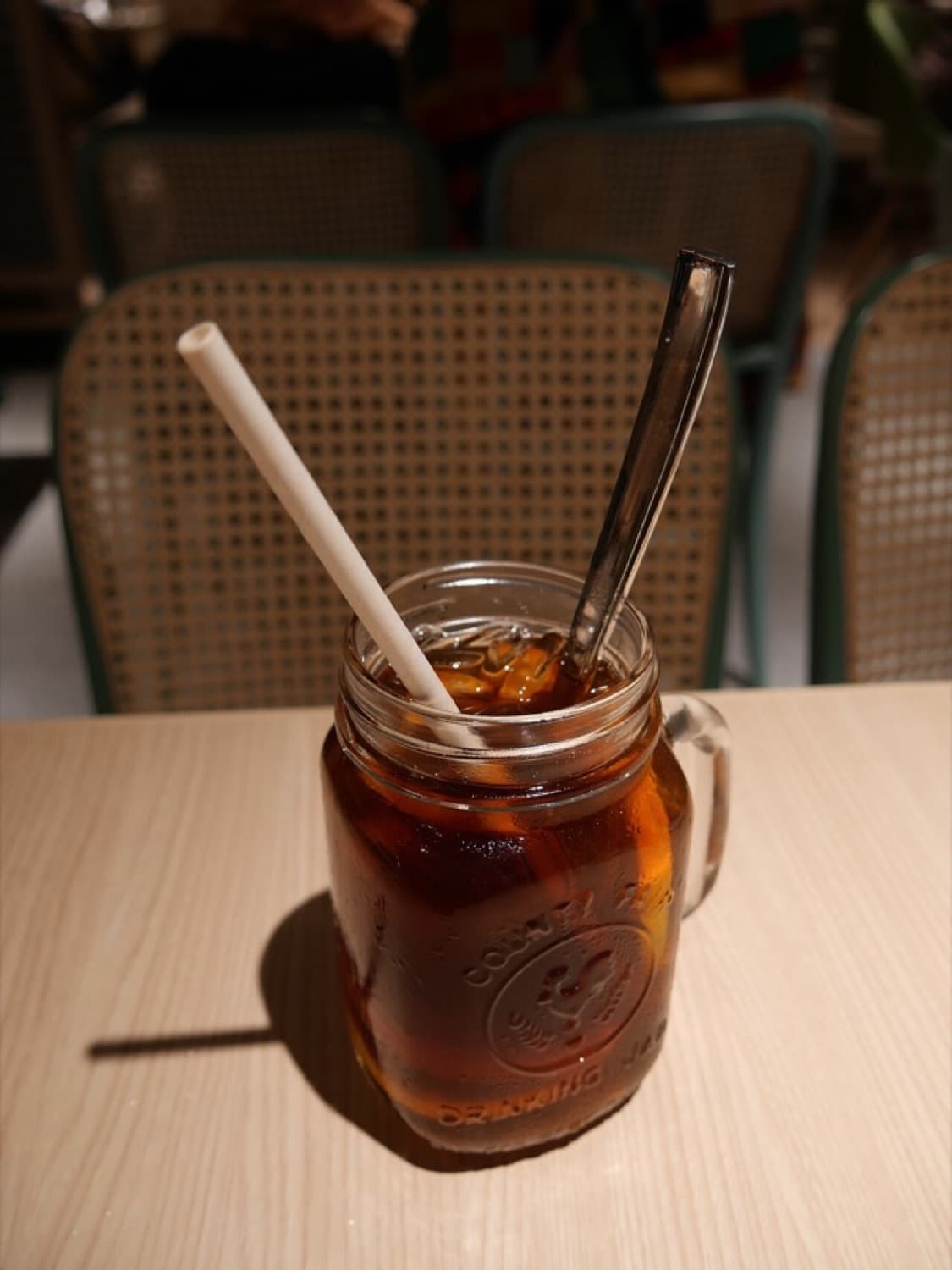
Iced black tea is the deep-amber glass that started it all — beaded with condensation, a lemon wedge on the rim, ice clinking as you lift it on a hot afternoon. It's the backbone of American iced tea, the base of Southern sweet tea, and the most robust, satisfying brew you can pour over ice.
Black tea is fully oxidized, which makes it bold, malty, and forgiving. Unlike delicate green tea, it can handle boiling water and a longer steep, so it's an easy place to start. The only real pitfalls are over-steeping into bitterness and chilling it too fast into cloudiness — and both are simple to avoid.
Below you'll find the reliable method, the best black teas to reach for, the trick to keeping it crystal clear, and all the ways to dress it up. Whether you want a plain unsweetened glass or the base for sweet tea, it starts here — with one honest amber pitcher that tastes like summer.
Quick answer
- ✓Black tea is bold and forgiving — brew it with fully boiling water, unlike green tea.
- ✓Brew at double strength if pouring over ice so it doesn't turn watery.
- ✓Cool it to room temperature before refrigerating to keep it clear, not cloudy.
- ✓It's the base for sweet tea, Arnold Palmers, and Thai iced tea.
How to make iced black tea, step by step
Black tea is the easiest of all teas to ice because it's sturdy — you don't have to baby the temperature the way you do with green. Here's the reliable method for a full pitcher.
For a 2-quart pitcher:
- Bring 1 quart (32 oz) of water to a full rolling boil. Black tea likes it hot.
- Add 6–8 black tea bags (or about 6 teaspoons of loose leaf) and steep 3–5 minutes — no longer, or bitterness creeps in.
- Remove the tea completely. Don't let the bags sit.
- Pour the hot concentrate into a pitcher and add 1 quart of cold water.
- Let it cool to room temperature, then refrigerate. Serve over ice.
For a single quick glass: steep 2 bags in 8 oz of boiling water for 4 minutes, then pour over a full glass of ice. Brewing at this doubled strength means the melting ice dilutes it back to perfect, not weak. That's the whole trick, and it applies to every hot-brewed iced tea — see how to make iced tea for the full framework. Which black tea you start with matters for iced tea; the types of black tea guide explains why Ceylon and Nilgiri stay clear over ice.
Tea & gear for this guide
Hand-matched Amazon picks with strong owner ratings. As an Amazon Associate, Tea & Peace earns from qualifying purchases.
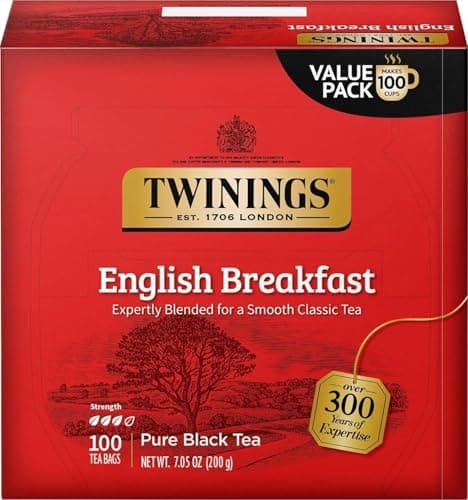
English Breakfast Black Tea
Brisk, malty black tea for hot or iced — 4.8★ across 20,190 ratings.
Shop Now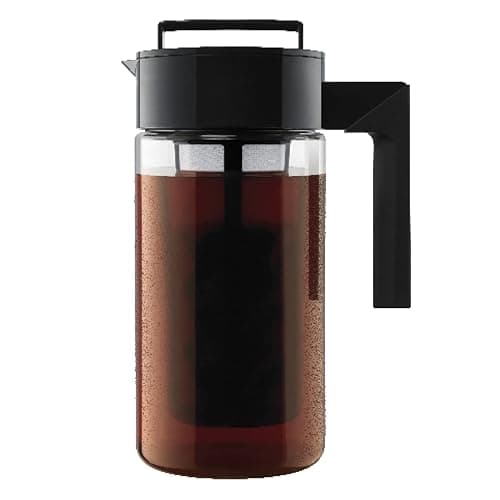
Takeya Deluxe Cold Brew Coffee Maker - BPA-Free Tritan Pitcher with
Airtight brewing pitcher — doubles for cold-brew tea — 4.6★ across 67,470 ratings.
Shop Now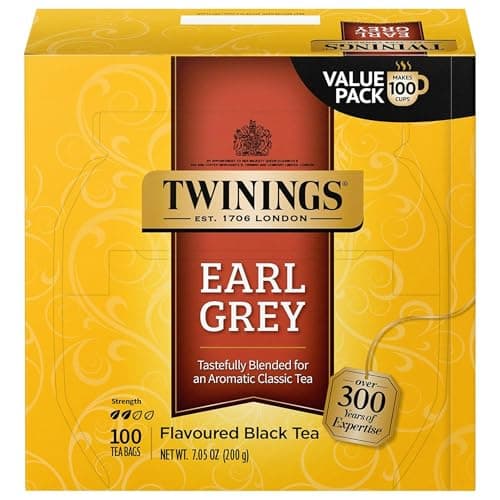
Earl Grey Black Tea
Brisk, malty black tea for hot or iced — 4.7★ across 13,032 ratings.
Shop NowProduct prices and availability are accurate as of September 14, 2026 and are subject to change. Any price and availability information displayed on Amazon at the time of purchase will apply.
Choosing the right black tea
Any black tea works iced, but a few types shine and each brings a different character:
- Ceylon — bright, brisk, and clean; the gold standard for classic iced tea. It holds its clarity well.
- Assam — bold, malty, and strong; excellent when you want a robust base for sweet tea or milk.
- Orange pekoe — a grade, not a flavor; the everyday blend behind most supermarket iced tea. Dependable and balanced.
- English or Irish Breakfast — hearty blends that make a full-bodied, satisfying glass.
- Darjeeling — lighter and more floral; a more delicate, sophisticated iced tea for sipping.
For most people, a good Ceylon or a solid orange pekoe blend is the sweet spot: bold enough to stand up to ice and lemon, smooth enough to drink all day. If you want to go deeper on varieties and origins, our black tea guide covers the full range.
Keeping it clear, not cloudy
Black tea is more prone to cloudiness than green because it's higher in the tannins that cause it. The haze forms when hot, tannin-rich tea is chilled too quickly and the tannins bond with caffeine into tiny particles.
Here's how to keep your amber glass clear:
- Cool the brewed tea to room temperature before it goes in the fridge. This is the single biggest factor. Shocking hot tea into cold is what triggers the cloud.
- Don't over-steep. Pull the tea at 3–5 minutes; longer just loads more tannin.
- Use filtered water. Hard-water minerals make haze worse.
- Rescue a cloudy pitcher by stirring in a splash of boiling water, which redissolves the particles.
And if you want to avoid the issue entirely, cold-brew your black tea instead — it barely clouds because the low temperature never extracts enough tannin to bond. A cloudy glass is still perfectly safe to drink; it's purely cosmetic.
Cold brew black tea for the smoothest glass
Hot-brewing is fast, but cold brewing gives black tea a completely different, gentler personality. Steeped in cold water, black tea keeps its bold flavor but sheds most of its astringency and about a third of its caffeine — smooth, low-acid, and never bitter.
Cold brew method:
- Add 1 tea bag per 8–10 oz of cold, filtered water (or 1 tablespoon loose leaf per 16 oz).
- Cover and refrigerate 8–12 hours.
- Remove the tea and serve over ice.
The payoff is a glass that's rich but exceptionally smooth, easy on sensitive stomachs, and crystal clear. It's the method we reach for most, and it anchors our whole cold brew tea approach. If you love bold flavor but find hot-brewed tea too sharp, cold brew black tea is likely your answer. The lower acidity is a real bonus if regular iced tea ever bothers your stomach — cold brewing strips out much of what makes strong black tea sharp.
How black tea compares to other iced teas
Black tea sits at the bold end of the iced-tea spectrum, and knowing where it falls helps you pick the right brew for the moment.
| Iced tea | Body | Caffeine | Best for |
|---|---|---|---|
| Black | Bold, malty | Highest | Classic tea, sweet tea, milk tea |
| Green | Light, grassy | Moderate | Refreshing, everyday sipping |
| Oolong | Floral, layered | Moderate | Sophisticated, aromatic glasses |
| Herbal / hibiscus | Varies | None | Caffeine-free, colorful |
Black tea's strength is exactly why it became the American iced-tea standard: it holds its own against ice, lemon, sugar, and milk without vanishing. Where a delicate iced green tea shines as a light afternoon refresher, iced black tea is the workhorse — the one you brew by the pitcher for a cookout, sweeten for the porch, or spice up into something like thai iced tea. If you want the full family tree of chilled teas, our iced tea hub lays it all out.
Ways to dress up iced black tea
Iced black tea is a wonderful canvas. A few directions to take it:
- Sweet tea — sweeten the hot concentrate generously with sugar before chilling; that's the Southern classic. We compare it to plain tea in sweet tea vs iced tea.
- Arnold Palmer — half iced black tea, half lemonade. Endlessly refreshing.
- Lemon and mint — the timeless finishers; bright acid and cool herb.
- Peach or berry — muddle ripe fruit into the pitcher for a fruity Southern-style tea.
- Milk tea and Thai tea — spiced, sweetened black tea with milk becomes thai iced tea or a simple iced milk tea.
Whatever you add, start from a well-brewed, properly strong base. Everything good about iced black tea builds on that first honest amber glass — the additions are just the encore.
Serving, storing, and caffeine notes
Once brewed, iced black tea is easygoing to serve and keep. Pour it over plenty of ice and, if you like, add a lemon wedge or a sprig of mint. It stands up better than green tea to sitting on a table, so it's a natural for gatherings and pitchers that get poured over an afternoon.
For storage, keep it covered in the fridge and enjoy within 3–4 days — a little longer than green tea, since black tea's bolder flavor holds up. Sweetened versions can spoil slightly faster because sugar feeds bacteria, so drink sweet tea sooner. Store it in a sealed pitcher so it doesn't pick up fridge odors, and freeze any extra into ice cubes to chill future glasses without diluting them.
On caffeine: black tea has the most of the true teas, roughly 40–70 mg per cup hot-brewed — less than a cup of coffee but enough to notice, so keep late-day glasses in mind if caffeine affects your sleep. Cold-brewing pulls out about a third less. Black tea is also higher in tannins, which some people find slightly drying on the palate; a splash of milk or lemon softens that. As always, tea is a beverage and not a treatment — enjoy it as the refreshment it is.
From our testing notes
A clarity experiment worth trying: brew two identical pitchers of Ceylon, then chill one straight from hot in the fridge and let the other cool to room temperature first. The straight-to-fridge pitcher reliably turns hazy within an hour, while the room-temperature one stays clear and amber. Same tea, same water, same steep — the only variable is the speed of cooling, which is exactly what drives the cloud.
Sources & further reading
- FDA — Spilling the Beans: How Much Caffeine is Too Much? (per 12 fl oz: green tea 37 mg, black tea 71 mg, coffee 113–247 mg; 400 mg/day guidance) (read 2026-09-10)
- USDA FoodData Central — Beverages, tea, black, brewed (20 mg caffeine per 100 g) (read 2026-09-10)
- Black tea — Wikipedia
- Iced tea — Wikipedia
Frequently asked questions
What is the best black tea for iced tea?
Ceylon is the classic choice — bright, brisk, and clear-brewing. Assam is great when you want a bold, malty base for sweet tea or milk tea, and a standard orange pekoe blend makes dependable everyday iced tea. For most people, a good Ceylon or orange pekoe hits the sweet spot of bold but smooth.
How long should I steep black tea for iced tea?
For hot-brewing, 3–5 minutes in fully boiling water, then remove the tea completely. Steeping longer doesn't make it stronger — it just adds bitterness and tannin. For cold brew, steep 8–12 hours in the fridge, which gives a smoother, less astringent glass.
Why is my iced black tea cloudy?
Cloudiness happens when hot, tannin-rich black tea is chilled too fast and tannins bond with caffeine. Cool the tea to room temperature before refrigerating, avoid over-steeping, and use filtered water. A splash of boiling water clears an already-cloudy batch. Cold-brewed black tea barely clouds at all. Either way, it's harmless.
Does iced black tea have a lot of caffeine?
Black tea has the most caffeine of the true teas — roughly 40–70 mg per cup hot-brewed, less than coffee but more than green tea. Cold-brewing extracts about a third less. If caffeine affects your sleep, keep iced black tea to earlier in the day or choose a green or herbal option in the evening.
Can I make iced black tea without boiling water?
Yes — cold brew it. Add tea to cold water and refrigerate 8–12 hours. Cold black tea comes out bold but remarkably smooth, low in acid, and clear. It's the best method if you find hot-brewed black tea too sharp or if you'd rather not heat anything on a hot day.
How do I keep iced black tea from tasting bitter?
Don't over-steep — pull the tea at 3–5 minutes for hot-brewing. Bitterness comes from too much tannin, which builds up the longer the leaves sit. Removing the tea on time is the fix. Cold brewing avoids bitterness almost entirely, and a squeeze of lemon or a little sweetener softens any sharp edge.
How long does iced black tea last in the fridge?
Covered and refrigerated, iced black tea keeps about 3–4 days — a bit longer than green tea because its bolder flavor holds up. Sweetened tea can go off a little sooner since sugar feeds bacteria. Store it in a sealed pitcher away from strong-smelling foods, and discard any that smells sour or turns ropy.
Can I use the same black tea for hot and iced tea?
Yes — any black tea you enjoy hot will work iced. The main change is strength: if you're hot-brewing to pour over ice, brew about double so the melting ice doesn't leave it watery. A brisk Ceylon or a hearty breakfast blend that you like hot makes an equally good iced glass.