
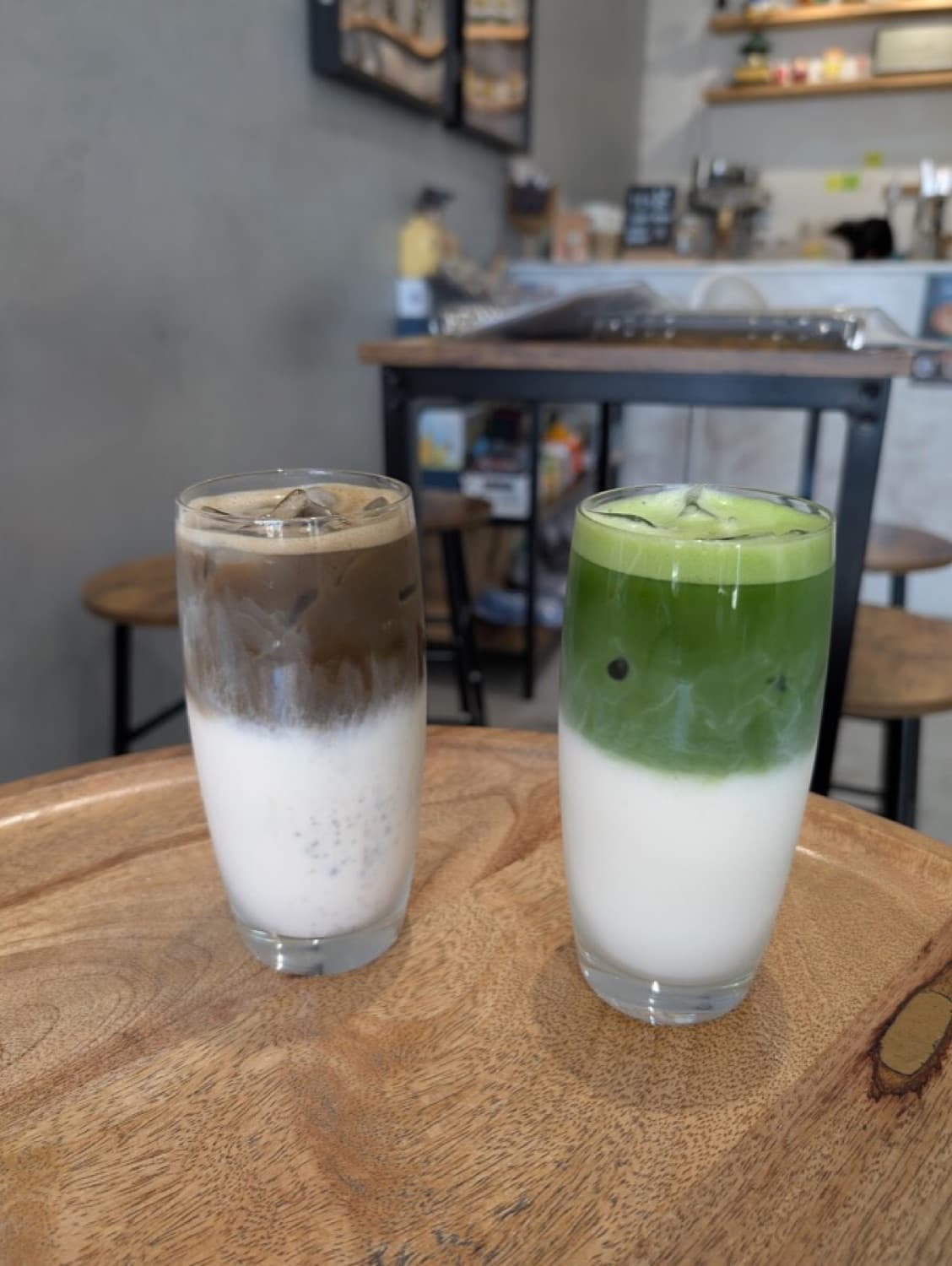
Iced green tea is green tea served cold over ice — but that plain description undersells it. Made well, it's the most refreshing glass in the iced tea family: light-bodied, faintly grassy and sweet, with a clean finish that never coats your mouth. Made carelessly, it turns bitter and astringent, which is why so many people think they don't like it.
The whole game with iced green tea is temperature. Green tea is delicate, and the same boiling water that suits a robust black tea will scorch green leaves and pull out harsh tannins. Keep the water cool — or skip hot water entirely and cold brew — and you unlock a naturally sweet, mellow drink that tastes like a garden in a glass. Here's exactly how to do it.
The one rule: don't scorch the leaves
If you take away a single idea, make it this: green tea hates boiling water. Black tea can handle a rolling boil, but green tea leaves are lightly processed and delicate. Hit them with 212°F water and you extract a rush of bitter tannins and a cooked, spinach-like flavor that no amount of ice will rescue.
The fix is simple. For hot-brewing green tea, use water around 160–175°F (70–80°C) — that's water brought to a boil and then left to cool for 2–3 minutes, or a kettle set to the green tea setting. Steep for only 2–3 minutes, then remove the leaves immediately. This gentle treatment gives you the sweet, grassy, umami side of green tea instead of its harsh side. Everything else about iced green tea is easy; this is the part that actually matters.
Tea & gear for this guide
Hand-matched Amazon picks with strong owner ratings. As an Amazon Associate, Tea & Peace earns from qualifying purchases.
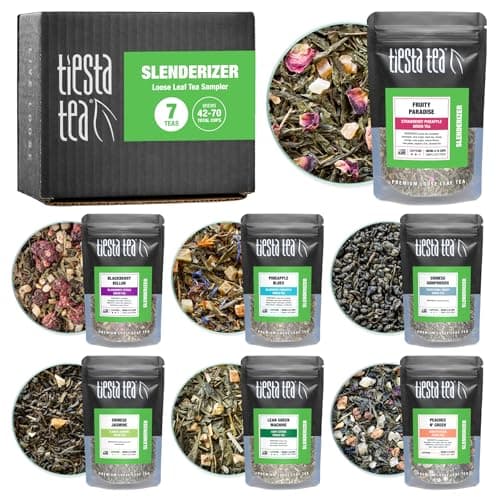
Tiesta Tea - 7 Green Teas Dry Flight Sampler, Loose Leaf, Medium Caffeine
Bright, grassy loose-leaf green tea — 4.6★ across 8,891 ratings.
Shop Now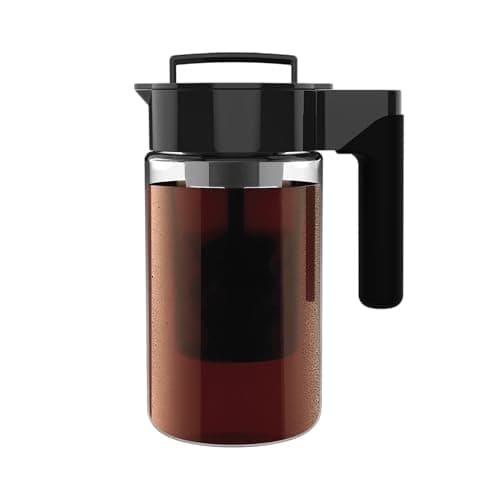
Takeya Deluxe Cold Brew Coffee Maker - BPA-Free Tritan Pitcher with
Airtight brewing pitcher — doubles for cold-brew tea — 4.6★ across 67,470 ratings.
Shop Now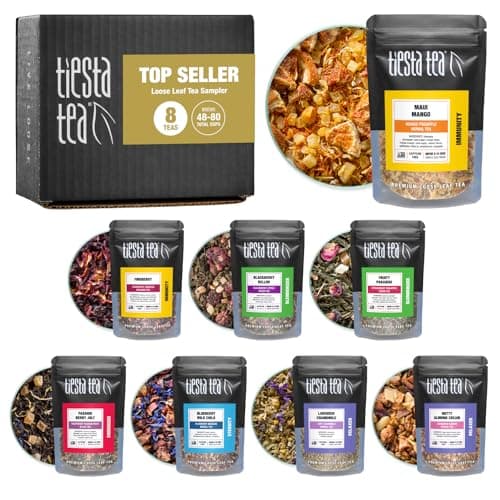
Tiesta Tea - Top 8 Favorites Sampler Set, Loose Leaf, Up to 80 Cups, High
Bright, grassy loose-leaf green tea — 4.6★ across 8,891 ratings.
Shop NowProduct prices and availability are accurate as of September 22, 2026 and are subject to change. Any price and availability information displayed on Amazon at the time of purchase will apply.
Cold brew iced green tea (the foolproof way)
If temperature control feels fussy, cold brewing sidesteps it completely — and honestly makes the best iced green tea anyway. Cold water can't scorch anything, so bitterness simply isn't on the table.
Recipe:
- Add 1 tablespoon of loose green tea (or 2 tea bags) per 16 oz of cold, filtered water to a jar or pitcher.
- Cover and refrigerate for 4–6 hours — green tea steeps faster cold than black does.
- Strain out the leaves and serve over ice.
- Optional: add a slice of lemon, a few mint leaves, or a thin round of cucumber.
The result is astonishingly smooth, gently sweet, and vividly refreshing. Because it uses no heat, this is also the most hands-off method — set it before bed and it's ready by morning. It shares its logic with everything on our cold brew tea hub, where the cold-water approach is the house method.
Hot-brew method for a quick glass
When you want iced green tea now, hot-brew a concentrate — just keep the water cool and the steep short.
- Heat water to 175°F (boil, then rest 2–3 minutes).
- Steep 2 tea bags (or 2 tsp loose leaf) in 8 oz for 2–3 minutes. That's slightly stronger than a hot cup, to survive the ice.
- Remove the leaves the moment time is up — no lingering.
- Pour over a full glass of ice and stir.
The extra leaf compensates for melting ice; the cool water and short steep keep it from turning bitter. If it does come out a little astringent, next time drop the water temperature or shorten the steep by 30 seconds. For the full three-method framework across all iced teas, see how to make iced tea.
Green tea temperature and time cheat sheet
Green teas vary, so here's a quick reference for the most common types iced:
| Green tea | Water temp (hot-brew) | Hot steep | Cold brew |
|---|---|---|---|
| Sencha | 160–170°F | 2 min | 4–6 hr |
| Dragonwell (Longjing) | 175°F | 2–3 min | 5–6 hr |
| Gunpowder | 175–180°F | 3 min | 6 hr |
| Jasmine green | 170–175°F | 2–3 min | 4–5 hr |
| Genmaicha | 175°F | 3 min | 5–6 hr |
Cooler and shorter is almost always the safer choice with green tea. When in doubt, under-steep — you can taste and extend, but you can't un-brew bitterness. Jasmine green makes an especially lovely, fragrant iced glass, and genmaicha (green tea with toasted rice) brings a cozy, nutty note that's surprisingly good cold.
Flavor pairings that flatter green tea
Green tea's fresh, vegetal character pairs beautifully with bright, clean flavors:
- Citrus — lemon or yuzu lift the grassy notes; a classic combination.
- Mint — cool and complementary, almost Moroccan in spirit.
- Cucumber — enhances the fresh, clean quality without adding sweetness.
- Ginger — a little warmth and spice against the tea's lightness.
- Honey or a touch of simple syrup — if you want it sweet, add while the tea is warm or use syrup for cold tea.
- A dash of matcha — whisked in for a deeper green flavor and color; see matcha tea for more on the powder.
Green tea is subtle, so go easy on additions — the goal is to frame the tea, not bury it. A single lemon slice and a couple of mint leaves is often all a glass needs.
Iced matcha: green tea's frothy cousin
If you love iced green tea, iced matcha is the natural next step — and it solves the delicacy problem in a different way, because you're drinking the whole leaf as powder rather than steeping and straining.
Quick iced matcha:
- Sift 1–2 teaspoons of matcha into a bowl or shaker to break up clumps.
- Add a small splash of cool water and whisk (or shake) until smooth and frothy — never use boiling water, which turns matcha bitter.
- Pour over a tall glass of ice.
- Top with cold water for a clean iced matcha, or milk (dairy or oat) for an iced matcha latte.
- Sweeten with a little simple syrup or honey if you like.
Because matcha is stone-ground green tea leaves, it delivers a bigger hit of flavor, color, and gentle caffeine than steeped green tea, with the same grassy, umami character. It's vivid, frothy, and endlessly Instagrammable. To go deeper on grades, sourcing, and whisking technique, see our full matcha tea guide — but the iced version above is a perfect place to start.
Serving, storing, and a note on caffeine
Serve iced green tea very cold over plenty of ice; its delicate flavor is at its best truly chilled. Store leftovers covered in the fridge and drink within 2–3 days — green tea's fresh notes fade faster than black tea's, so it doesn't keep quite as long.
On caffeine: green tea has a moderate amount, generally less than black tea and much less than coffee, and cold-brewing pulls out even less. That makes iced green tea a good afternoon option when you want a gentle lift without the jolt. It also contains L-theanine, an amino acid associated with a calm, focused feeling — one reason a glass of green tea feels steadying rather than jittery. That said, tea is a beverage, not a treatment; if caffeine affects your sleep, keep green tea to earlier in the day. For the wider question of what cooling does to green tea's taste and caffeine, see can you drink green tea cold.
From our testing notes
A revealing kitchen test: steep the same sencha at 175°F for two minutes and at a full boil for the same two minutes, then chill both. The 175°F cup stays sweet and grassy over ice; the boiled cup turns noticeably astringent and vegetal, even after dilution. It's the single clearest illustration that with green tea, water temperature does more for the final glass than any other variable.
Sources & further reading
- USDA FoodData Central — Beverages, tea, green, brewed, regular (12 mg caffeine per 100 g) (read 2026-09-10)
- FDA — Spilling the Beans: How Much Caffeine is Too Much? (per 12 fl oz: green tea 37 mg, black tea 71 mg, coffee 113–247 mg; 400 mg/day guidance) (read 2026-09-10)
- Harvard T.H. Chan School of Public Health — The Nutrition Source: Tea (brewing temperatures and times; caffeine) (read 2026-09-10)
- Green tea — Wikipedia
- L-theanine — Wikipedia
Frequently asked questions
Why does my iced green tea taste bitter?
Almost always because the water was too hot or the tea steeped too long. Green tea is delicate and scorches in boiling water, releasing harsh tannins. Use water around 160–175°F and steep just 2–3 minutes, or cold brew it, which can't scorch the leaves at all. Bitterness is a technique problem, not a green tea problem.
Can you cold brew green tea?
Yes, and it's arguably the best way to make iced green tea. Use about 1 tablespoon of loose tea per 16 oz of cold water and refrigerate 4–6 hours. Cold water extracts flavor and natural sweetness while leaving bitterness behind, so the result is smooth and never astringent — no temperature control required.
How much caffeine is in iced green tea?
A typical glass has moderate caffeine — generally less than black tea and far less than coffee, roughly 25–45 mg per cup depending on the tea and steep. Cold-brewed green tea has even less. It's a gentle option for the afternoon, though sensitivity varies from person to person.
What is the best green tea for iced tea?
Sencha and dragonwell make clean, classic iced green tea; jasmine green adds lovely fragrance, and genmaicha brings a nutty, toasted note that's great cold. Any quality loose-leaf green works. Avoid dusty low-grade bags, which can taste flat and bitter over ice.
How long does iced green tea last in the fridge?
Covered and refrigerated, iced green tea is best within 2–3 days. Its fresh, grassy notes fade faster than heartier black tea, so it doesn't keep quite as long. Store it sealed to protect it from fridge odors, and discard if it smells off.
Should I add sugar to iced green tea?
It's delicious unsweetened, especially cold-brewed, where the tea's natural sweetness comes forward. If you'd like it sweet, add honey or sugar while the tea is warm, or stir in simple syrup for cold tea so it dissolves. A little citrus or mint often satisfies the craving for sweetness without any sugar.
Is iced green tea good for you?
Unsweetened iced green tea is a low-calorie, hydrating drink containing the same antioxidants (catechins) and L-theanine as hot green tea. Many people find it steadying and refreshing. It's a beverage, not a medical treatment, so don't rely on it for health outcomes — talk to a professional for specific concerns.
Can I use bottled green tea instead?
You can, but homemade is fresher, far cheaper, and lets you control the sugar — many bottled green teas are heavily sweetened and made from concentrate. Once you've cold-brewed your own, most bottled versions taste flat and syrupy by comparison. It takes minutes of active effort to do better.
Can I make iced green tea with matcha instead of leaves?
Yes, and it's a great option. Whisk 1–2 teaspoons of matcha with a splash of cool water until frothy, then pour over ice and top with cold water or milk. Because you're drinking the whole powdered leaf, iced matcha is more vivid and flavorful than steeped green tea, with a bit more caffeine. Just never mix matcha with boiling water, which makes it bitter.
What can I add to iced green tea for flavor?
Bright, clean additions flatter green tea best: lemon or yuzu, fresh mint, a slice of cucumber, or a little ginger. Ripe fruit like peach or berries infuses subtle natural sweetness. Go easy — green tea is subtle, so the goal is to frame its grassy character, not bury it. A single lemon slice and a couple of mint leaves is often all a glass needs.
Should I sweeten iced green tea, and with what?
Green tea's appeal is its natural sweetness, so start unsweetened and taste before reaching for anything — properly brewed, especially cold brewed, it usually needs nothing. If you do want sweetness, a light simple syrup dissolves cleanly where granulated sugar sinks and sits in the bottom of a cold glass. Honey works but has a pronounced flavor that competes with delicate green tea; agave or a plain syrup stays more neutral.
A better first move than sweetener is acid or aroma: a squeeze of lemon, a strip of citrus peel, or a few mint leaves makes the tea read brighter and fuller without adding sugar at all. Many people who think they want iced green tea sweeter actually want it colder and more aromatic.