
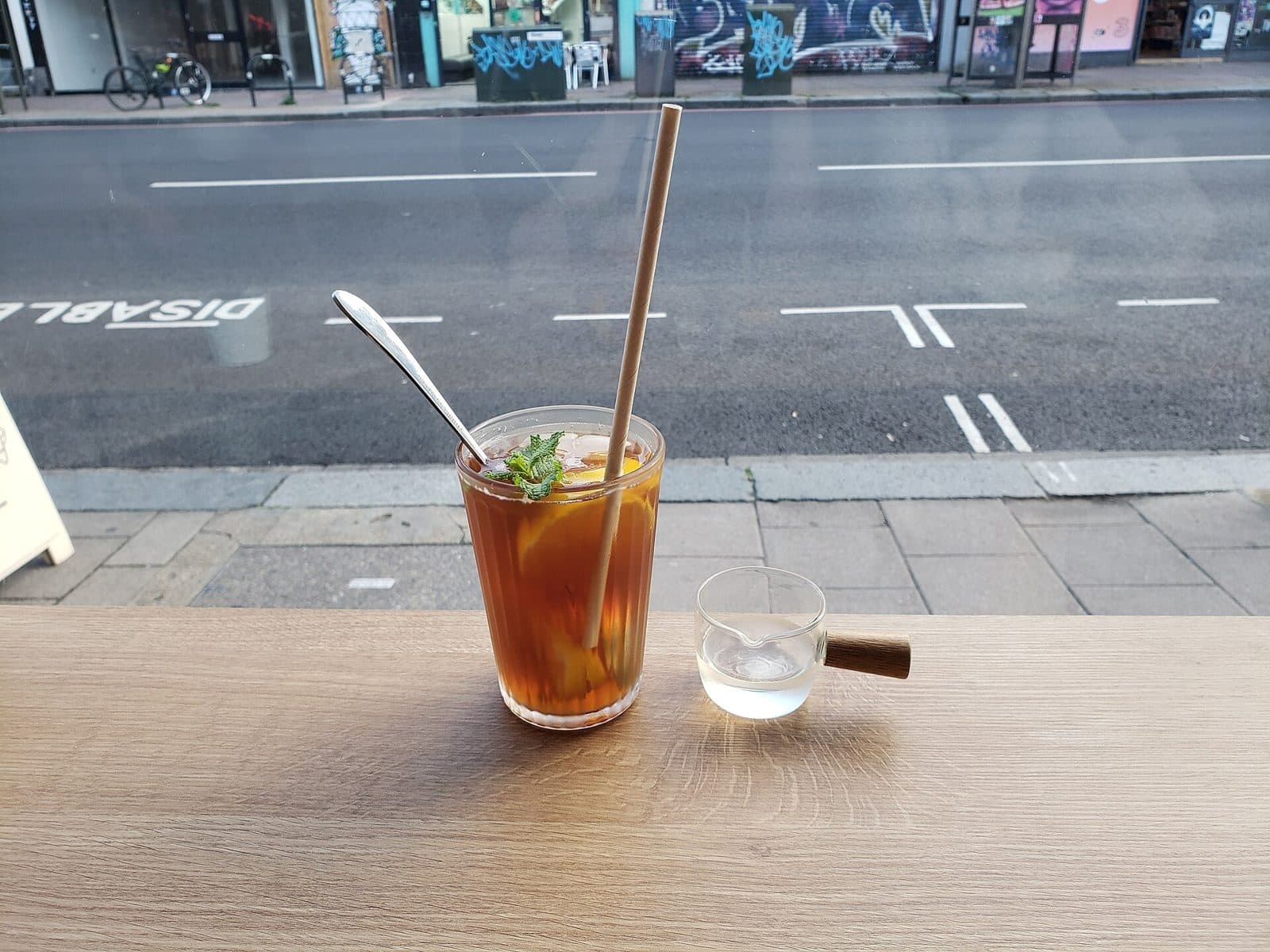
Cold brew black tea solves the oldest problem in iced tea: how to get bold, satisfying flavor without the sharp, tannic bite. Steeped in cold water for 8 to 12 hours, black tea gives up its deep malty character and amber color while leaving much of its harsh astringency in the leaves.
Black tea is the most oxidized of the true teas, which is exactly why it cold brews so beautifully — there's plenty of robust flavor to draw out, and cold water pulls it gently instead of forcing it. You get body and briskness without the pucker.
This recipe covers the ratio, the timing, which black teas to reach for, and how to keep every batch smooth and low in acid.
Why black tea and cold water are a great match
Black tea is fully oxidized, meaning the leaves have been allowed to darken and develop rich, malty, sometimes fruity or smoky notes. That depth is why it's the backbone of classic iced tea. But black tea is also high in tannins, and tannins are what make hot-brewed black tea turn bitter and drying — especially once it's been over-steeped or left to cool.
Cold water changes the equation. Over a long, slow steep it extracts the flavorful, aromatic compounds while pulling far fewer of the astringent tannins. The practical result is tea that tastes just as bold but noticeably rounder, with a softer finish and lower perceived acidity.
That lower acidity is the reason many people who find hot iced tea too sharp on the stomach get along fine with cold brew black tea. It's the same leaf, brewed kinder — the difference is entirely in how the water treats it, not in the tea you start with. If you want the full contrast between the two approaches, our cold brew vs hot brew tea page lays it out.
Tea & gear for this guide
Amazon picks matched to this guide. As an Amazon Associate, Tea & Peace earns from qualifying purchases.
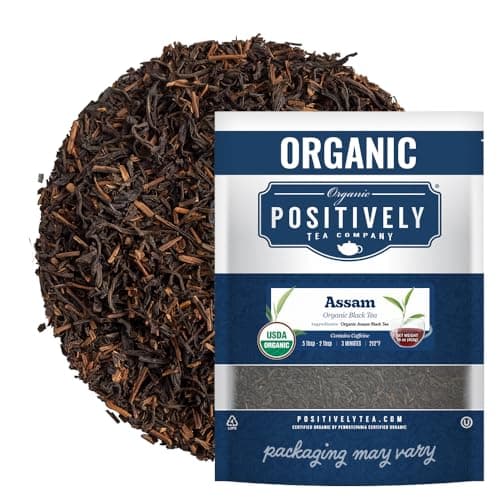
Positively Tea, Organic Assam TGFOP Black Tea
Assam is a strong, malty black tea that becomes rich, not harsh, when cold-brewed.
Shop Now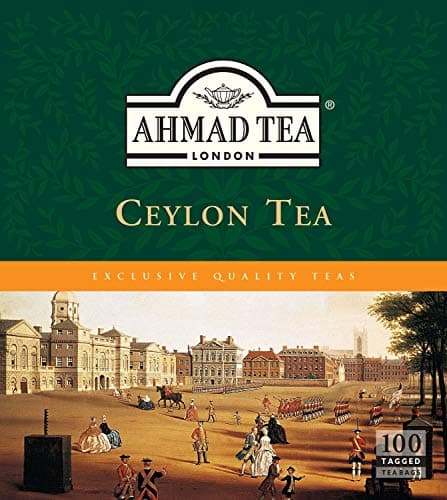
Ahmad Tea Ceylon tagged teabags, no envelopes
Ceylon is bright and citrusy, a classic iced black tea that stays clear.
Shop Now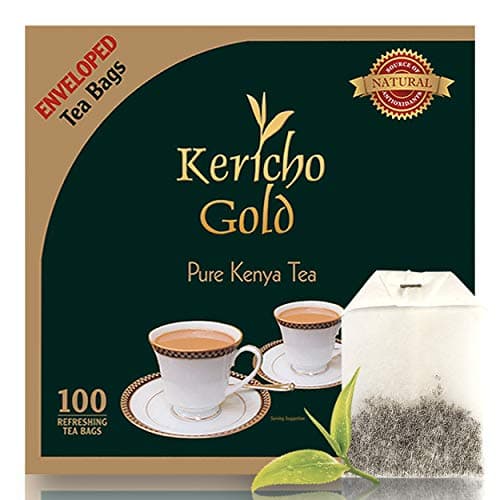
Kericho Gold Black Tea - Rich in Antioxidants
Kenyan black tea is bold and deep in color, good for the black tea concentrate recipe.
Shop Now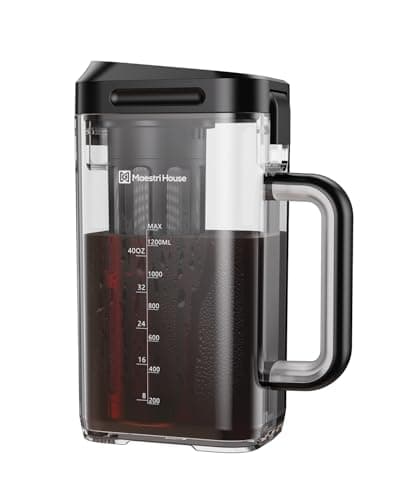
Maestri House Cold Brew Coffee Maker
A cold brew maker with a fine filter for loose black leaf.
Shop Now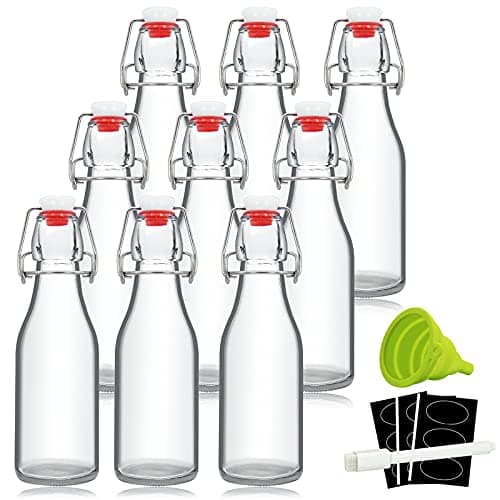
YEBODA 8 oz Clear Swing Top Glass Bottles with Airtight Lids
Bottle the concentrate for the week, as the storage section suggests.
Shop Now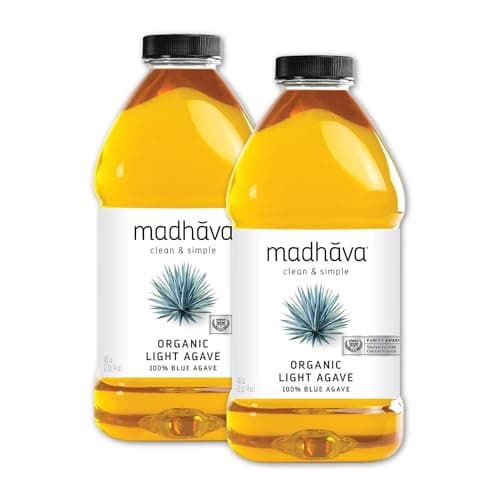
MADHAVA Organic Light Agave, 100% Pure Blue Nectar
Agave dissolves in cold tea, which matters for an unheated brew.
Shop NowProduct prices and availability are accurate as of October 29, 2026 and are subject to change. Any price and availability information displayed on Amazon at the time of purchase will apply.
The recipe: ratio and timing
Black tea is forgiving, so the numbers are simple.
Ratio: about 1 tablespoon of loose black tea (or 1 tea bag) per 8 ounces of cold, filtered water. Black tea can take slightly more leaf than delicate green tea without turning harsh, so if you like it strong, lean toward 1 heaping tablespoon per cup.
Timing: 8 to 12 hours in the fridge. Black tea is on the longer end of the cold brew spectrum because its larger, denser leaves release flavor slowly. Overnight is ideal — start it before bed and strain in the morning.
Method:
- Add tea to a jar or pitcher and pour in cold water to your ratio.
- Stir gently, cover, and refrigerate.
- After 8–12 hours, taste; when it's rich enough for you, strain out the leaves or lift the bags.
- Serve over ice.
For scaled amounts by pitcher size, check the cold brew tea ratio charts, and for timing across every tea type see cold brew tea steep time.
Best black teas to cold brew
Different black teas give very different glasses. Here's how the common ones behave in cold water:
| Black tea | Flavor cold brewed | Good to know |
|---|---|---|
| Assam | Bold, malty, brisk | The classic strong iced-tea base |
| Ceylon | Bright, clean, citrusy | Stays clear, great for lemon tea |
| Darjeeling | Light, floral, muscatel | More delicate; steep on the shorter side |
| English Breakfast | Full, rounded, everyday | Reliable blend, hard to get wrong |
| Earl Grey | Citrus-bergamot, aromatic | Bergamot really pops cold |
| Keemun | Wine-like, mildly smoky | Elegant, smooth finish |
If you're just starting, Assam or a plain English Breakfast makes the most recognizable iced tea. Earl Grey is the fun one — the bergamot oil comes through vivid and perfumed when cold brewed. Curious about the Chinese black teas in that list? Our black tea overview goes deeper on origins and flavor.
Getting a smooth, low-acid glass every time
A few habits keep cold brew black tea at its best:
- Use good water. Filtered water tastes cleaner and lets the tea's character show. Hard, mineral-heavy tap water can dull black tea and add a metallic edge.
- Don't over-steep by days. Cold brew is forgiving by hours, not days. Leaving spent leaves in the jar for 24-plus hours slowly reintroduces the bitterness you were avoiding — strain on time.
- Strain thoroughly. Fine black tea leaves and 'fannings' from tea bags can slip through and keep steeping. A fine-mesh sieve or a second strain keeps the batch stable.
- Sweeten the glass, not the batch. Because cold brew black tea is already low in bitterness, you'll want less sweetener than usual; add it by the glass.
One more note on acidity: cold brewing lowers the perceived sharpness, but tea is still a mildly acidic beverage. If acid is a real concern for you, it's a lifestyle preference to discuss with a professional, not a medical claim we can make here.
Ways to serve it
Cold brew black tea is a natural fit for the iced-tea classics:
- Lemon iced tea — a squeeze of lemon over ice; Ceylon or Assam shine here.
- Peach or berry tea — muddle fruit in the glass and top with cold brew.
- Half-and-half (an 'Arnold Palmer') — cold brew black tea plus lemonade.
- Milk tea, iced — strong-brewed black tea over ice with a splash of milk and a little sweetener; excellent with Assam or English Breakfast.
- Spiced — add a cinnamon stick or a few cloves to the jar for a gently spiced version.
For a whole set of combinations built on black, green, and herbal bases, browse our cold brew tea recipes. And if you want the smoothest possible everyday iced tea, cold brew black tea is the heart of our cold brew iced tea method.
Making a black tea concentrate for a crowd
If you're serving iced tea at a cookout or keeping the fridge stocked for the week, brewing a concentrate is the smart move. Instead of your usual 1 tablespoon per 8 ounces, roughly double the leaf — about 2 tablespoons per 8 ounces of water — and cold brew as normal for 8–12 hours. What you strain out is a strong, dark base you dilute to taste.
Why bother? A few reasons:
- It saves fridge space. A quart of concentrate stretches into two quarts of finished tea, so you store half as much.
- It keeps a little longer. Because it's more concentrated, a black tea concentrate tends to hold its flavor a touch better over several days than a ready-to-drink batch.
- Everyone gets it their way. Pour concentrate over a full glass of ice and top with cold water — strong tea for some, lighter for others, all from one jar.
Black tea is ideal for this because it has the body to survive dilution without tasting thin. Aim for roughly a 1-to-1 pour of concentrate to cold water over ice, then adjust. It's the same trick baristas use for cold brew coffee, and it works just as well for a big batch of iced tea. For exact scaling, cross-reference the cold brew tea ratio charts.
Storing your cold brew black tea
Once strained, keep cold brew black tea covered in the fridge and enjoy it within 3 to 5 days. Black tea holds up a little longer than delicate greens because its flavor is robust to begin with, but it's still brightest in the first few days.
Store it strained — never with the leaves still in — so it doesn't keep extracting. If you brewed a strong batch as a concentrate, you can keep it more concentrated and dilute each glass with cold water or ice, which also stretches it further. For the complete shelf-life and food-safety rundown, see how long does cold brew tea last. New to the method overall? Start at our cold brew tea home guide.
Worth knowing
Worth noting for anyone chasing a clear glass: Ceylon black tea is one of the most reliably non-cloudy choices for cold brew because of how it interacts with cold water, which is why it's a favorite for lemon iced tea where clarity shows. Assam brews darker and bolder but can look a shade hazier — pleasant to drink, just less crystal-clear in the glass.
Sources & further reading
- FDA — Spilling the Beans: How Much Caffeine is Too Much? (per 12 fl oz: green tea 37 mg, black tea 71 mg, coffee 113–247 mg; 400 mg/day guidance) (read 2026-09-10)
- USDA FoodData Central — Beverages, tea, black, brewed (20 mg caffeine per 100 g) (read 2026-09-10)
- CDC — Four Steps to Food Safety (refrigerate perishables within 2 hours; fridge at 40°F or below) (read 2026-09-10)
- Black tea — Wikipedia
- Tannin — Wikipedia
Frequently asked questions
How long do you cold brew black tea?
Eight to twelve hours in the fridge is the sweet spot. Black tea's larger, denser leaves release flavor slowly, so it sits on the longer end of the cold brew range. Overnight is the easy default; taste before straining and pull the leaves when the strength is right.
Is cold brew black tea less acidic than hot black tea?
Cold brewing extracts fewer tannins, so the tea tastes smoother and less sharp, and many people find it gentler. That said, tea is still a mildly acidic drink; if acidity is a health concern for you, treat it as a personal preference to raise with a professional rather than a medical guarantee.
How much caffeine is in cold brew black tea?
Black tea is the most caffeinated of the true teas, and a glass of cold brew black tea typically lands somewhere around 30–70 mg depending on leaf amount and steep time. It's comparable to hot-brewed black tea. See our cold brew tea caffeine guide for the full picture.
Can I use black tea bags for cold brew?
Yes, and it's the easiest way — about one bag per 8 ounces of water, dropped into the jar and lifted out when done. Because bag tea is finely cut it can brew a touch faster, so taste at the 8-hour mark. Full method in our cold brew tea bags guide.
Which black tea makes the best cold brew?
For classic, bold iced tea, Assam or English Breakfast is hard to beat. Ceylon stays bright and clear (great with lemon), while Earl Grey's bergamot comes through beautifully cold. Darjeeling is lovely but more delicate, so steep it a bit shorter.
Why does my cold brew black tea taste weak?
Usually it's too little leaf or too short a steep. Add more tea rather than just waiting longer — extra leaf builds flavor more cleanly than extra time. Also check your water; heavily filtered soft water plus too few leaves can read thin.
Can I make it stronger without it turning bitter?
Yes — increase the amount of tea rather than the steep time. More leaf gives you more body and briskness, while very long steeps are what eventually drag out extra tannins. A concentrate you dilute over ice is a great way to keep it bold but smooth.
Can I drink cold brew black tea warm?
You can gently warm it, but it's designed to be served cold over ice. If you want a hot cup, brewing black tea fresh with hot water will give you a livelier result. Cold brew's whole advantage is that smooth, low-bitterness chilled glass.
What foods pair well with cold brew black tea?
Its brisk, malty character stands up to rich and savory food, which is why iced black tea is a barbecue and picnic classic. It cuts through fried foods, complements smoky grilled meats, and balances sweet desserts like fruit cobbler or lemon bars. Earl Grey and Darjeeling versions, being more aromatic, pair beautifully with scones, shortbread, and afternoon-tea fare.
Can I cold brew black tea in a mason jar without a filter?
Yes, and it's the method we'd suggest for a first attempt. Put the leaves loose in the jar, fill with cold water, seal, and refrigerate. When it's ready, pour it through any kitchen sieve into a second container — cold-steeped leaves settle firmly to the bottom, so even careful decanting without a strainer gets most of it. The only real advantage of a purpose-built brewer is convenience at pour time, not better tea.