
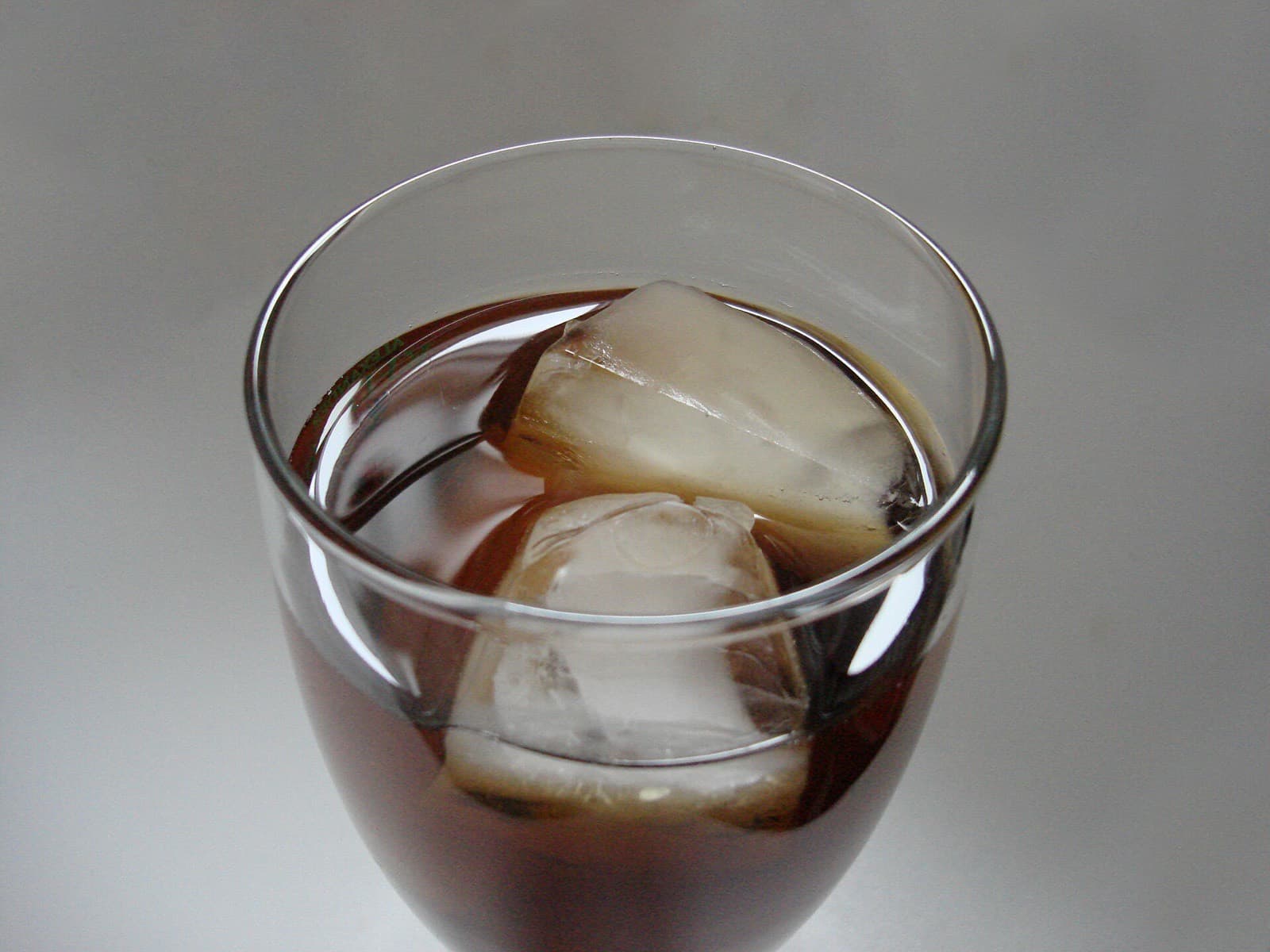
Learning how to make cold brew tea is genuinely one of the easiest things you can do in a kitchen: you combine tea and cold water, wait, and strain. There is no kettle to watch, no timer to babysit, and almost no way to scorch the leaves into bitterness.
The magic is in the slow, cold soak. Instead of blasting the leaves with boiling water, you let cool water pull flavor out gently over several hours. What you get is a rounder, sweeter, lower-acid brew that tastes clean rather than sharp. This is the heart of what we cover across our cold brew tea hub.
Below is the exact method I come back to, plus the small adjustments that make the difference between a watery cup and a pitcher you actually look forward to.
Quick answer
- ✓Use about 1 tablespoon of loose tea (or 1 tea bag) per cup of cold water.
- ✓Steep in the fridge: 6-8 hours for green and white, 8-12 hours for black and herbal.
- ✓No heat needed, so cold brew tastes smoother and less bitter than iced hot tea.
- ✓Strain, refrigerate, and drink within 3-4 days for the best flavor.
What You'll Need
You don't need special gear to make cold brew tea. A jar, jug, or pitcher and a way to strain the leaves is enough.
- Tea: loose-leaf or tea bags. Both work; see our tea bag method if that's all you have.
- Cold, filtered water: filtered tastes cleaner, but tap is fine.
- A container with a lid: a mason jar or a pitcher.
- A strainer or infuser: a fine-mesh sieve, a reusable filter bag, or a built-in infuser basket.
That's the whole list. If you want to make cold brew a regular habit, a dedicated pitcher with a filter compartment makes straining effortless. We rounded up our favorites in the best cold brew tea pitcher guide. New to the idea that leaves steep without heat? Our can you brew tea in cold water explainer covers what actually happens in the jar.
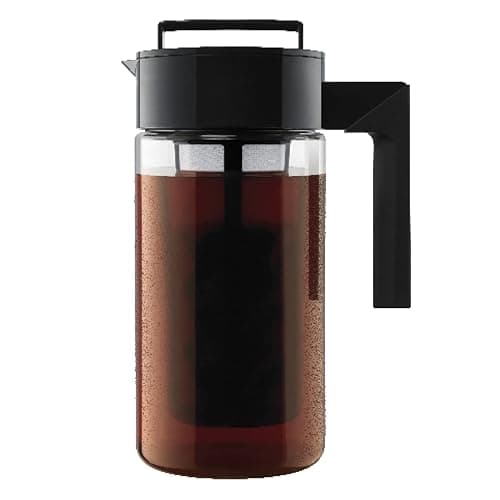
Takeya Deluxe Cold Brew Coffee Maker - BPA-Free Tritan Pitcher
A top-rated pick our readers reach for.
Shop Now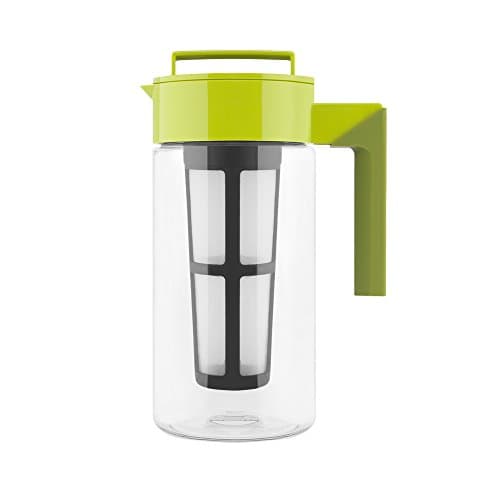
Takeya Flash Chill Iced Tea Maker - Versatile Tea Brewer for
A top-rated pick our readers reach for.
Shop Now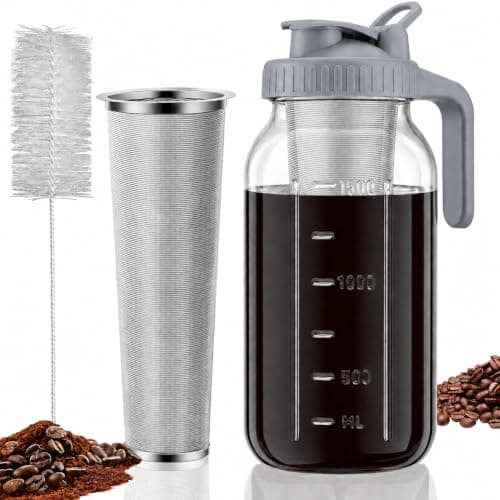
JunVpic Cold Brew Coffee Maker Jar - 64oz Wide
A top-rated pick our readers reach for.
Shop NowProduct prices and availability are accurate as of September 14, 2026 and are subject to change. Any price and availability information displayed on Amazon at the time of purchase will apply.
The 5-Step Method
Here is the core method, start to finish:
- Measure your tea. Use roughly 1 tablespoon of loose leaf (or 1 tea bag) per 8 oz cup of water. For a 1-quart (32 oz) jar, that's about 4 tablespoons or 4 bags.
- Add cold water. Pour filtered cold water over the tea. Give it a gentle stir so every leaf gets wet.
- Cover and refrigerate. Seal the container and put it in the fridge. Cold-steeping in the fridge (not at room temperature) keeps it food-safe.
- Wait. Let it steep 6-12 hours depending on the tea type. Overnight is the easiest schedule: start it before bed, strain it with breakfast.
- Strain and serve. Remove the leaves or bags, pour over ice, and enjoy. Add a lemon slice, mint, or a splash of honey syrup if you like.
That's it. The hardest part is remembering to start it the night before.
Getting the Ratio Right
The tea-to-water ratio is the single biggest lever for flavor. Too little tea and the cup tastes thin; too much and it can turn heavy.
| Batch size | Loose tea | Tea bags |
|---|---|---|
| 1 cup (8 oz) | 1 Tbsp | 1 bag |
| 1 quart (32 oz) | 4 Tbsp | 4 bags |
| Half gallon (64 oz) | 8 Tbsp | 8 bags |
Start at 1 tablespoon per cup and adjust to taste. If you plan to serve over lots of ice, brew it slightly stronger so it doesn't get watered down. For a deeper look at dialing this in, see our full cold brew tea ratio guide.
Water quality matters here too. Since a finished cold brew is mostly water, filtered water gives the cleanest, clearest flavor. If your tap water tastes good to drink, it'll make good tea; if it's heavily chlorinated or very hard, a simple filter pitcher noticeably improves the result. Skip distilled water, which can taste flat, tea benefits from a little natural mineral content. Start with cold water straight from the fridge or tap; there's no need to chill it further before brewing.
How Long to Steep Each Type
Cold water works slowly, so steeping time depends on the tea. Delicate leaves finish faster; robust ones need longer.
- Green and white tea: 6-8 hours. They're delicate and can get grassy if left too long.
- Oolong: 8-10 hours.
- Black tea: 8-12 hours for full body.
- Herbal (hibiscus, mint, rooibos): 8-12 hours; hard to over-steep.
Unlike hot brewing, cold brew is very forgiving. A couple of extra hours rarely ruins it because the cold water never extracts the harsh, bitter tannins that boiling water pulls out. If you want exact windows for every type, our cold brew tea steep time guide breaks it all down.
Cold Brew vs. Just Chilling Hot Tea
People often confuse cold brew with iced tea, but they're made differently. Iced tea is usually brewed hot and then poured over ice. Cold brew never touches heat.
That distinction matters for taste. Hot water extracts more tannins and caffeine quickly, which is why hot-then-chilled tea can taste bitter or cloudy. Cold water extracts fewer tannins, so cold brew stays smooth, clear, and naturally a little sweeter. It's also lower in acidity, which is gentler on sensitive stomachs.
If you're deciding which method to use, our cold brew vs hot brew tea comparison covers the taste, caffeine, and clarity trade-offs side by side.
Which Teas to Try First
Almost any tea makes good cold brew, but a few are especially rewarding when you're starting out:
- Black tea (English Breakfast, Ceylon, Assam): bold, smooth, and low-acid, the classic iced-tea flavor without the bitterness. See cold brew black tea.
- Green tea (sencha, jasmine): sweet, delicate, and refreshing; cold brewing tames the grassiness that hot water brings out. See cold brew green tea.
- Hibiscus and fruit tisanes: caffeine-free, ruby-red, and pleasantly tart, gorgeous over ice.
- Oolong: floral and layered, a lovely change of pace once you've tried the basics.
My advice: begin with a tea you already like hot. If you enjoy a morning black tea, its cold brew version will feel familiar but smoother. Once you're comfortable, branch out into greens, oolongs, and herbal blends, each brings something different to the glass, and the method stays the same.
Serving and Sweetening Ideas
Cold brew tea is delicious straight, but it's also a wonderful base to dress up:
- Citrus: a slice of lemon, lime, or orange brightens almost any cold brew.
- Fresh herbs: mint, basil, or a sprig of rosemary add a refreshing lift.
- Fruit: muddled berries, peach slices, or cucumber turn a glass into something special.
- Sweeteners: because sugar won't dissolve in cold liquid, use a simple syrup or honey syrup (equal parts sweetener and warm water, cooled). Stir in to taste after straining.
For a party, pour cold brew into a punch bowl with sliced fruit and a few tea ice cubes so it won't dilute. Serve tall over ice on a hot afternoon, or gently warmed on a cool evening. For a dozen more ideas, browse our cold brew tea recipes collection, or turn your batch into proper cold brew iced tea.
Common Mistakes to Avoid
A few small slips are behind most disappointing batches:
- Using too little tea. Cold water extracts gently, so under-dosing gives you a pale, weak cup. When in doubt, use a bit more.
- Steeping at room temperature. Always steep in the fridge. Room-temperature steeping invites bacteria over long periods.
- Forgetting to strain on time. Leaving loose leaves in for a full day can eventually turn things bitter, especially green tea. Strain once it's ready.
- Storing it too long. Cold brew is fresh, unpasteurized tea. Drink it within 3-4 days; see how long does cold brew tea last for storage details.
Avoid these four and your cold brew will come out clean and balanced nearly every time.
From our testing notes
In side-by-side tests, a green tea cold-brewed for 8 hours in the fridge tastes noticeably sweeter and less astringent than the same tea steeped hot for 3 minutes and chilled. The cold batch also stays clear rather than turning cloudy, because far fewer tannins are extracted without heat.
Sources & further reading
- CDC — Four Steps to Food Safety (refrigerate perishables within 2 hours; fridge at 40°F or below) (read 2026-09-10)
- Lantano C. et al., 'Effects of alternative steeping methods on composition, antioxidant property and colour of green, black and oolong tea infusions', J Food Sci Technol 2015 (read 2026-09-10)
- Wikipedia: Cold brew (tea and coffee)
- Wikipedia: Tea
Frequently asked questions
Can I use tea bags instead of loose leaf?
Absolutely. Use one standard tea bag per cup of water, the same ratio as loose leaf. Tea bags are actually the easiest option because there's almost nothing to strain, just lift the bags out. The finer leaf inside bags also extracts a little faster, so a bagged batch can be ready slightly sooner. See our dedicated cold brew tea bags method for tips, including easy on-the-go brewing in a water bottle.
Do I need to use hot water to 'bloom' the tea first?
No. True cold brew uses only cold water from start to finish. Some people add a small splash of hot water to help the leaves open, but it isn't necessary and it slightly changes the flavor toward a hot-brewed profile.
How long does cold brew tea take to make?
Most cold brew is ready in 6-12 hours. Green and white teas finish around 6-8 hours; black and herbal teas taste best after 8-12 hours. Overnight in the fridge is the simplest schedule.
Does cold brew tea have less caffeine?
Generally yes, a little. Cold water extracts caffeine more slowly than boiling water, so a cold brew often has somewhat less caffeine than the same tea brewed hot, though the exact amount depends on tea type and steep time. Our cold brew tea caffeine guide has the numbers.
Can I make cold brew tea at room temperature?
It's safest to steep in the refrigerator. Long steeping at room temperature can let bacteria grow in the tea. The fridge keeps it food-safe and the slow, cold extraction is exactly what gives cold brew its smooth taste.
What kind of tea works best for cold brew?
Almost any tea works. Green tea makes a sweet, smooth cup; black tea is bold and low-acid; herbal teas like hibiscus turn out tart and refreshing. Start with a tea you already enjoy hot, since you'll likely enjoy its cold brew version too.
Why is my cold brew weak?
The two usual causes are too little tea or not enough steeping time. Bump up to a full tablespoon (or one bag) per cup and give it a few more hours. Cold extraction is slow and forgiving, so a longer steep rarely hurts.
Can I sweeten cold brew tea?
Yes, but granulated sugar doesn't dissolve well in cold liquid. Use a simple syrup or honey syrup (equal parts sweetener and warm water, cooled) so it blends smoothly. Add it after straining, to taste. Many people find cold brew is naturally sweet enough to enjoy plain, since the gentle cold extraction brings out sweetness while leaving the bitter notes behind. A slice of citrus or a few muddled berries can add flavor without any added sugar at all.
Do I need to stir cold brew while it steeps?
No stirring is required once the leaves are wet, cold extraction happens on its own over the hours. It does help to give the mixture one gentle stir at the start so no dry clumps of leaf float on top. After that, just cover it and let the fridge do the work.
What container is best for making cold brew tea?
Any lidded jar or pitcher works, from a simple mason jar to a purpose-built cold brew pitcher with a filter. A wide mouth makes filling and cleaning easier, and an airtight lid keeps the tea fresh. See our best cold brew tea pitcher picks for straining-free options.