
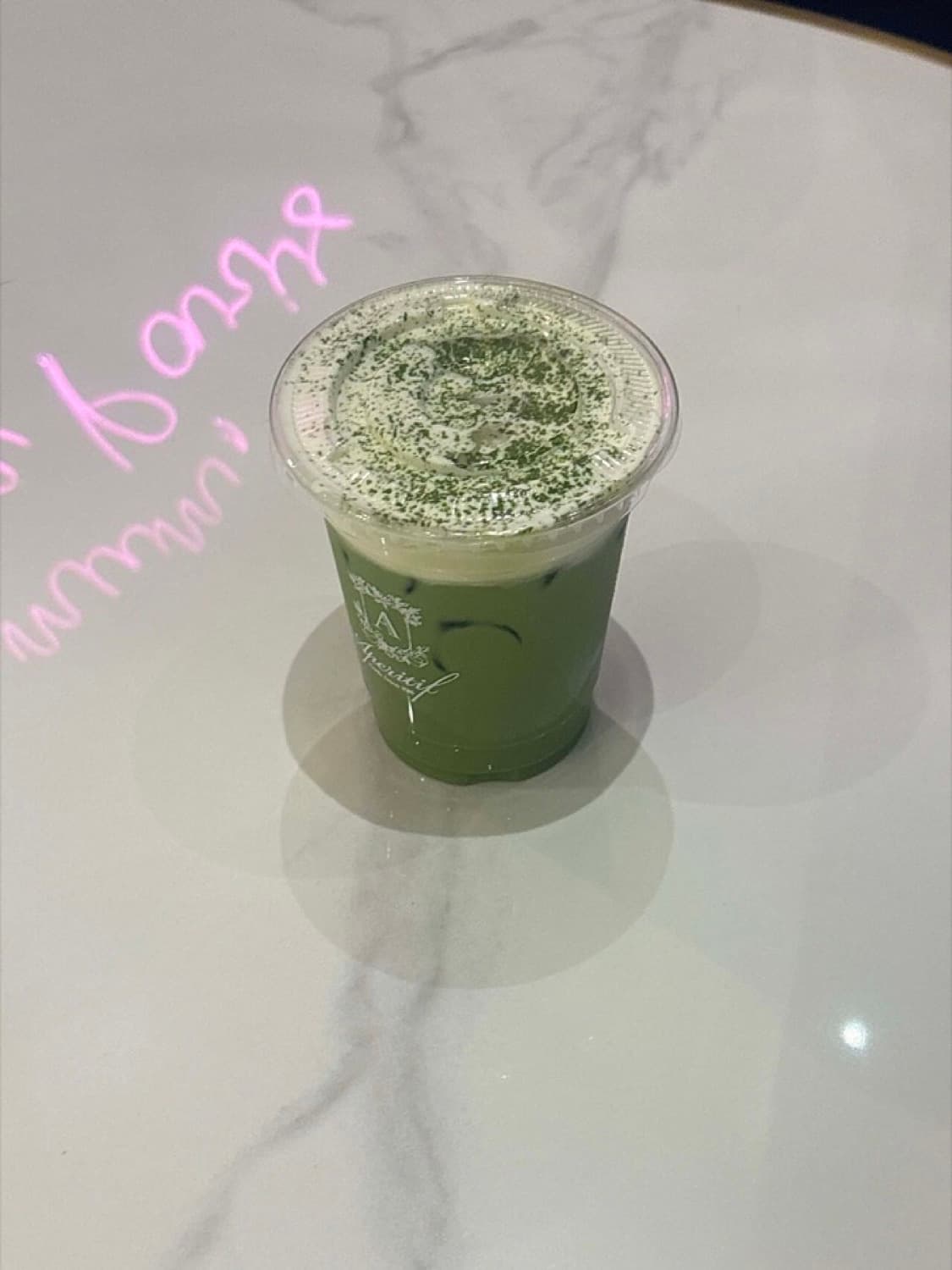
Pour a glass of cold brew green tea and the first thing you notice is what's missing: no grassy sharpness, no drying bitterness, none of the astringency that makes so many people add sugar. Instead it's clean, faintly sweet, and impossibly smooth.
Green tea is famously easy to overcook. A few degrees too hot or a minute too long and hot-brewed green turns bitter fast. Cold brewing sidesteps that entirely. Cool water coaxes out green tea's delicate, vegetal sweetness while leaving the harsh tannins behind.
This is my favorite cold brew to make on a warm afternoon, and it's one of the gentlest introductions to the whole cold brew tea family. Here's the recipe and everything that makes it sing.
Quick answer
- ✓Use 1 Tbsp loose green tea (or 1 bag) per cup of cold water.
- ✓Steep 6-8 hours in the fridge; don't push past 10 or it turns grassy.
- ✓Cold water = sweet and smooth, with none of the bitterness of hot-brewed green.
- ✓Sencha, dragonwell, and jasmine green all cold-brew beautifully.
Why Green Tea Loves Cold Brewing
Green tea is minimally oxidized, which keeps its fresh, grassy, marine-like flavors intact, but also makes it delicate. Those same qualities that make green tea lovely also make it prone to bitterness when it meets hot water.
Here's the science in plain terms: hot water rapidly extracts catechins and tannins, the astringent compounds, along with caffeine. In green tea, that happens fast and easily, which is why it turns bitter so quickly. Cold water extracts these harsh compounds far more slowly, while still drawing out the amino acids (especially L-theanine) responsible for green tea's sweet, savory, umami character.
The result: cold brew green tea tastes like the best version of the leaf, sweet and mellow, with its bitterness dialed almost to zero.
This is also why cold brewing is so beginner-friendly for green tea. Hot-brewing green tea well takes some care, water that's too hot (much above 175°F) scorches the leaves and turns the cup bitter in seconds, which trips up a lot of newcomers. Cold brewing removes that pitfall entirely. There's no temperature to get wrong and a wide, forgiving time window, so even a first attempt comes out smooth. If hot green tea has ever disappointed you, the cold version is often a revelation, same leaves, none of the harshness. If you are wondering whether cold green tea is any different from hot in the first place, can you drink green tea cold covers what changes.
Tea & gear for this guide
Hand-matched Amazon picks with strong owner ratings. As an Amazon Associate, Tea & Peace earns from qualifying purchases.
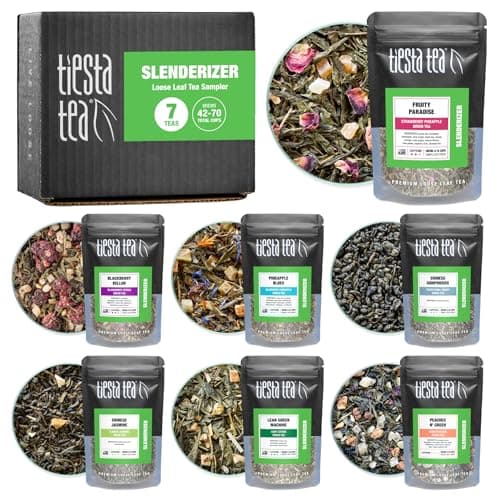
Tiesta Tea - 7 Green Teas Dry Flight Sampler, Loose Leaf, Medium Caffeine
Bright, grassy loose-leaf green tea — 4.6★ across 8,891 ratings.
Shop Now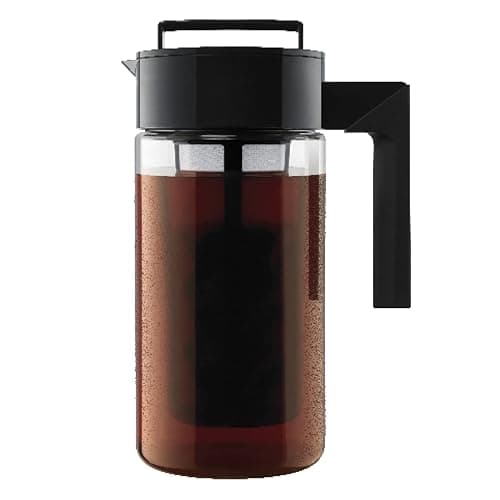
Takeya Deluxe Cold Brew Coffee Maker - BPA-Free Tritan Pitcher with
Airtight brewing pitcher — doubles for cold-brew tea — 4.6★ across 67,470 ratings.
Shop Now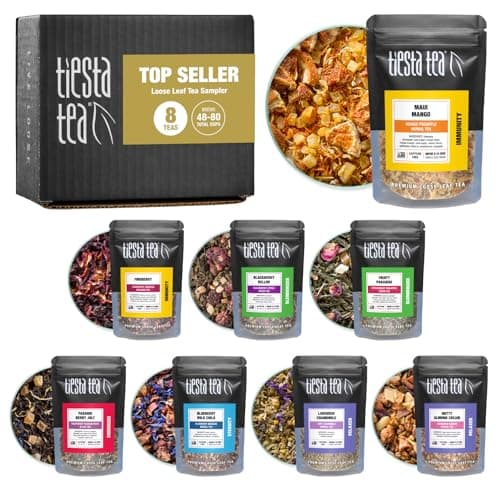
Tiesta Tea - Top 8 Favorites Sampler Set, Loose Leaf, Up to 80 Cups, High
Bright, grassy loose-leaf green tea — 4.6★ across 8,891 ratings.
Shop NowProduct prices and availability are accurate as of September 14, 2026 and are subject to change. Any price and availability information displayed on Amazon at the time of purchase will apply.
The Recipe
This makes a refreshing 1-quart pitcher, enough for a few glasses over ice.
You'll need:
- 4 Tbsp loose-leaf green tea (or 4 green tea bags)
- 4 cups (1 quart) cold, filtered water
- A jar or pitcher with a lid
Method:
- Add the green tea to your pitcher.
- Pour in the cold water and stir gently so all the leaves are submerged.
- Cover and refrigerate for 6-8 hours.
- Taste at the 6-hour mark; when it's sweet and full, strain out the leaves.
- Serve over ice, plain or with a slice of lemon or a few mint leaves.
That's the whole recipe. For exact measurements at other batch sizes, check our cold brew tea ratio chart.
Best Green Teas to Use
Nearly any green tea cold-brews well, but some really shine:
- Sencha: the classic Japanese green, bright and grassy with a clean sweetness. A reliable first choice.
- Dragonwell (Longjing): a Chinese pan-fired green with nutty, chestnut notes and low bitterness, gorgeous cold.
- Jasmine green: scented with jasmine blossoms, it makes a floral, fragrant cold brew that's naturally sweet.
- Gyokuro: a premium shaded green, intensely sweet and umami-rich; a luxurious cold brew if you have it.
Higher-quality loose leaf rewards you with more nuance, but a good bagged sencha or jasmine green still makes an excellent glass. Learn more about the leaf itself in our green tea guide.
Timing: Don't Over-Steep
Green tea is the one cold brew where timing genuinely matters. The sweet spot is 6 to 8 hours in the fridge.
Within that window you get maximum sweetness and smoothness. Push past 10 hours and even cold-brewed green can start to taste more strongly vegetal, a bit like fresh-cut grass or seaweed, which some love and others don't. Past 12 hours, a faint astringency can creep in.
If you're brewing overnight, 8 hours is usually ideal: start it before bed and strain it at breakfast. When in doubt, taste early and strain as soon as it hits the flavor you like. Our cold brew tea steep time guide has the full timing chart.
Flavor Add-Ins
Cold brew green tea is delicious plain, but it's also a fantastic base for light, refreshing variations:
- Lemon or lime: a squeeze brightens the tea and adds a citrus lift.
- Fresh mint: cooling and classic; add a few leaves to the brew or the glass.
- Cucumber slices: subtle and spa-like, perfect for hot days.
- Ginger: a few thin slices add a gentle warmth and zing.
- Honey syrup: if you want sweetness, use a liquid sweetener that dissolves cold.
Go easy, green tea's charm is its delicacy, so you want to accent it, not bury it. For more ideas, browse our cold brew tea recipes collection.
How Much Caffeine Is in Cold Brew Green Tea?
Less than the same leaf brewed hot, but not none. Hot-brewed green tea runs about 12 mg of caffeine per 100 g of brewed tea in the USDA's nutrient database — roughly 28 mg in an 8-ounce cup — and the FDA cites 37 mg for a 12-ounce serving. Cold water extracts caffeine more slowly than hot, so an overnight fridge steep of the same amount of leaf usually lands under those figures, though a long steep with a heavy dose narrows the gap. Cold brewing is a modest reduction, not decaffeination.
Two things move the number more than the temperature does: how much leaf you use and how long it sits. A 12-hour steep at a heavy ratio can match a quick hot cup; a 6-hour steep at the standard ratio will not. If you want a genuinely low-caffeine glass, use the shorter end of the steep range and a slightly lighter dose — or drink the later steeps, since most of the caffeine comes out in the first extraction. For a full comparison across tea types, see cold brew tea caffeine.
On timing: a glass in the morning or early afternoon suits most people. Green tea's caffeine arrives alongside the amino acid L-theanine, which many drinkers find gives a calmer alertness than coffee — a widely reported experience rather than a proven effect. The FDA's general guidance is that up to 400 mg of caffeine a day is not generally associated with negative effects for healthy adults, which leaves a lot of room for cold-brewed green tea.
Cold-Brewed vs Hot-Brewed Green Tea: What Actually Changes
The same leaf gives two recognizably different drinks, and the difference is extraction, not ingredients. A 2015 study in the Journal of Food Science and Technology comparing steeping methods reported that hot infusion has rapid extractive power but degrades some of the leaf's compounds, while cold infusion extracted a higher level of catechins — green tea's signature compounds — with slow kinetics. In the cup, that reads as the pattern every cold-brew drinker notices: less bitterness and astringency, because the tannins that hot water pulls out quickly barely extract in the cold; more of the tea's natural sweetness; and a lighter body.
What cold brewing does not do is turn green tea into a health drink. The National Center for Complementary and Integrative Health's summary is that definite conclusions cannot yet be reached on whether green tea is helpful for most of the purposes it is promoted for, and that no safety concerns have been reported for green tea consumed as a beverage by adults. Drink it cold-brewed because it tastes better without sugar — that part is not in dispute.
If you want to taste the difference for yourself, brew one green tea both ways and chill both: the cold brew vs hot brew tea guide sets up the comparison, and can you drink green tea cold covers what happens when a hot cup simply cools.
Serving Ideas for Warm Days
Cold brew green tea is a blank canvas for light, summery drinks. A few of my favorite ways to serve it:
- Iced green tea lemonade: mix cold brew green tea with fresh lemonade for a bright, thirst-quenching cooler.
- Mint-cucumber cooler: add cucumber ribbons and a few mint leaves to the pitcher for a spa-like glass.
- Green tea spritzer: top a glass of cold brew with a splash of sparkling water for gentle fizz.
- Peach or melon infusion: drop in a few slices of ripe stone fruit an hour before serving for natural sweetness.
- Green tea ice cubes: freeze some of the brew into cubes so your drink never gets watered down.
Because green tea is so delicate, keep add-ins light, you want to complement its sweetness, not cover it. Serve tall over plenty of ice on a hot afternoon. For more inspiration, see our cold brew iced tea recipe and the wider cold brew tea recipes collection.
Storing Your Cold Brew Green Tea
Once strained, keep your cold brew green tea in a sealed container in the fridge. For the freshest, sweetest flavor, drink it within 2 to 3 days, green tea's delicate notes fade faster than heartier black or herbal brews.
A few storage tips:
- Always strain out the leaves before storing, so it doesn't keep extracting and turn grassy.
- Keep it sealed to prevent it from picking up fridge odors.
- If you notice any off smell or fizz, discard it, cold brew is fresh, unpasteurized tea.
For full storage and safety guidance across all cold brews, see how long does cold brew tea last.
From our testing notes
A telling side-by-side: brew sencha hot at a too-high temperature and it turns sharply astringent within seconds, while the same sencha cold-brewed for 8 hours comes out sweet with a soft umami finish and no bite at all. The difference is entirely down to how gently cold water treats the leaf's tannins.
Sources & further reading
- USDA FoodData Central — Beverages, tea, green, brewed, regular (caffeine per 100 g) (read 2026-09-10)
- FDA — Spilling the Beans: How Much Caffeine is Too Much? (37 mg green tea per 12 fl oz; 400 mg/day) (read 2026-09-10)
- Lantano C. et al., 'Effects of alternative steeping methods on composition, antioxidant property and colour of green, black and oolong tea infusions', J Food Sci Technol 2015 (read 2026-09-10)
- NIH National Center for Complementary and Integrative Health — Green Tea (read 2026-09-10)
- Wikipedia: Green tea
- Wikipedia: Theanine
Frequently asked questions
Is cold brew green tea bitter?
No, that's its whole appeal. Cold water leaves behind the tannins that make hot-brewed green tea bitter, so cold brew green tea comes out sweet and smooth. As long as you don't over-steep past 10 hours, bitterness is essentially a non-issue.
How long should I cold brew green tea?
6 to 8 hours in the refrigerator is ideal. Green tea is delicate, so avoid steeping much beyond 10 hours or it can turn grassy. Overnight (around 8 hours) is the easiest and most reliable timing.
Can I use green tea bags for cold brew?
Yes, use one green tea bag per cup of water, the same ratio as loose leaf. Bagged sencha or jasmine green works well and makes straining effortless, just lift the bags out. See our cold brew tea bags method.
Does cold brew green tea still have antioxidants?
Yes, cold-brewed green tea retains the plant compounds green tea is known for, including catechins. Research on exact differences between hot and cold extraction is mixed. Enjoy it as a refreshing beverage rather than a health supplement.
Why does my cold brew green tea taste weak?
Usually too little tea or too short a steep. Use a full tablespoon (or one bag) per cup and give it the full 6-8 hours. Cold water extracts slowly, so under-dosing leaves the cup pale and thin.
Can I cold brew matcha the same way?
Not exactly, matcha is powdered green tea that's whisked or shaken into water rather than steeped and strained. It makes a wonderful cold drink, but the method differs. See our cold brew matcha guide.
How much caffeine is in cold brew green tea?
Green tea is moderately caffeinated, and cold brewing typically extracts a little less caffeine than hot brewing. A glass usually has less than black tea or coffee. Our cold brew tea caffeine page has the details.
What's the best green tea for cold brew?
Sencha and dragonwell are excellent everyday choices, smooth and naturally sweet. Jasmine green adds a lovely floral note, and gyokuro is a luxurious, umami-rich option if you have it. Any green tea you enjoy hot will likely be even smoother cold-brewed.
Can I sweeten cold brew green tea?
Yes, but use a liquid sweetener like simple syrup or honey syrup, since granulated sugar won't dissolve in cold liquid. Add it after straining, to taste. Many people find cold brew green tea sweet enough to drink plain.
Can I reuse the green tea leaves for a second batch?
You can try, but a second cold brew from the same leaves will be noticeably weaker and less sweet. If you do, add a bit more time or a few fresh leaves. For the best flavor, start with fresh tea each batch.
What water should I use for cold brew green tea?
Filtered water is best, since green tea's delicate flavor shows off (or hides) water quality. Avoid distilled water, which can taste flat, tea benefits from a little natural mineral content. Good-tasting tap water is perfectly fine if you don't have a filter.
Is cold brew green tea good for hot summer days?
Wonderfully so. It's light, sweet, and thirst-quenching without any bitterness, and it stays clear rather than turning cloudy over ice. Serve it tall with lemon or mint, or turn it into a green tea lemonade. It's one of the most refreshing drinks you can make at home, and because you brew a whole pitcher at once, it's ready to pour all afternoon.
Can I cold brew green tea in advance for the week?
Brew it in batches of two to three days rather than a full week. Cold brew green tea holds its sweetness and aroma well for about 72 hours refrigerated, then slowly flattens — still safe, just noticeably duller. If you want a week of tea with one session, brew a stronger concentrate and dilute each glass with cold water as you pour; the concentrated form holds character a little longer than a ready-to-drink batch.