
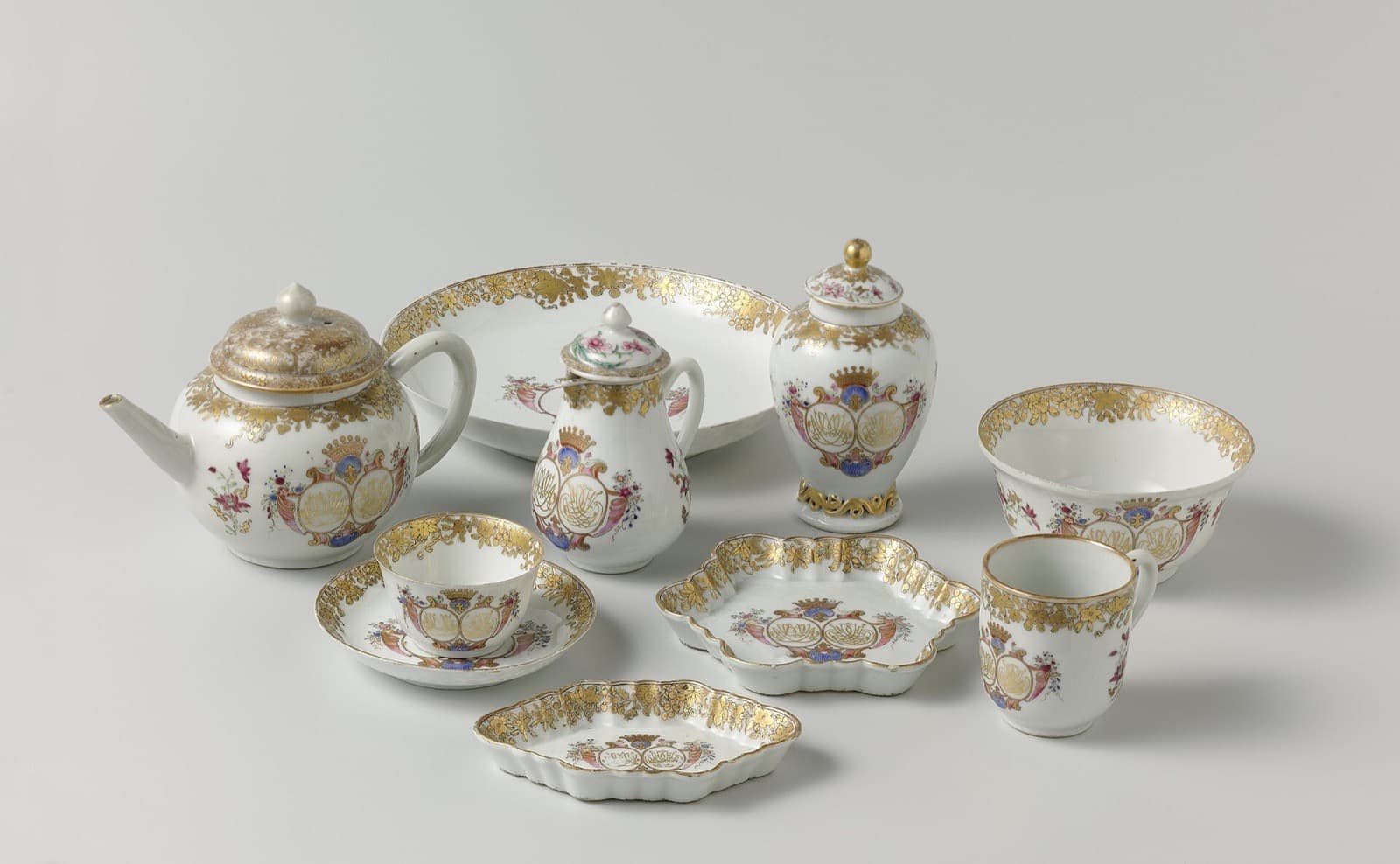
Choosing between Chinese tea brands can be bewildering: some are centuries-old state-linked houses famous across China, some are supermarket names you'll spot in any Asian grocery, and some are modern Western-facing specialists that ship single-origin leaf worldwide. They serve very different purposes, and knowing which is which saves you money and disappointment.
This guide is an honest map of the landscape. We'll cover the big traditional Chinese brands, the specialist online sellers that tea hobbyists trust, and — most importantly — how to judge quality yourself, because with Chinese tea, the region, grade, and freshness usually matter more than any label on the tin.
Big traditional Chinese brands
These are the household names within China — large, established companies you'll find in supermarkets and airports across the country and in Chinese grocery stores abroad. They're reliable, widely available, and a fine everyday choice, though connoisseurs often graduate to specialist sellers for top-grade single-origin tea.
- Ten Fu's Tea (Tenfu, 天福茗茶) — one of China's largest tea retailers, with a huge range across all six types and a strong retail presence. A safe, consistent everyday brand.
- Tea companies under the China Tea (Zhong Cha / 中茶) umbrella — a long-established state-linked name associated especially with pu-erh and a broad catalog.
- Dayi (Taetea / 大益) — the most famous pu-erh brand, from the historic Menghai Tea Factory in Yunnan; its recipes (like the classic 7572 shou) are benchmarks in the pu-erh world.
- Xiaguan (下关) — another storied pu-erh maker known for its tuo (nest-shaped) cakes.
For pu-erh specifically, Dayi and Xiaguan are genuinely respected, not just big — a good place to start with the category covered in our pu-erh tea guide.
Tea & gear for this guide
Hand-matched Amazon picks with strong owner ratings. As an Amazon Associate, Tea & Peace earns from qualifying purchases.
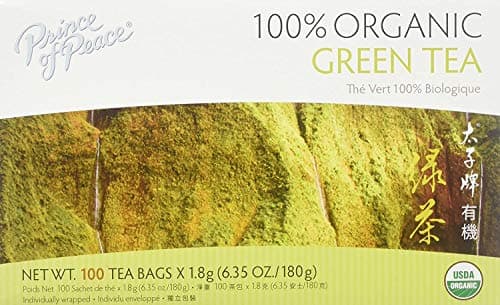
Prince of Peace Organic Green Tea (Pan-Fired), 100 Bags
Classic Chinese green tea — pan-fired, Longjing, gunpowder or jasmine
Shop Now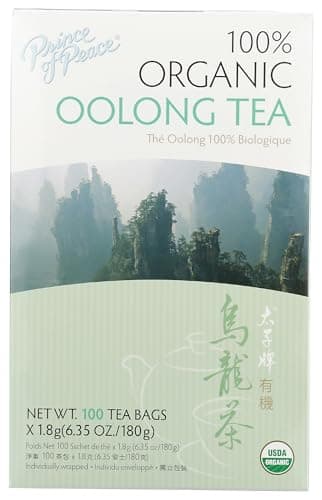
Prince of Peace Organic Oolong Tea, 100 Bags
Partially oxidized oolong with layered flavor
Shop Now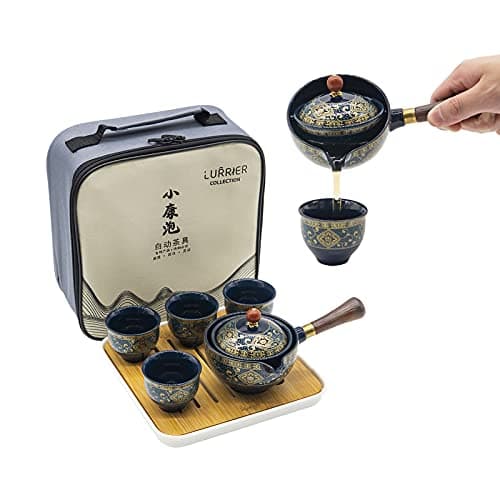
LURRIER Porcelain Gongfu Tea Set with Rotating Tea Maker
Gongfu tea set for traditional Chinese brewing
Shop NowProduct prices and availability are accurate as of October 11, 2026 and are subject to change. Any price and availability information displayed on Amazon at the time of purchase will apply.
Specialist online sellers tea lovers trust
Once you care about harvest year, region, and grade, Western-facing specialist vendors become the most useful 'brands.' These aren't mass manufacturers so much as curators who source directly and describe their tea in detail. Reputations shift over time, so treat this as a starting map rather than gospel, but names frequently recommended in the hobbyist community include:
- Yunnan Sourcing — enormous selection, especially pu-erh, with detailed listings and its own house cakes.
- White2Tea — a curated pu-erh and tea focus with a strong following.
- Teavivre and Adagio Teas — beginner-friendly range, clear descriptions, samples, and reliable shipping.
- Verdant Tea and Bitterleaf Teas — single-origin and small-batch focus.
What these sellers share is transparency: they'll tell you the region, cultivar, harvest year, and often the farmer. That information is worth far more than a brand name alone. Many also sell inexpensive sample sizes, which is the smartest way to explore types of Chinese tea without committing to a whole cake or tin.
What each type is known for — and which brands fit
Rather than loyalty to one brand, experienced buyers match the source to the tea type, because different regions and specialists excel at different things.
| Tea type | Look for | Notes |
|---|---|---|
| Green (Longjing, Bi Luo Chun) | Fresh spring harvest, named origin | Buy fresh; specialists beat supermarket tins — see Chinese green tea |
| Oolong (Tieguanyin, Da Hong Pao) | Anxi and Wuyi sources | Specialists and good Chinese brands both work — see Chinese oolong tea |
| Black / hong cha (Keemun, Dianhong) | Anhui, Yunnan origin | Very forgiving; many brands do it well — see Chinese black tea |
| Pu-erh | Dayi, Xiaguan, Yunnan Sourcing, White2Tea | Brand and year genuinely matter here |
| Herbal / floral | Any reputable seller | Freshness over brand — see Chinese herbal tea |
The pattern: for pu-erh, brand and vintage carry real weight; for most other types, freshness, region, and grade matter more than the label.
How to judge a Chinese tea brand's quality
Because 'Chinese tea' spans everything from gas-station bottles to collectible cakes, the smartest skill is judging quality yourself rather than trusting a name. A few reliable signals:
- Do they name the origin? Good sellers state the specific region (e.g., West Lake Longjing, Wuyi Da Hong Pao), not just 'green tea.'
- Do they list the harvest year? Freshness is critical for green and lightly-oxidized teas; vintage matters for pu-erh. Vagueness here is a red flag.
- Whole leaf or dust? Photos of whole, intact leaves suggest higher grade than broken fragments and powder.
- Do they sell samples? Vendors confident in their tea usually offer small sizes so you can try before buying big.
- Is the pricing sane? Suspiciously cheap 'aged' pu-erh or 'authentic' Da Hong Pao is almost always neither. Real top-grade tea isn't bargain-bin priced.
Apply these and you can shop confidently from almost any seller — the checklist matters more than brand loyalty.
One more habit worth building: read how a seller talks about tea. The good ones describe flavor honestly ("brisk, a little astringent, best with cooler water") rather than drowning every listing in superlatives and health claims. A vendor who admits a tea is an everyday drinker rather than calling everything "imperial grade" is usually the one you can trust with your money.
Where to buy, and how to start
You have three broad routes, each with a place:
- A local Chinese grocery — great for affordable everyday brands like Ten Fu, and for herbal and floral teas. Perfect for stocking a daily green or black tea cheaply.
- A specialist online vendor — the best route for single-origin, graded, and pu-erh tea, with the transparency and samples that help you learn.
- A local tea shop — if you're lucky enough to have one, tasting before buying and getting a real person's guidance is invaluable.
A sensible first order from a specialist: a small Longjing, a Tieguanyin, a Dianhong, and a ripe pu-erh sample. That quartet spans four of the six types and teaches your palate the landscape for very little money. Pair it with a simple gaiwan or a starter Chinese tea set and you're properly equipped.
A word on subscriptions and sampler boxes: several specialists offer monthly clubs or curated 'discovery' sets, and these are a genuinely good way to taste widely without committing to full sizes. Just check what you're getting — a good sampler names each tea's type, origin, and year, while a weaker one hides generic blends behind pretty packaging. Used well, a sampler box is like a guided tour through the six types, letting your palate — not a marketing label — decide what you'll reorder in quantity.
A quick word on authenticity and hype
Chinese tea has more than its share of marketing mystique — 'imperial tribute tea,' impossibly aged pu-erh, single mother-bush Da Hong Pao. Some of it is real and rare; much of it is storytelling wrapped around ordinary leaf. Keep a friendly skepticism.
The genuinely famous, protected teas (real West Lake Longjing, authentic Wuyi rock tea, mother-bush Da Hong Pao) exist in tiny quantities and command high prices, so anything cheap claiming those exact origins is almost certainly a same-style tea from elsewhere — which can still be delicious and honest if labeled fairly. Buy for taste, not for the legend on the label. As always at Tea & Peace, the goal isn't collecting trophies; it's finding a cup you genuinely enjoy and returning to it. Trust your own palate over any brand's story.
From our testing notes
A practical buying tip that outperforms brand-chasing: when comparing two sellers of the 'same' tea (say, Tieguanyin), put their product pages side by side and count the specifics. One might list only 'Tieguanyin Oolong, 100g'; the other lists the village (Anxi), the harvest season, the oxidation level, and offers a 10g sample. Nine times out of ten the detailed listing is the better tea and the more honest seller — specificity is the single most reliable quality signal across all Chinese tea brands.
Sources & further reading
Frequently asked questions
What are the most famous Chinese tea brands?
Within China, big names include Ten Fu's Tea (Tenfu), China Tea (Zhong Cha), and, for pu-erh, Dayi (Taetea) and Xiaguan. Among Western-facing specialists, Yunnan Sourcing, White2Tea, Teavivre, and Adagio are widely recommended by hobbyists for single-origin tea.
What is the best Chinese tea brand for beginners?
For everyday tea, a big brand like Ten Fu from a Chinese grocery is easy and affordable. For learning about quality single-origin tea, a specialist like Teavivre or Adagio that sells small samples and describes origin clearly is ideal — you can try several types cheaply before committing.
Which brand is best for pu-erh?
Dayi (Taetea), from the historic Menghai Tea Factory, is the benchmark pu-erh brand, and Xiaguan is another respected name. For selection and transparency, specialists like Yunnan Sourcing and White2Tea are trusted by pu-erh enthusiasts. With pu-erh, the brand and vintage genuinely matter.
Are expensive Chinese tea brands worth it?
Sometimes. Genuinely rare teas (real West Lake Longjing, mother-bush Da Hong Pao) are expensive because they're scarce. But price isn't a guarantee of quality, and plenty of mid-priced single-origin tea is excellent. Judge by origin, freshness, and taste rather than price alone.
How can I tell if a Chinese tea is authentic?
Look for specific origin details, a stated harvest year, whole intact leaves, and sane pricing. Vague labels ('green tea,' no region, no year) and suspiciously cheap 'aged' or 'imperial' teas are red flags. Reputable sellers are transparent about where and when the tea was made.
Where can I buy authentic Chinese tea?
A local Chinese grocery is great for affordable everyday brands and herbal teas; specialist online vendors are best for single-origin and pu-erh with detailed sourcing; and a local tea shop lets you taste before buying. For premium single-origin tea, specialists usually beat supermarket tins.
Is supermarket Chinese tea any good?
It's perfectly fine for everyday drinking, especially reliable brands like Ten Fu, and for herbal and floral infusions. It just won't reach the freshness and grade of specialist single-origin tea. Use the grocery for daily cups and specialists when you want to explore quality.
Should I buy loose leaf or bagged from these brands?
Loose leaf is almost always better — most fine Chinese teas aren't sold in bags at all, and loose leaf lets you re-steep and see the leaf quality. Bags are convenient but usually contain lower grades. See our loose leaf tea guide for why.
What's the difference between a tea brand and a tea region?
A brand is the company selling the tea; a region is where it's grown (like West Lake for Longjing or Wuyi for rock oolong). For Chinese tea, region and grade often tell you more about quality than the brand does — the same brand may sell tea from many regions and grades.
Do Chinese tea brands ship internationally?
Many specialists (Yunnan Sourcing, White2Tea, Teavivre, Adagio and others) ship worldwide and are set up for international buyers with English listings. Large domestic Chinese brands are often easiest to find through Asian grocery stores abroad or their own export channels.
How much should I spend to start?
Very little. A handful of sample-sized single-origin teas from a specialist — a green, an oolong, a black, and a ripe pu-erh — costs modestly and teaches you the landscape. Buy small, taste widely, then invest in the styles you love rather than a big tin of one guess.
Is it safe to buy Chinese tea from online marketplaces?
It's fine with a little care. The reliable signals are specificity and traceability: a named region or mountain, a stated harvest season, and a vendor who answers questions about processing. Vague listings — "premium Chinese tea, 500g" with no origin — are usually blended bulk leaf at a markup. Buying a small sample before committing to a large tin costs little and tells you more than any review. Established specialist retailers generally beat generic marketplace sellers on both freshness and honesty.