
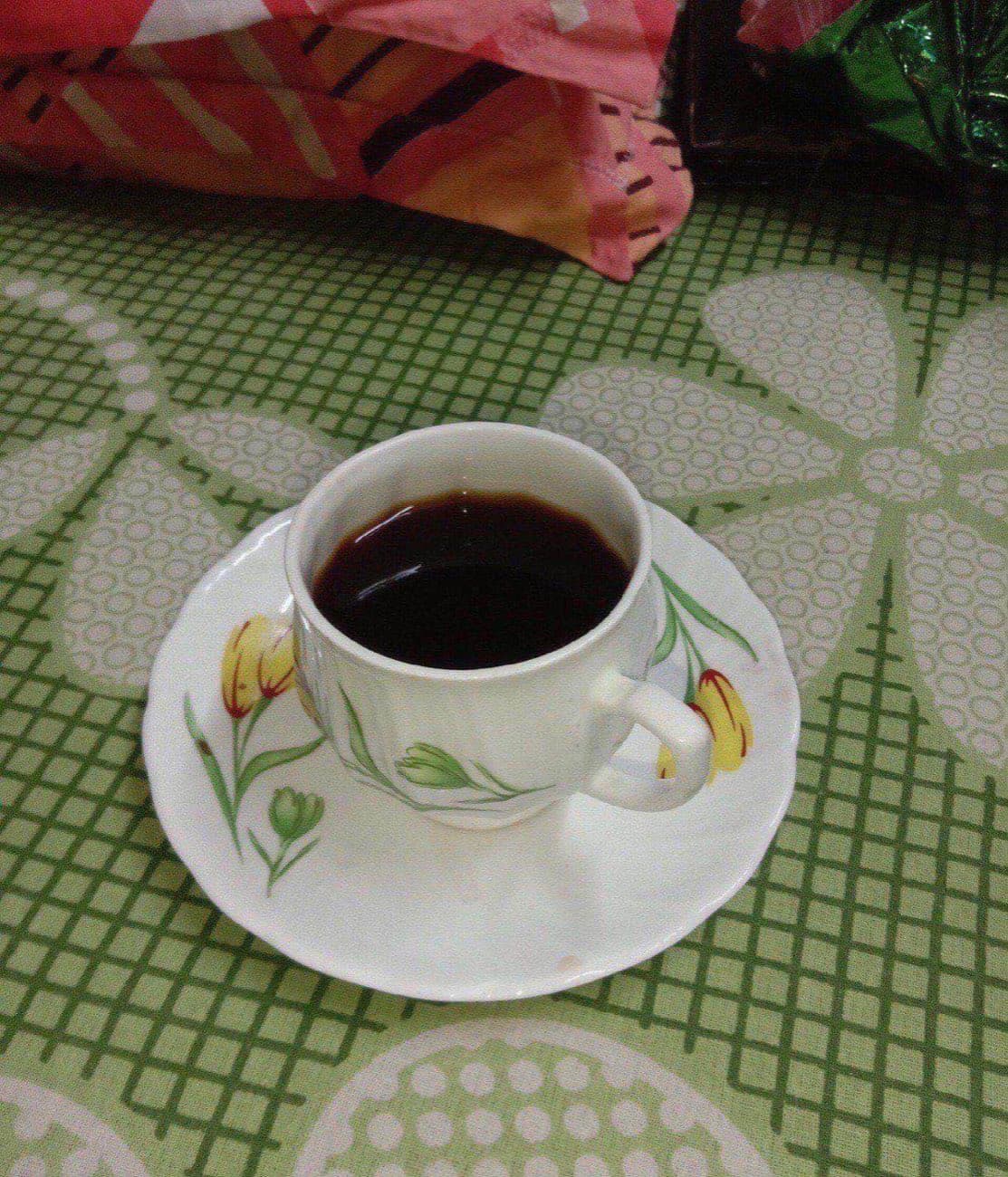
Fully oxidized, deeply sweet, and almost impossible to brew badly, Chinese black tea is where a lot of people should start their journey into Chinese tea — even though it's the type Westerners already think they know. In China it isn't called black at all: it's hong cha (红茶), "red tea," named for the bright reddish-amber color it brews in the cup.
China invented black tea, and it still makes some of the finest in the world. Three names anchor the category: Keemun, the elegant Anhui tea at the heart of many English Breakfast blends; Dianhong, the rich, golden-tipped black tea of Yunnan; and Lapsang Souchong, the pine-smoked original from the Wuyi Mountains. This guide covers all three, plus how to brew hong cha for its natural sweetness.
Quick answer
- ✓'Black tea' in the West = hong cha ('red tea') in China. Don't confuse it with China's separate 'dark tea' (hei cha / pu-erh).
- ✓Chinese black tea is fully oxidized, making it naturally sweet, malty, and very forgiving to brew.
- ✓Keemun, Dianhong, and Lapsang Souchong are the three benchmark varieties.
- ✓Brew with near-boiling water; unlike green tea, hong cha rarely turns bitter.
Why the Chinese call it 'red tea'
The naming trips up almost everyone. In the English-speaking world, we named this tea for the dark, near-black color of the dried leaves. In China, tea is named for the color of the liquor — the brewed cup — which for this type is a glowing red-amber. So what you call black tea, China calls hong cha, red tea.
This matters because China has a genuinely different category it calls hei cha — "dark tea" — which is post-fermented and includes pu-erh tea. If you order "black tea" (translated literally) in China expecting your usual breakfast brew, you might get something aged and earthy instead. When shopping for the malty, sweet tea most Westerners mean, look for hong cha. It's one of the six types of Chinese tea.
Tea & gear for this guide
Hand-matched Amazon picks with strong owner ratings. As an Amazon Associate, Tea & Peace earns from qualifying purchases.
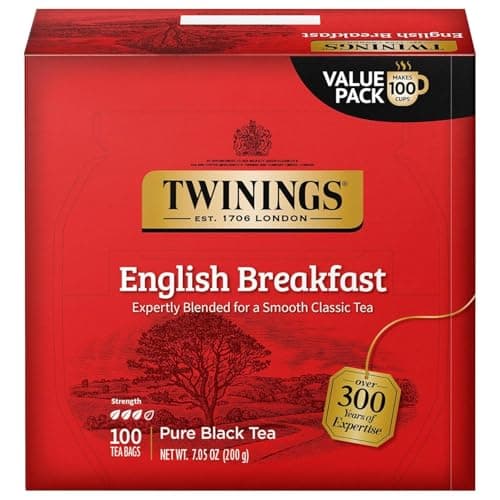
English Breakfast Black Tea
Brisk, malty black tea for hot or iced — 4.8★ across 20,190 ratings.
Shop Now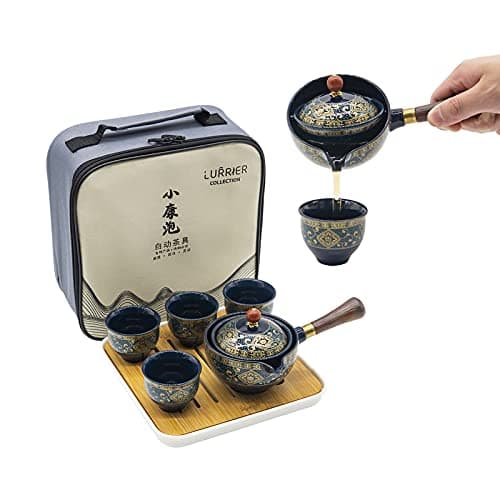
LURRIER Porcelain Chinese Gongfu Tea Set,Portable Teapot Set with 360
Gongfu tea set for traditional Chinese brewing — 4.6★ across 1,436 ratings.
Shop Now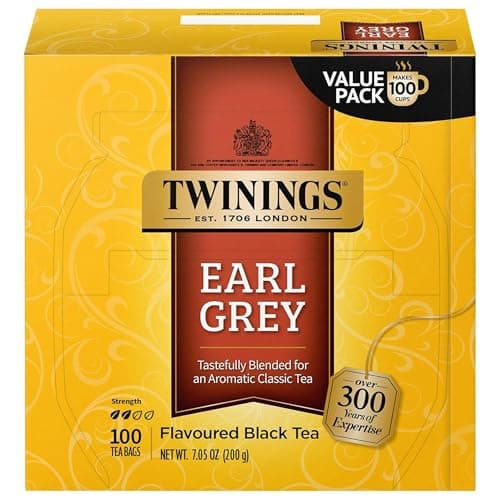
Earl Grey Black Tea
Brisk, malty black tea for hot or iced — 4.7★ across 13,032 ratings.
Shop NowProduct prices and availability are accurate as of September 17, 2026 and are subject to change. Any price and availability information displayed on Amazon at the time of purchase will apply.
How Chinese black tea is made
Black tea is fully oxidized, and the process is what gives it that dark leaf and sweet, malty depth. After picking, the leaves go through four main stages:
- Withering — the fresh leaves are laid out to lose moisture and soften.
- Rolling — the leaves are rolled or twisted to bruise them and rupture cells, releasing the juices that drive oxidation.
- Oxidation — the rolled leaves rest in a warm, humid environment, turning from green to coppery brown as they react with oxygen. This is where the malt, fruit, and honey notes develop.
- Drying / firing — heat halts oxidation and dries the leaf for storage.
Because the leaf is fully oxidized, the enzymes are exhausted and the tea is stable — Chinese black tea keeps far longer than green tea and travels well, which is exactly why it dominated the historical tea trade to Europe.
Keemun (Qimen): the elegant one
Keemun, from Qimen County in Anhui, is one of the world's great black teas and a signature component of traditional English Breakfast blends. It's a relatively young tea by Chinese standards — created in the late 19th century — but it earned fame quickly for its refinement.
Good Keemun has thin, tightly twisted dark leaves and a distinctive aroma sometimes described as "Keemun fragrance": floral, faintly smoky, with notes of cocoa, dried fruit, and even a wine-like quality. It's smoother and less brisk than many Indian or Sri Lankan black teas, which makes it lovely on its own without milk. Brew it near boiling for a sweet, mellow, orchid-and-cocoa cup.
Dianhong: Yunnan's golden black tea
Dianhong ("Yunnan red") comes from Yunnan, the same province that gives us pu-erh and, arguably, the ancestral home of the tea plant itself. It's a comparatively modern tea, developed in the 20th century, and it's prized for its richness.
The best grades are full of golden downy tips — a sign of young, tippy leaves — and brew into a bright, deep red cup that's malty, honeyed, and sometimes touched with cocoa or sweet potato. Dianhong is bold without being harsh, holds up beautifully to multiple short gongfu infusions, and is one of the most crowd-pleasing Chinese black teas for newcomers. If you like a robust morning cup, this is your tea.
Lapsang Souchong: the smoky original
Lapsang Souchong, from the Wuyi Mountains in Fujian, is widely considered the original black tea — the style from which all others descend. Its most famous versions are dried over smoldering pinewood fires, giving the leaves an unmistakable smoky, resinous, campfire aroma that people tend to either adore or find overwhelming.
Beneath the smoke, a good Lapsang is smooth and subtly sweet, with notes of dried longan fruit. It's worth knowing that unsmoked or lightly-smoked versions exist too (sometimes sold as Zheng Shan Xiao Zhong), and premium grades emphasize the tea over the smoke. If the bold smoked style isn't for you, don't write off the category — try a lighter one.
How to brew Chinese black tea
Hong cha is the most forgiving of the six types, which is great news for beginners. Because it's fully oxidized, it rarely turns bitter, so you have room to experiment. Two solid approaches:
Western style (a mug or pot):
- About 1 teaspoon (2–3 g) per 8 oz of water.
- Near-boiling water, 195–212°F (90–100°C).
- Steep 2–4 minutes to taste.
Gongfu style (gaiwan or small pot):
- 5–6 g per 100 ml.
- Near-boiling water.
- Short steeps starting at 10–20 seconds, extending each round; expect 5–8 infusions from good leaf.
Most Chinese black teas are excellent plain — the sweetness and malt don't need milk or sugar, though Keemun and Dianhong both take a splash of milk gracefully if you prefer. For a smooth, low-acid iced version, hong cha also makes a superb cold brew black tea.
Chinese black tea vs Indian and Ceylon black tea
If your reference point for black tea is Assam, Darjeeling, or Ceylon, Chinese hong cha will feel noticeably different. Broadly:
| Chinese black tea | Indian/Ceylon black tea | |
|---|---|---|
| Body | Medium, smooth | Often fuller, brisker |
| Astringency | Low | Higher (Assam), variable |
| Typical notes | Malt, cocoa, honey, fruit | Malt (Assam), muscatel (Darjeeling), citrus (Ceylon) |
| With milk? | Fine plain; takes milk well | Often designed for milk |
| Re-steeps well? | Yes, especially gongfu | Usually one strong steep |
Neither is better — they're different traditions. Chinese black teas tend to reward drinking neat and re-steeping, while many South Asian black teas are built to stand up to milk in a single strong cup. Trying them side by side is the fastest way to taste the difference. See our general black tea guide for the wider world of the category.
Buying good Chinese black tea
A few pointers for shopping well:
- Look for whole, twisted leaves rather than broken dust; golden tips are a good sign in Dianhong.
- Note the origin. Real Keemun comes from Qimen, Anhui; Dianhong from Yunnan; Lapsang from Wuyi, Fujian.
- Decide on smoke. If buying Lapsang, check whether it's smoked or unsmoked so you get the style you want.
- Freshness matters less than for green tea — black tea keeps well for a year or two if stored airtight and away from odors and light — but fresher is still brighter.
Buy from a specialist that lists region and grade. For trusted sellers, see our roundup of Chinese tea brands.
Where Chinese black tea fits in your routine
Chinese black tea is the natural everyday cup: a sweet, warming Dianhong in the morning, an elegant Keemun in the afternoon, a smoky Lapsang on a cold evening. It has caffeine — generally the most of the lighter Chinese types, though still less than most coffee per cup — and its smoothness makes it easy to drink through the day.
As always, tea is a beverage to enjoy, not a health remedy; drink what tastes good to you and mind your caffeine before bed. If you want the calm-ritual side of tea rather than the wake-up side, our guide to a daily tea ritual and the homepage at Tea & Peace lean into the unhurried, restorative version of the tea habit.
From our testing notes
A helpful benchmark when tasting Chinese black teas side by side: brew Keemun and Dianhong at the same near-boiling temperature and steep time, and note how differently 'malty' expresses itself. Keemun reads as cocoa, orchid, and dried fruit with a wine-like edge; Dianhong reads as honey, sweet potato, and bright malt. Same category, same water, two clearly distinct flavor signatures — a reminder that 'black tea' is a spectrum, not a single taste.
Sources & further reading
Frequently asked questions
What is Chinese black tea called?
It's called hong cha (红茶), which literally means 'red tea,' named for the reddish-amber color of the brewed liquor. It's the same category Westerners call black tea — fully oxidized — just named for the cup rather than the dried leaf.
Is Chinese black tea the same as pu-erh?
No. Chinese black tea (hong cha) is fully oxidized and sweet-malty. Pu-erh belongs to a separate category, 'dark tea' (hei cha), which is post-fermented and aged, with an earthy character. The naming is confusing because 'black' and 'dark' sound similar in English.
What are the most famous Chinese black teas?
Keemun (Qimen) from Anhui, known for its cocoa-and-orchid elegance; Dianhong from Yunnan, rich and golden-tipped; and Lapsang Souchong from Fujian, often pine-smoked. Keemun is a classic base for English Breakfast blends.
Does Chinese black tea have more caffeine than green tea?
Generally a bit more, since it's fully oxidized, though the amount depends heavily on the specific tea, the leaf, and how you brew it. All true teas contain caffeine. If caffeine is a concern, brew lighter or drink it earlier in the day.
Why does Lapsang Souchong taste smoky?
Traditional Lapsang Souchong is dried over smoldering pinewood fires in the Wuyi Mountains, which infuses the leaves with a distinctive smoky, resinous aroma. Unsmoked versions exist too, so check the description if you prefer the tea's natural fruit-and-honey notes without the smoke.
How do I brew Chinese black tea?
Use near-boiling water, about 195–212°F. Western-style, use roughly 1 teaspoon per 8 oz and steep 2–4 minutes. Gongfu-style, use more leaf in a small vessel with short steeps. Because it's fully oxidized, it rarely turns bitter and is very forgiving.
Should I add milk to Chinese black tea?
You can, but many Chinese black teas are best enjoyed plain to appreciate their natural sweetness and complexity. Keemun and Dianhong both take a splash of milk gracefully if you prefer a creamier cup, while delicate or smoky styles are usually better neat.
Can I re-steep Chinese black tea?
Yes, especially good loose-leaf hong cha brewed gongfu-style, which can give five to eight infusions. Western-style in a mug, you'll typically get one strong cup and a weaker second. Whole leaves re-steep better than broken tea or dust.
How long does Chinese black tea stay fresh?
Because it's fully oxidized and stable, it keeps well for about one to two years stored airtight, cool, dark, and away from strong odors. It's far less perishable than green tea, though fresher tea still tastes brighter and more aromatic.
Is Chinese black tea good for cold brew?
Very. Cold brewing hong cha with cool water over several hours produces a smooth, naturally sweet, low-acid iced tea with little bitterness. Dianhong and Keemun both cold brew beautifully — see our cold brew black tea approach on the homepage hub.