
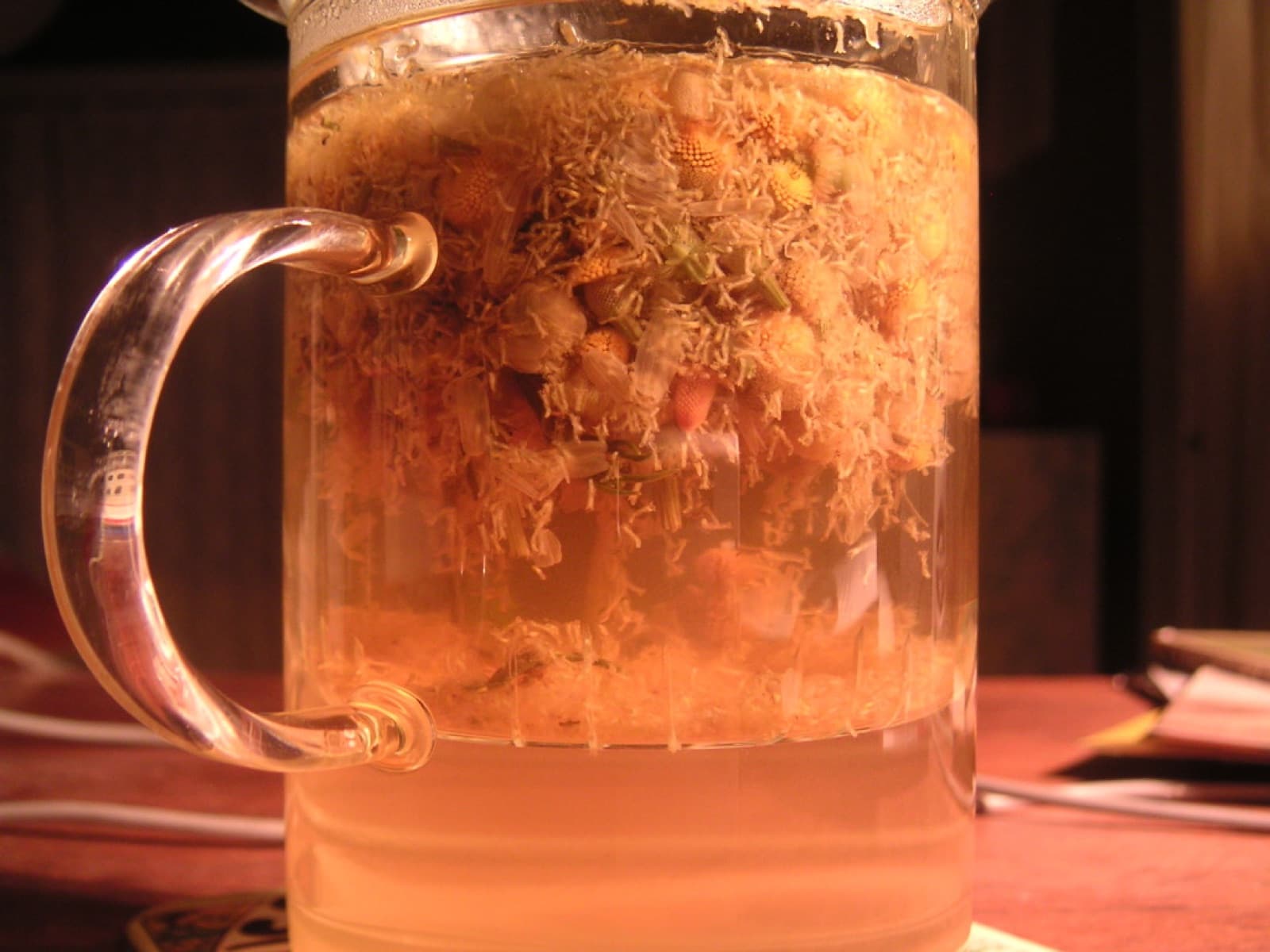
Making cold brew with cold brew tea bags is about as simple as beverages get: drop a few bags into cold water, put it in the fridge overnight, and lift the bags out in the morning. No straining, no special equipment, no mess.
If loose-leaf cold brew feels fussy, tea bags are your shortcut. Because the bag holds the leaves, you skip the one slightly annoying step of cold brewing entirely, fishing out wet tea leaves. You just pull the string.
The results are excellent, too. Bagged cold brew is smooth, low in bitterness, and every bit as refreshing as the loose-leaf version. Here's exactly how to do it, part of our complete cold brew tea guide.
Why Tea Bags Are the Easiest Route
The whole appeal of cold brewing tea bags comes down to convenience:
- No straining. The bag contains the leaves, so cleanup is lifting bags into the trash.
- Built-in portioning. One bag holds roughly 2 grams of tea, which conveniently matches one cup of water, so the ratio is done for you.
- No gear needed. No infuser, filter, or fine-mesh sieve, just a jar or pitcher.
- Widely available. You can cold brew whatever's already in your cupboard.
There's a small trade-off: bagged tea is often more finely broken than whole loose leaf, so premium nuance can be slightly muted. But for everyday iced tea, the ease is hard to beat. If you want to compare, our loose-leaf walkthrough is in how to make cold brew tea.
There's also a hidden upside to that finer leaf: it extracts a little faster and more completely in cold water, so bagged cold brew can reach full flavor slightly sooner than whole loose leaf. The bag itself does the work of a filter, holding the leaf together while still letting water flow through every particle. That combination, quick extraction plus no straining, is exactly why so many people who "don't have time" for cold brew discover it's genuinely effortless once they try tea bags. If you are starting from ordinary bags and wondering whether cold water will extract them at all, can you brew tea in cold water answers that first; for purpose-made bags, see our best cold brew tea bags picks.
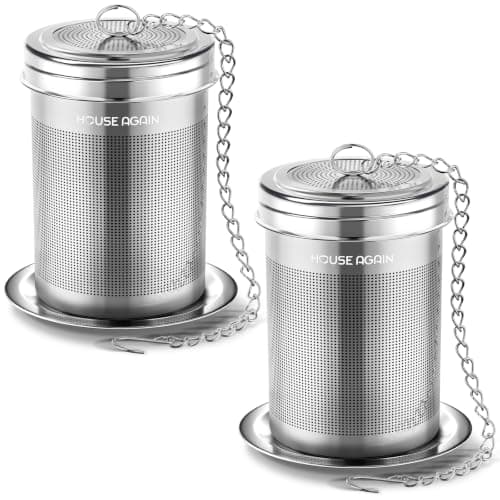
HOUSE AGAIN Tea Infuser, Extra Fine Mesh Tea Infusers for Loose
A top-rated pick our readers reach for.
Shop Now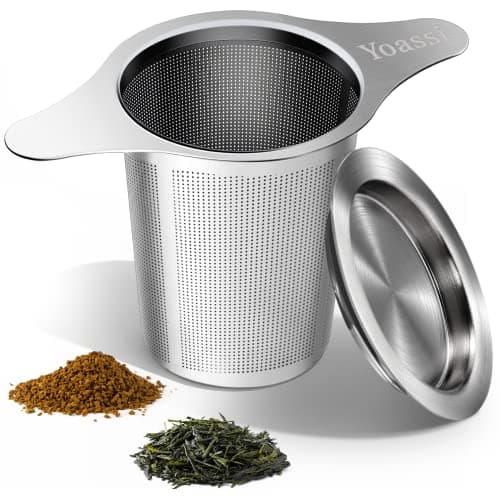
Extra Fine 18/8 Stainless Steel Tea Infuser Mesh Strainer with
A top-rated pick our readers reach for.
Shop NowProduct prices and availability are accurate as of September 14, 2026 and are subject to change. Any price and availability information displayed on Amazon at the time of purchase will apply.
What Kind of Water to Use
Because cold brew has so few ingredients, water quality shows up in the glass more than you might expect. Two-thirds of a cup of cold brew is, after all, just water.
Filtered water is ideal. It's clean and neutral, letting the tea's flavor come through clearly. If your tap water tastes good on its own, it'll make good cold brew; if it's heavily chlorinated or hard, a simple pitcher filter makes a noticeable difference.
Avoid distilled water. It's too "empty" and can make tea taste flat, tea actually benefits from a little natural mineral content.
Temperature matters too. Start with cold water straight from the fridge or tap. There's no need to use ice water, but the colder the start, the more classically smooth the extraction.
This small detail is easy to overlook, yet switching to filtered water is often the single quickest upgrade to a bagged cold brew that tastes slightly "off." The same principle applies whether you use bags or follow our loose-leaf how to make cold brew tea method.
The Ratio: How Many Bags
The rule couldn't be simpler: one tea bag per cup (8 oz) of cold water.
| Water | Tea bags |
|---|---|
| 2 cups (16 oz) | 2 bags |
| 1 quart (32 oz) | 4 bags |
| Half gallon (64 oz) | 8 bags |
| 1 gallon (128 oz) | 16 bags |
If you like a bolder cup or plan to serve over lots of ice, add an extra bag or two so melting ice doesn't dilute the flavor. Family-size or pitcher tea bags each hold more tea, so use fewer, one pitcher bag typically replaces about four regular bags. Our full cold brew tea ratio guide covers all the sizes.
Step-by-Step
Here's the whole method, start to finish:
- Add the bags. Drop the right number of tea bags into a clean jar or pitcher.
- Pour cold water. Fill with cold, filtered water. Let the bags sink or push them under.
- Cover and chill. Seal and refrigerate. Steep 6-8 hours for green or white, 8-12 hours for black or herbal.
- Lift out the bags. Gently squeeze them against the side for a little extra strength if you like, then discard.
- Serve. Pour over ice, add lemon, mint, or sweetener to taste.
That's genuinely it. Start a pitcher before bed and you'll have cold, ready-to-drink tea by morning. For timing by tea type, see our cold brew tea steep time chart.
Best Tea Bags for Cold Brewing
Almost any tea bag cold-brews well. Some categories to reach for:
- Black tea bags (English Breakfast, Ceylon, orange pekoe): make bold, smooth, low-acid iced tea, the classic choice.
- Green tea bags (sencha, jasmine): sweet and delicate; steep on the shorter side.
- Herbal and fruit bags (hibiscus, berry, mint, chamomile): caffeine-free and colorful, great for evenings.
- Family-size / pitcher bags: designed for exactly this, one big bag per pitcher.
A quick note on materials: paper and cotton bags are ideal. If your bags are made of plastic-based mesh, that's fine for cold brewing too, though many people prefer plant-based or paper bags. Whatever you have on hand will make a good glass.
Loose Leaf vs. Tea Bags for Cold Brew
Both make excellent cold brew, but they suit different priorities.
Tea bags win on convenience. No straining, no measuring, no mess, just drop, chill, and lift. They're perfect for beginners, offices, travel, or anyone who wants iced tea with zero fuss. The pre-portioned bags also make the ratio automatic.
Loose leaf wins on nuance. Whole loose-leaf teas, especially premium ones, often have more complex, layered flavors than the finely broken leaf inside standard bags. If you're chasing the fullest expression of a single-origin sencha or a fine oolong, loose leaf rewards the small extra effort.
For most everyday drinking, though, the gap is small and the convenience is large. Many people keep both on hand: bags for quick weekday pitchers, loose leaf for weekend experiments. If you want to try the loose-leaf route, our how to make cold brew tea guide walks through it, and a pitcher with a built-in filter (see best cold brew tea pitcher) makes loose leaf nearly as easy as bags.
Creative Tea Bag Combinations
One underrated perk of tea bags is how easy they make blending. Because each bag is self-contained, you can mix and match to invent your own cold brews:
- Black + mint: classic and cooling, like a Moroccan-style iced tea.
- Green + jasmine + a slice of lemon: floral and bright.
- Hibiscus + berry: tart, fruity, and a stunning ruby color.
- Rooibos + vanilla or chai spice: caffeine-free and dessert-like.
- Peach black tea + fresh ginger: a summer-porch favorite.
Just combine the bags in your pitcher, add cold water, and steep as usual. Start with a 2:1 ratio of your base tea to the accent, then adjust to taste. This mix-and-match freedom makes tea bags a fun gateway into the wider world of cold brew tea recipes without any special ingredients.
Cold Brew Tea Bags On the Go
One of the quiet joys of the tea-bag method is how portable it is. Because there's nothing to strain and no loose leaf to manage, you can cold-brew almost anywhere.
A few ways to put that to use:
- Water bottle brewing: drop a bag or two into a reusable water bottle, fill with cold water, and let it steep in your bag or car cooler. By afternoon you have fresh iced tea, no plastic bottle required.
- Office fridge: start a jar with a couple of bags before you leave one day; it's ready when you arrive the next.
- Camping and travel: tea bags weigh nothing and need no equipment. Any bottle of cold water becomes a cold brew vessel.
- Single-serve prep: brew one bag in a cup of water in the fridge overnight for a perfectly portioned morning glass.
This grab-and-go flexibility is exactly why tea bags are so many people's entry point into cold brewing. Once you're hooked, you can graduate to a dedicated pitcher, our best cold brew tea pitcher picks make bigger batches just as easy.
Troubleshooting and Tips
A few small things keep bagged cold brew consistently good:
- Too weak? Add a bag or extend the steep by a couple of hours. Cold water extracts slowly, so more time or more tea both help.
- Bags floating dry on top? Give the pitcher a gentle stir or press the bags under after pouring, so they fully hydrate.
- Want it stronger without bitterness? Add more bags rather than steeping much longer, extra bags boost flavor without over-extracting.
- Serving over ice? Brew a little stronger, or freeze some brewed tea into cubes so melting doesn't dilute it.
Store your finished cold brew sealed in the fridge and enjoy within 3-4 days. See how long does cold brew tea last for the full storage rundown.
From our testing notes
A handy calibration: most standard tea bags contain about 2 grams of tea, which is almost exactly one tablespoon of loose leaf and the right amount for one 8-ounce cup of water. That's why the 1-bag-per-cup rule scales so cleanly from a single glass up to a full gallon.
Sources & further reading
Frequently asked questions
How many tea bags do I need to cold brew a pitcher?
For a standard 1-quart (32 oz) pitcher, use 4 regular tea bags, one per cup of water. For a half gallon, use 8. If you use family-size or pitcher-size bags, one typically covers a whole quart on its own.
How long do I cold brew tea bags?
6-8 hours for green and white tea, 8-12 hours for black and herbal. Overnight in the fridge is the easiest schedule. Lift the bags out once it reaches the strength you like, then refrigerate.
Should I squeeze the tea bags when I take them out?
A gentle squeeze adds a touch more strength and flavor. Just don't wring them hard, especially with green tea, since that can release extra bitter compounds. A light press against the side of the pitcher is plenty.
Can I cold brew with any kind of tea bag?
Yes, black, green, white, oolong, and herbal tea bags all cold-brew beautifully. Match the steep time to the type: shorter for delicate greens, longer for black and herbal. Whatever's in your cupboard will work.
Is cold brew with tea bags as good as loose leaf?
For everyday drinking, yes, it's smooth, refreshing, and far easier. Loose leaf can offer a little more nuance with premium teas, but bagged cold brew is excellent and far more convenient. Compare in how to make cold brew tea.
Do I need to use hot water first with tea bags?
No. True cold brew uses only cold water from start to finish, which is what keeps it smooth and low in bitterness. Just drop the bags into cold water and refrigerate, no hot start needed.
Are plastic tea bags safe for cold brewing?
Cold brewing involves no heat, so concerns tied to hot water and plastics are less relevant here. Still, many people prefer paper, cotton, or plant-based bags. Use whichever type you're comfortable with, all will make a good cold brew.
How much caffeine is in cold brew from tea bags?
It depends on the tea, black has more than green, and herbal has none. Cold brewing generally extracts a bit less caffeine than hot brewing, though a long overnight steep narrows that gap. Using more bags raises both flavor and caffeine. See our cold brew tea caffeine guide for numbers by type.