
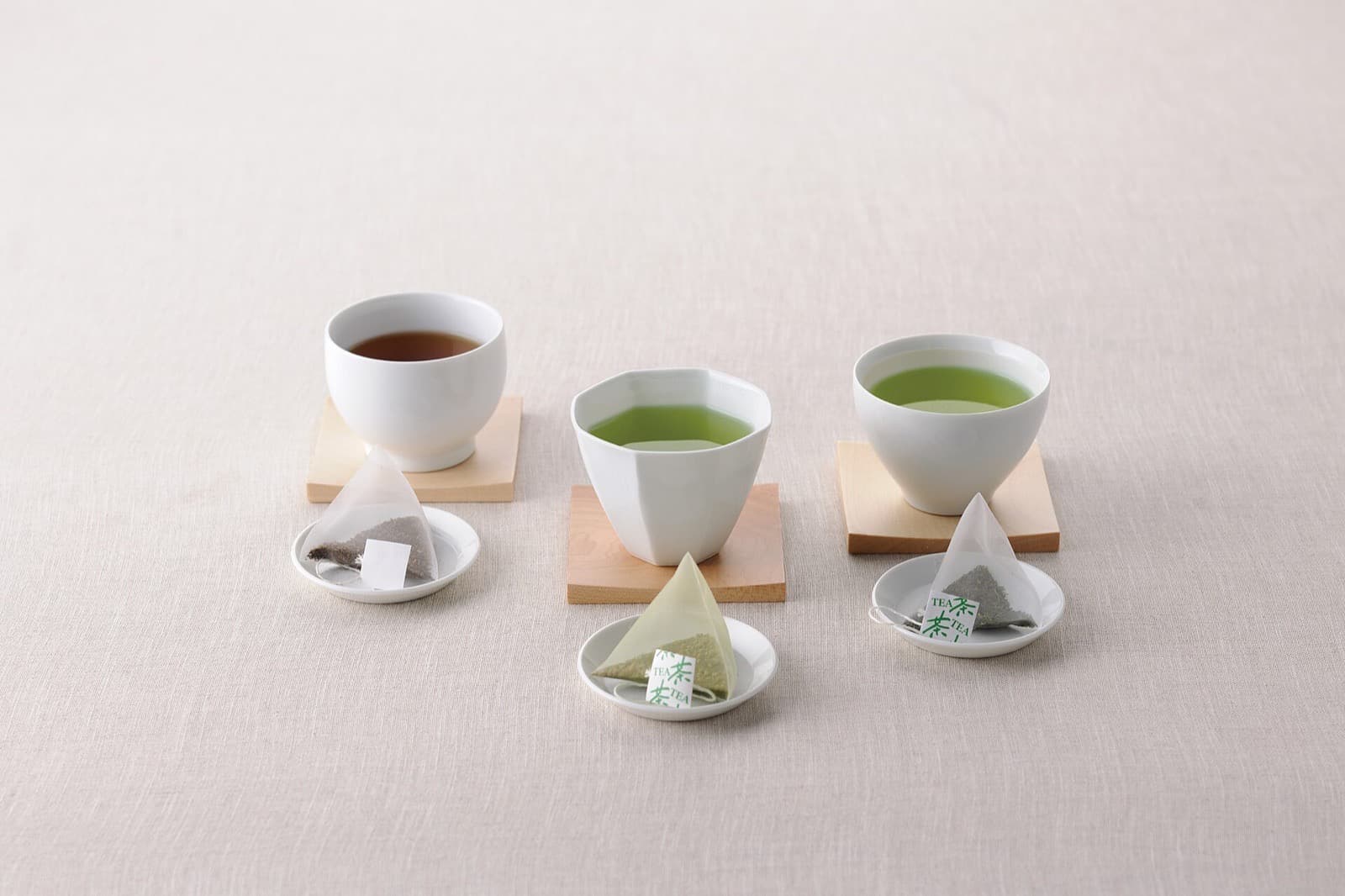
The cold brew vs hot brew tea debate really comes down to one thing: temperature, and everything that flows from it. Hot brewing uses heat to extract flavor in minutes; cold brewing uses time and cold water to do it slowly over hours.
That difference shapes taste, caffeine, acidity, and even how clear your finished tea looks. Neither method is universally "better", they're suited to different moments. Hot brew is fast and comforting; cold brew is smooth, low-acid, and perfect for iced drinks.
This comparison lays the two methods side by side so you can pick the right one for your cup. It's part of our broader cold brew tea resource.
Side-by-Side Comparison
Here's how the two methods stack up across the factors that matter most:
| Factor | Cold brew | Hot brew |
|---|---|---|
| Brew time | 6-12 hours | 3-5 minutes |
| Water temp | Cold / room | Near-boiling |
| Taste | Smooth, sweeter, mellow | Fuller, brighter, can be sharp |
| Bitterness | Very low | Higher if over-steeped |
| Acidity | Lower | Higher |
| Caffeine | Usually lower | Usually higher |
| Clarity | Clear | Can go cloudy when chilled |
| Effort | Hands-off, plan ahead | Quick, on demand |
In short: hot brew wins on speed and intensity, cold brew wins on smoothness and iced-tea quality. The rest of this guide unpacks each row.
It's worth saying up front that this isn't a contest with a single winner. The two methods are really answering two different questions. Hot brewing asks, "How do I get a flavorful cup right now?" Cold brewing asks, "How do I get the smoothest possible glass, with a little patience?" Depending on the day, the tea, and whether you want it hot or iced, either answer can be the right one. Keep that framing in mind as you read, the goal is to know when to reach for each, not to crown one method best.
Tea & gear for this guide
Hand-matched Amazon picks with strong owner ratings. As an Amazon Associate, Tea & Peace earns from qualifying purchases.

Tiesta Tea - 6-Pack Cold Brew Variety, Loose Leaf, Medium to Non
Tea made for smooth, low-bitterness cold brewing — 4.6★ across 8,891 ratings.
Shop Now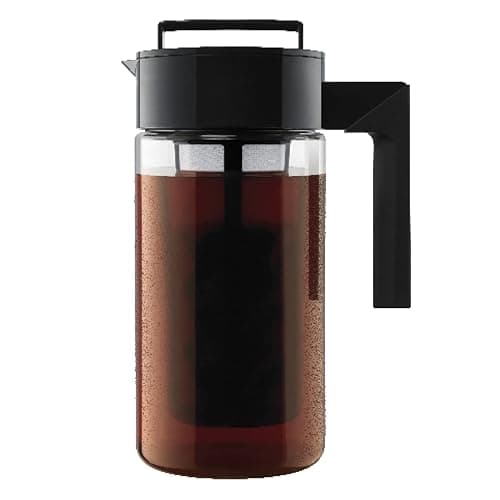
Takeya Deluxe Cold Brew Coffee Maker - BPA-Free Tritan Pitcher with
Airtight brewing pitcher — doubles for cold-brew tea — 4.6★ across 67,470 ratings.
Shop Now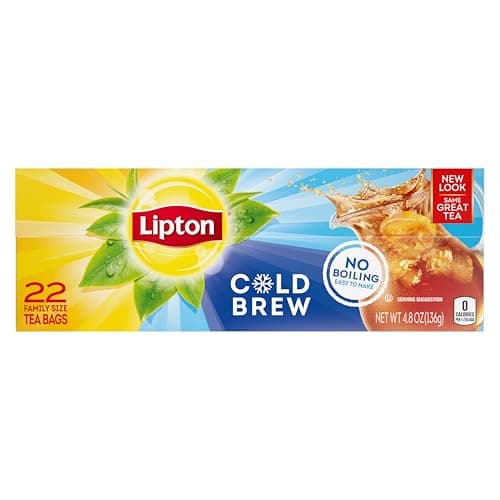
Lipton Cold Brew Iced Tea Bags, Family Size Zero Calories, Easy-To-Make
Tea made for smooth, low-bitterness cold brewing — 4.8★ across 2,206 ratings.
Shop NowProduct prices and availability are accurate as of September 14, 2026 and are subject to change. Any price and availability information displayed on Amazon at the time of purchase will apply.
Taste and Bitterness
Heat is aggressive. Boiling water rapidly pulls out tannins, the compounds responsible for astringency and bitterness, along with all the flavor. Brew hot tea a minute too long and you'll taste it as a dry, sharp edge on the tongue.
Cold water is gentle. It extracts the sweeter, more aromatic compounds while leaving most of the bitter tannins behind. The result is a rounder, naturally sweeter cup that many people find they can drink without any sugar at all.
This is the single biggest reason people fall in love with cold brew. A cold brew green tea, for example, comes out smooth and sweet where the same leaves brewed hot and chilled can taste grassy and tannic. If bitterness has ever put you off iced tea, cold brew is the fix.
Caffeine Differences
Caffeine dissolves faster in hot water than cold, so hot brewing generally extracts more caffeine in less time. A cup of cold brew tea usually lands somewhat lower in caffeine than the same tea brewed hot, though the gap depends on tea type and steep length.
That said, cold brew's long steep time partly closes the gap. A black tea steeped cold for 12 hours can still deliver a meaningful caffeine kick, just extracted more gradually. Because the caffeine comes with less bitterness, cold brew can feel smoother even at similar levels.
If caffeine content matters to you, whether you're chasing energy or avoiding it, our cold brew tea caffeine guide breaks down the numbers by tea type and steep time.
Acidity, Clarity, and Health Angle
Cold brewing extracts fewer acids and tannins, so the finished tea is lower in acidity. Many people with sensitive stomachs find cold brew easier to enjoy than hot-brewed tea for exactly this reason.
Clarity is another visible difference. Hot-brewed tea that's chilled often turns cloudy, a phenomenon called "tea cream" caused by tannins and caffeine binding as the tea cools. Cold brew skips this because it extracts far fewer of those compounds, so it stays crystal clear.
On the health side, both methods produce tea rich in the same beneficial plant compounds, and research on the exact antioxidant differences is mixed. Tea is a beverage to enjoy, not a treatment; if you have specific health questions, talk to a qualified professional rather than relying on brewing method.
Common Myths, Cleared Up
A few misconceptions come up again and again in the cold-versus-hot conversation. Worth clearing them up:
"Cold brew is just weak iced tea." Not so. Cold brew can be every bit as flavorful, it's simply smoother and less astringent. Strength comes from the tea-to-water ratio and steep time, not the temperature.
"You have to bloom the leaves with hot water first." You don't. True cold brew uses only cold water start to finish, and adding a hot splash actually pushes the flavor toward a hot-brewed, more tannic profile.
"Cold brew has no caffeine." False, it has caffeine, usually a little less than hot brew, but a strong black tea cold brew still delivers a real lift.
"Hot brewing is always faster and therefore better." Faster, yes; better, only sometimes. For a single warm cup, hot wins. For a smooth pitcher of iced tea, cold brew's hands-off ease is hard to beat.
Understanding these clears the path to using each method for what it genuinely does best.
Time, Effort, and Convenience
The most obvious practical difference is time. Hot brewing is instant gratification: heat water, steep a few minutes, done. Cold brewing asks for patience, 6 to 12 hours, which means planning ahead.
But cold brew wins on total effort once you reframe it. There's no kettle to heat, no timer to watch, and almost no risk of ruining a batch. You spend 60 seconds combining tea and water, walk away, and return to finished tea. For a whole pitcher, that's dramatically less hands-on work than brewing and chilling cup after cup of hot tea.
Cold brew also fits a make-ahead lifestyle. Start a batch before bed and you wake up to a fridge full of iced tea ready for the whole day, no mid-afternoon kettle break required. Hot brew, by contrast, is unbeatable when you want a single warm cup right now and don't want to wait. Think of it as fast-and-immediate versus slow-and-effortless.
Cost and Waste
Both methods use the same inexpensive ingredient, tea and water, so neither is meaningfully pricier per glass. But there are small efficiency differences worth noting.
Cold brewing tends to use tea leaves fully in a single long steep, and because it resists bitterness, you can sometimes get a light second batch from the same leaves. Hot brewing extracts fast and hard, so leaves are often spent after one or two infusions. Making a large cold-brew pitcher at once is also more energy-efficient than boiling water repeatedly for individual hot cups.
Either way, home brewing of any kind is far cheaper and lower-waste than buying bottled iced tea or café drinks. A pitcher of cold brew costs pennies and skips the plastic bottle entirely.
Which Should You Choose?
It depends on the moment:
- Choose hot brew when you want tea now, you love a bold, bright cup, or you're drinking it warm. It's also better for teas meant to be savored hot, like a delicate first-flush or a ceremonial brew.
- Choose cold brew when you want iced tea, you're sensitive to bitterness or acidity, or you like to prep ahead. A pitcher made overnight gives you cold, ready-to-pour tea all day.
Many tea drinkers use both, hot in the morning, cold brew waiting in the fridge for the afternoon. There's no wrong answer, they're two tools for two different cravings. If you're leaning toward cold, start with our how to make cold brew tea step-by-step guide and the right cold brew tea ratio. If you want the fastest possible iced tea, our cold brew iced tea recipe is the place to begin. For the plain yes-or-no version of this comparison, see can you brew tea in cold water.
From our testing notes
A clear demonstration: brew one glass of black tea hot and chill it, and cold-brew another from the same leaves. Within an hour of chilling, the hot-brewed glass often clouds over while the cold-brewed one stays transparent. Side by side, the cold batch also tastes distinctly sweeter and less drying.
Sources & further reading
- Lantano C. et al., 'Effects of alternative steeping methods on composition, antioxidant property and colour of green, black and oolong tea infusions', J Food Sci Technol 2015 (read 2026-09-10)
- FDA — Spilling the Beans: How Much Caffeine is Too Much? (per 12 fl oz: green tea 37 mg, black tea 71 mg, coffee 113–247 mg; 400 mg/day guidance) (read 2026-09-10)
- CDC — Four Steps to Food Safety (refrigerate perishables within 2 hours; fridge at 40°F or below) (read 2026-09-10)
- Wikipedia: Cold brew
- Wikipedia: Tannin
- Wikipedia: Iced tea
Frequently asked questions
Is cold brew tea healthier than hot brewed tea?
Both are healthy, everyday beverages made from the same leaves. Cold brew is lower in acidity and bitterness, which some people find gentler, but claims that one is dramatically healthier than the other aren't well established. Both retain the same beneficial plant compounds tea is known for. Enjoy whichever you prefer; tea is a drink to savor, not a substitute for medical advice, so raise any health questions with a qualified professional.
Does cold brew tea really have less caffeine?
Usually a bit less, because cold water extracts caffeine more slowly than hot water. The difference varies by tea and steep time, and a long cold steep of black tea can still be fairly caffeinated. See our cold brew tea caffeine page for specifics.
Why does my hot-brewed iced tea turn cloudy but cold brew doesn't?
Cloudiness ("tea cream") happens when tannins and caffeine, extracted heavily by hot water, bind together as the tea cools. Cold brew extracts far fewer of these compounds, so it stays clear even over ice. That's a big reason cold brew makes prettier iced tea.
Can I just chill hot tea instead of cold brewing?
You can, and that's traditional iced tea, but it tastes different: brighter, sometimes sharper, and often cloudier. Cold brewing gives a smoother, sweeter, clearer result. Both are valid; cold brew simply trades speed for smoothness.
Is cold brew tea less bitter?
Yes, noticeably. Cold water leaves most bitter tannins behind, so cold brew tastes rounder and sweeter. This is especially obvious with green tea, which can turn harsh when brewed hot but stays smooth cold-brewed.
Which method is better for making a big batch of iced tea?
Cold brew, in most cases. It's hands-off, stays clear, and resists bitterness even in large quantities. Make a pitcher overnight and you'll have smooth cold brew iced tea ready to pour all day.
Does cold brew tea taste weaker than hot brewed tea?
Not weaker, just smoother. Cold brew extracts fewer sharp, astringent notes, so it can taste mellower, but a properly dosed pitcher is full-flavored. If yours tastes thin, use more tea or steep longer, not hotter. Our cold brew tea ratio guide helps you dial it in.
Can I reheat cold brew tea to drink it warm?
You can gently warm cold brew, and it'll taste pleasant and smooth, though slightly different from tea brewed hot from the start. If you mainly want warm tea, hot brewing is the better route. Cold brew shines served cold over ice.
Is cold brew tea better for a sensitive stomach?
Many people find it easier on the stomach because cold brewing extracts less acid and fewer tannins than hot brewing, making for a gentler, less astringent drink. That said, everyone is different, and tea isn't medical advice. If you have ongoing digestive concerns, check with a healthcare professional.
Do cold and hot brewing use different teas?
No, you can use the same teas for both. Any tea you enjoy hot will make good cold brew, it'll just taste smoother and sweeter. The method changes the character of the cup, not which leaves you need. Start with a tea you already like and try it both ways, tasting them side by side is the fastest way to feel the difference between the two methods for yourself.