
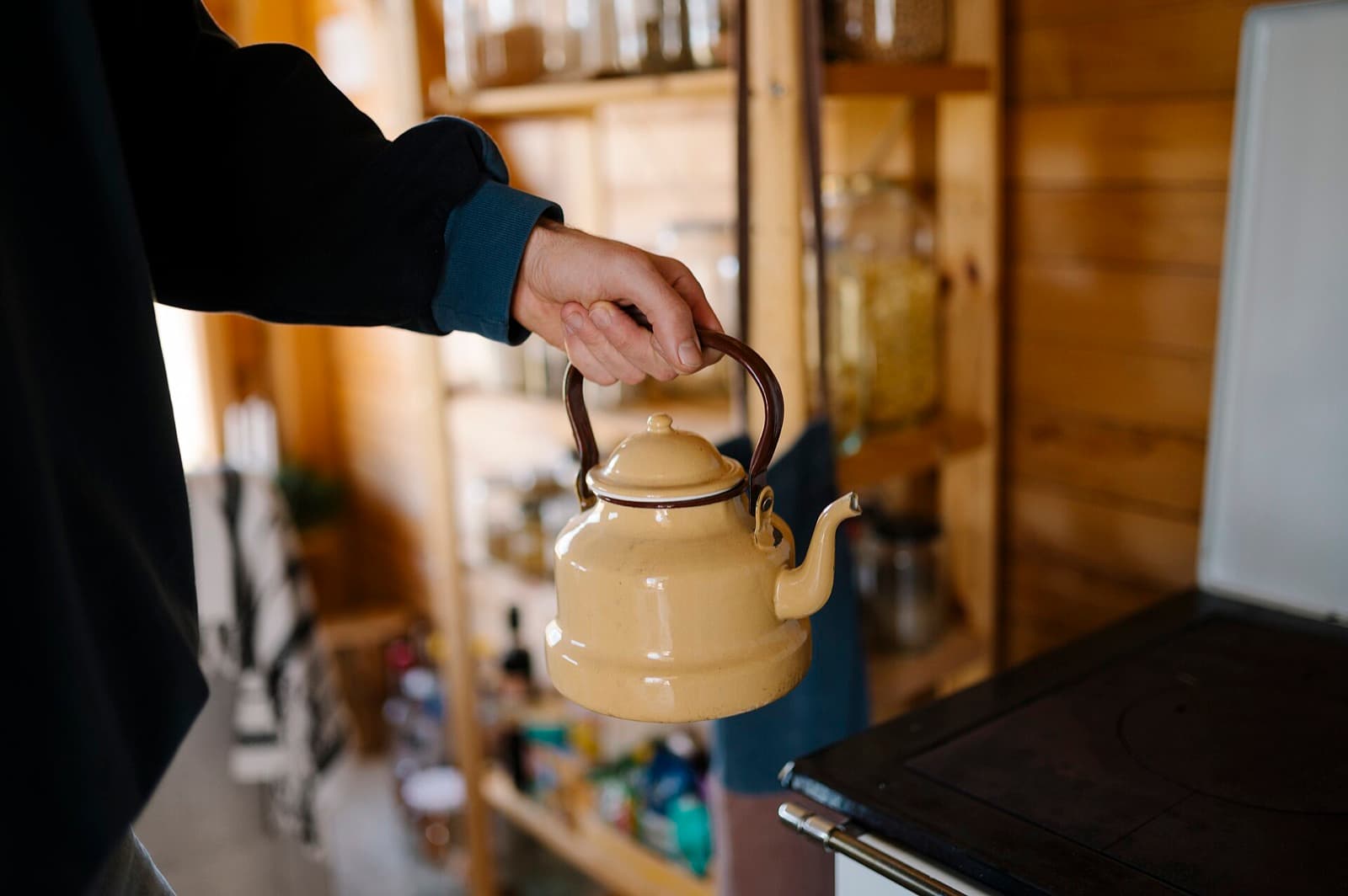
There is a quiet moment most mornings when everything waits on one thing: the tea kettle coming to a boil. Choose the right one and that moment gets faster, calmer, and — because water temperature shapes flavor more than almost anything — your tea gets better too.
A tea kettle seems like the simplest possible purchase, but the choices matter. Stovetop or electric? Fixed boiling or variable temperature? Whistling or silent? Get it right and you'll reach for it happily every day for years. Get it wrong and you'll fight a slow boil, a dribbling spout, or bitter green tea brewed too hot. This guide explains what actually matters, compares the main types, and gives specific, honest picks so you can choose with confidence.
Stovetop vs electric: the first decision
Almost every tea kettle falls into one of two camps, and choosing between them is the biggest decision you'll make.
Stovetop kettles sit on your hob and heat by flame or element. They're simple, often beautiful, have nothing electronic to fail, and many whistle when ready. The catch: they heat to one temperature — boiling — and you can't dial it back for delicate teas.
Electric kettles heat faster, switch off automatically, and — crucially — the better ones let you set a specific temperature. For anyone who drinks green, white, or oolong tea, that temperature control is transformative.
| Stovetop | Electric | |
|---|---|---|
| Speed | Moderate | Fast |
| Temperature control | Boiling only | Often variable |
| Needs | A working hob | An outlet |
| Fails | Rarely | Electronics can |
| Vibe | Classic, tactile | Convenient, precise |
If you drink mostly black or herbal tea and love the ritual, a stovetop kettle is a fine, lasting choice. If you brew a range of teas — or just want speed and walk-away safety — go electric.
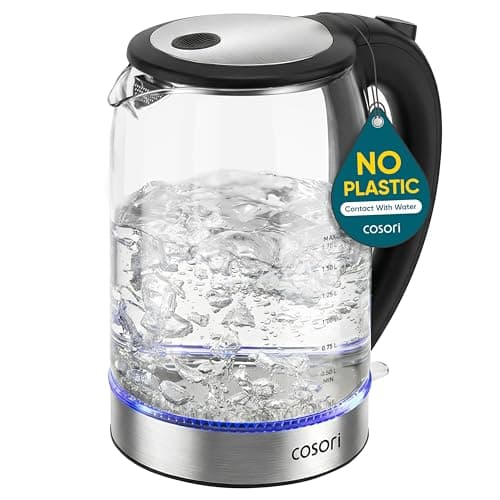
Cosori Electric Kettle, No Plastic Contact With Water, Wide
A well-made pick — a consistent favorite with strong owner ratings.
Shop Now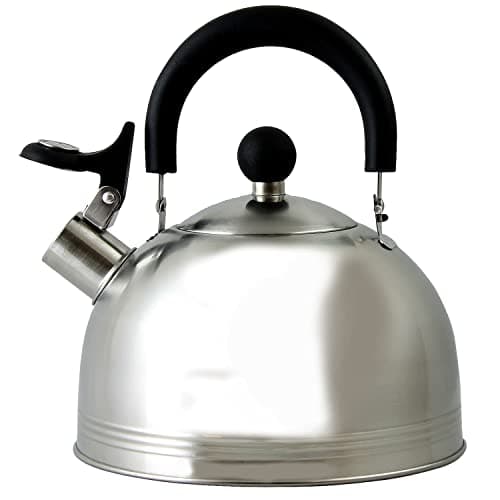
Mr. Coffee Carterton Stainless Steel Whistling Tea Kettle
A stainless steel, whistling pick — a consistent favorite with strong owner ratings.
Shop Now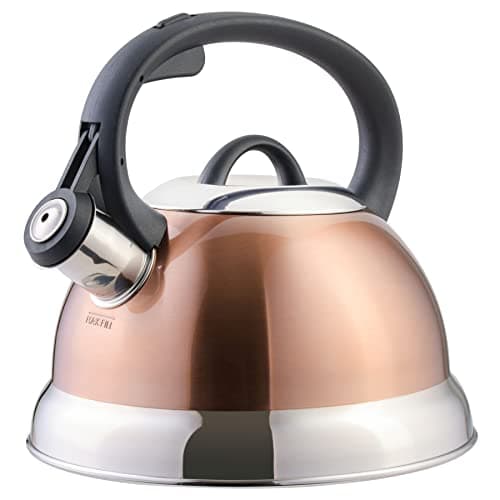
Mr. Coffee Flintshire 1.75-Quart Stainless Steel Whistling Tea
A stainless steel, whistling pick — a consistent favorite with strong owner ratings.
Shop Now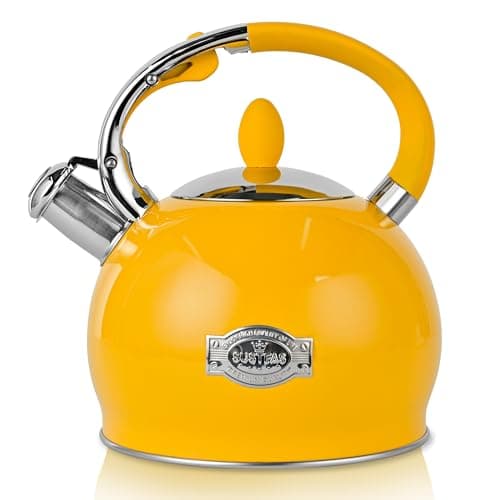
SUSTEAS Stove Top Whistling Tea Kettle - Food Grade Stainless
A stainless steel, whistling pick — a consistent favorite with strong owner ratings.
Shop Now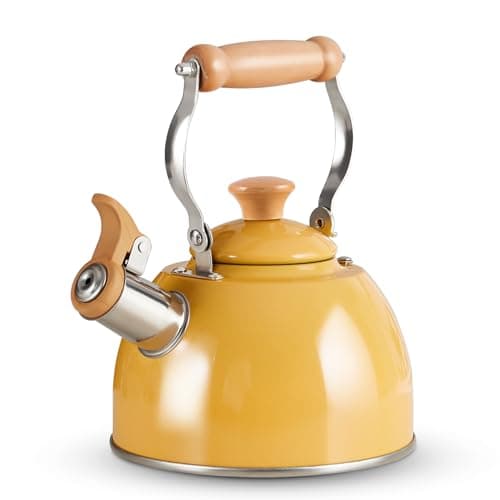
ROCKURWOK Tea Kettle, Tea Pot with Cool Touch Ergonomic Handle
A stainless steel pick — a consistent favorite with strong owner ratings.
Shop Now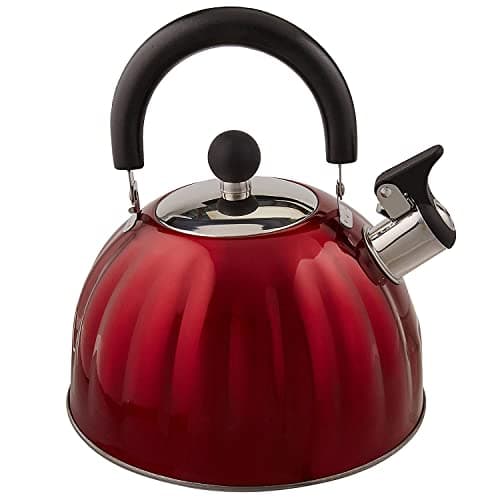
Mr. Coffee Twining 2.1 Quart Pumpkin Shaped Stainless Steel
A stainless steel, whistling pick — a consistent favorite with strong owner ratings.
Shop NowProduct prices and availability are accurate as of September 14, 2026 and are subject to change. Any price and availability information displayed on Amazon at the time of purchase will apply.
Why water temperature is the whole point
Here's the reason a good tea kettle matters beyond just boiling water: different teas want different temperatures, and getting it wrong is the most common cause of bad tea at home.
Green and white teas are delicate. Brew them with fully boiling water and you scald the leaves, drawing out harsh, bitter compounds — that unpleasant edge many people blame on the tea itself. Give them cooler water and they turn sweet and smooth. Black tea, pu-erh, and herbal tisanes, by contrast, want a full rolling boil to extract their bolder flavors.
| Tea | Target temp |
|---|---|
| Green | 160-175°F (70-80°C) |
| White | 175-185°F (80-85°C) |
| Oolong | 185-205°F (85-96°C) |
| Black / pu-erh | 205-212°F (96-100°C) |
| Herbal | 212°F (100°C) |
A variable-temperature electric kettle bakes this chart in with presets. Without one, you're guessing — or letting a boiled kettle cool for a few minutes, which works but is fussy. This single fact is why we so often steer green-tea drinkers toward a temperature-controlled model. See how to brew green tea for the payoff.
Features worth paying for (and ones to skip)
Once you've picked a type, these are the features that genuinely improve daily use:
Worth it:
- Variable temperature (electric) — the single most useful upgrade for multi-tea drinkers.
- Rapid boil — a strong element gets you to tea faster.
- Auto shut-off and boil-dry protection — safety and peace of mind on electric models.
- A good pour — a well-shaped spout that doesn't dribble down the side.
- Comfortable, cool-touch handle — you hold it every day.
Nice but not essential:
- Keep-warm mode — handy if you brew several cups over an hour.
- A window or gauge — lets you see the water level.
Skip / be wary of:
- Gimmicky app connectivity — rarely used, more to break.
- Very cheap non-stainless interiors — can leave a plastic or metallic taste; look for stainless steel or glass where water contacts the kettle.
Match the feature list to how you actually drink, not to the longest spec sheet. A simple kettle done well beats a feature-stuffed one done cheaply.
Materials: stainless steel, glass, and cast iron
What your kettle is made of affects taste, durability, and looks.
- Stainless steel is the practical default — durable, doesn't shatter, and doesn't hold flavor as long as the interior is steel (not thin plastic). The safe all-rounder for stovetop and electric alike.
- Glass (usually borosilicate) is lovely: neutral, and you can watch the water. Popular for electric kettles with LED bases. More fragile, and shows mineral scale clearly — though that just reminds you to descale.
- Cast iron (tetsubin) retains heat beautifully and looks striking, but it's heavy, needs careful drying to avoid rust, and is really a stovetop specialty for robust teas rather than an everyday electric option.
- Enameled kettles combine a metal body with a smooth, easy-clean coating and come in every color.
For most people, a stainless or glass electric kettle is the sweet spot. Whatever you choose, plan to descale it regularly — every kettle scales up in hard water. Our how to clean a tea kettle guide covers exactly how.
How much should you spend?
You don't need to spend a fortune, but the cheapest kettles cut the corners that matter. Here's a rough map:
- Budget (entry level): a basic stovetop kettle or a simple boil-only electric. Perfectly good if you drink black or herbal tea and don't need temperature control. Prioritize a stainless interior and a decent spout.
- Mid-range (the sweet spot): a variable-temperature electric kettle from a reputable brand. This is where most tea drinkers should land — you get temperature presets, rapid boil, and reliable safety features without paying for luxury materials.
- Premium: precision pour kettles (often gooseneck) with fine temperature control and beautiful build, aimed at people who fuss happily over each cup. Worth it if pouring precision matters to you — see our best gooseneck kettle guide.
The honest advice: put your money into temperature control and a solid element before looks. A mid-range variable-temp kettle will improve more cups than a gorgeous stovetop one that only boils.
Kettles for specific tea drinkers
The best tea kettle depends on what's in your cup. A quick guide:
- You drink mostly green or white tea: a variable-temperature electric kettle, no question. Cooler-water presets are exactly what these delicate teas need.
- You drink black tea and herbals only: a simple stovetop or boil-only electric kettle is all you need — they want a full boil anyway.
- You brew gongfu-style or pour-over: a gooseneck kettle for the slow, precise pour, ideally with temperature control.
- You want the fastest possible morning cup: a rapid-boil electric kettle with a large element.
- You love ritual and aesthetics: a whistling stovetop or a cast-iron tetsubin, accepting the boiling-only limitation.
There's no single 'best' — there's the best for how you drink. If you brew several types, the variable-temperature electric is the most flexible answer, which is why it's our overall pick below. For where the kettle fits in your wider setup, see the teaware guide.
Caring for your kettle so it lasts
A kettle is a daily-use appliance, and a little care keeps it fast and clean:
- Descale regularly. Limescale slows heating and can flavor your water. A vinegar or citric-acid soak clears it — every 4-8 weeks in hard-water areas. Full method in our kettle-cleaning guide.
- Empty it after use. Standing water deposits fresh scale and, in cast iron, causes rust.
- Use filtered water where water is very hard, to slow scale dramatically.
- Keep the electric base dry. Never submerge it; wipe the exterior only.
- Dry cast iron completely after every use, inside and out.
Do this and a good kettle lasts many years. Neglect it and even a premium kettle scales up, slows down, and starts tinting your water. The tea you brew is only ever as clean as the water you boil.
Our approach to picking a tea kettle
When we recommend a kettle, we weigh a few things in order: does it give you the right water temperature for the teas you drink, does it heat efficiently and pour cleanly, is the interior a neutral material that won't taint the water, and is it built to last. Brand reputation for reliable elements and honest temperature accuracy matters more than a long feature list.
The picks below span that range — from a simple, beautiful stovetop for the boil-and-go drinker to precise variable-temperature electrics for anyone who takes green and oolong seriously. They're chosen to match real drinking habits, not to chase specs. Pick the one that fits your cup, care for it, and it'll quietly serve one of the best small moments of your day. That unhurried pause while the water heats is, honestly, part of the pleasure — the same calm we build everything around at Tea & Peace. Whichever you buy, hard water will scale it; see how to clean an electric kettle for the routine that keeps it fast.
From our testing notes
A practical shortcut if you own only a boil-only kettle: after it boils, letting it rest with the lid off drops the water roughly 10-15°F every minute or so, so about 3-4 minutes gets you into green-tea range (~175°F). It works, but it's guesswork you repeat every cup — which is exactly the daily friction a variable-temperature kettle removes.
Sources & further reading
Frequently asked questions
What's the best type of tea kettle?
For most tea drinkers, a variable-temperature electric kettle, because it heats fast and lets you set the right temperature for each tea. If you only drink black or herbal tea, a simple stovetop kettle is fine since those teas want a full boil anyway.
Do I really need a variable-temperature kettle?
If you drink green, white, or oolong tea, yes — those teas turn bitter when brewed with boiling water, and temperature control fixes that. If you only drink black or herbal tea, you don't need it, since a plain boiling kettle already gives you what those teas want.
Is an electric or stovetop kettle better for tea?
Electric kettles are faster, switch off automatically, and often offer temperature control, making them more versatile for different teas. Stovetop kettles are simpler, beautiful, and have nothing electronic to fail, but heat only to boiling. Choose based on whether you need variable temperature.
What temperature should water be for different teas?
Roughly: green tea 160-175°F, white 175-185°F, oolong 185-205°F, and black, pu-erh, and herbal teas a full boil at 205-212°F. Delicate green and white teas need cooler water to avoid bitterness, which is why a variable-temperature kettle helps.
Are glass kettles safe and worth it?
Yes. Borosilicate glass kettles are neutral, so they don't affect flavor, and they let you watch the water. They're a little more fragile than steel and show mineral scale clearly, but that just signals when to descale. Many electric variable-temp kettles use glass.
How do I stop my kettle from making tea taste plasticky?
Choose a kettle where the water only touches stainless steel or glass, not plastic. If a new kettle has an off taste, boil and discard water a few times to break it in. Also descale regularly, since scale itself can affect flavor.
How often should I descale my tea kettle?
Every 4-8 weeks in hard-water areas, or every few months where water is soft. Look inside — once a chalky film appears, it's time. A white-vinegar or citric-acid soak clears it; see our how to clean a tea kettle guide for the full method.
What size tea kettle should I buy?
For one or two people, a 1 to 1.5 liter kettle is plenty and heats quickly. Larger 1.7 liter kettles suit households that brew several cups at once. Bigger isn't always better — a smaller kettle boils faster if you usually make one or two cups.
Can I use a tea kettle for pour-over coffee too?
Yes, and a gooseneck kettle is ideal for both, thanks to its slow, precise pour. If you make pour-over coffee as well as tea, a variable-temperature gooseneck kettle covers both. See our best gooseneck kettle guide for options.
Why is my electric kettle so slow to boil?
Usually limescale on the heating element, which insulates it and wastes energy. Descale it with a vinegar or citric-acid soak and it should speed up. If it's still slow, the element itself may be aging, which is common in kettles that are never descaled.