
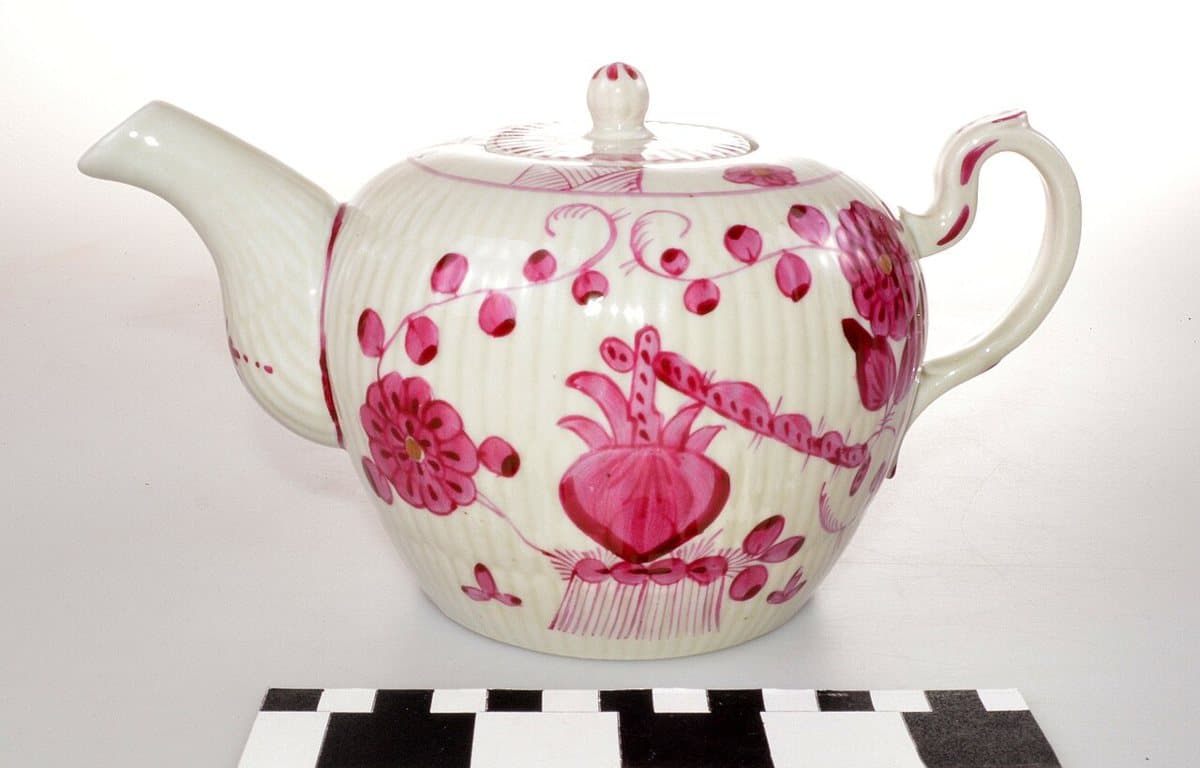
Knowing how to clean a teapot properly comes down to two questions: what's the pot made of, and what are you removing? Tannin film — the brown stain every tea drinker knows — lifts easily with baking soda or vinegar from glass and porcelain, but those same methods can damage cast iron's seasoning or destroy an unglazed clay pot's years of patina. This guide covers the right cleaning method for every common teapot material, the stubborn cases (spouts, mesh infusers, mineral scale), and the two pots you should barely clean at all.
Quick answer
- ✓Glass and porcelain: baking soda paste or a dilute vinegar soak removes all tannin staining.
- ✓Stainless steel pots and infusers: baking soda + hot water; vinegar for mineral scale.
- ✓Cast iron (tetsubin-style): hot water only, dried immediately — no soap, no vinegar.
- ✓Unglazed clay (Yixing): rinse with hot water only. The interior patina is the point.
- ✓Skip dish soap on any unglazed or seasoned surface — porous material holds the perfume.
First: Identify What You're Cleaning Off
Teapots accumulate three different kinds of grime, and they have different solvents:
Tannin film — the tan-to-brown coating from tea itself. Harmless (it's the same polyphenol residue as in your cup) but it dulls flavor over months and looks neglected on light porcelain. Alkaline cleaners (baking soda) and mild acids (vinegar, lemon) both dissolve it.
Mineral scale — chalky white deposits from hard water, most common in pots that also see boiling water. Acid is the answer; baking soda does little. Same chemistry as cleaning a tea kettle, where scale is the main enemy.
Trapped sourness — the stale smell in a pot stored with its lid on while damp. That's not a stain but a ventilation problem; the fix is in the storage section below.
Match the solvent to the problem and every method on this page takes minutes. Mismatch them — scrubbing scale with soda, soaking clay in vinegar — and you'll work hard for nothing or ruin something irreplaceable.
Tea & gear for this guide
Hand-matched Amazon picks with strong owner ratings. As an Amazon Associate, Tea & Peace earns from qualifying purchases.
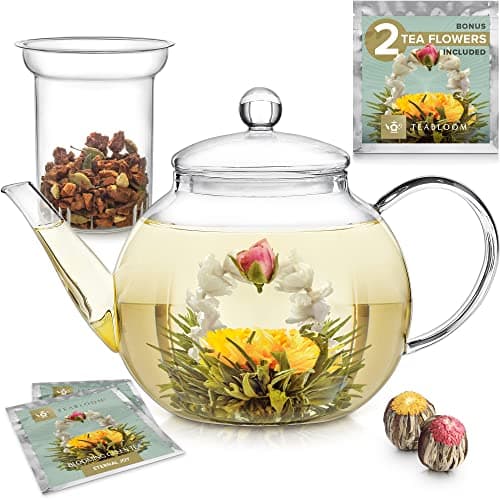
Teabloom Stovetop & Microwave Safe Glass Teapot with Removable Loose Tea
Borosilicate glass teapot with a removable infuser — 4.6★ across 26,185 ratings.
Shop Now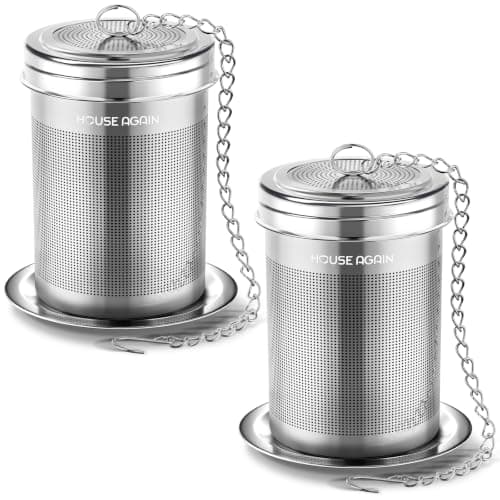
HOUSE AGAIN Tea Infuser, Extra Fine Mesh Tea Infusers for Loose Tea, 18/8
Fine-mesh stainless infuser for any loose tea — 4.6★ across 26,441 ratings.
Shop Now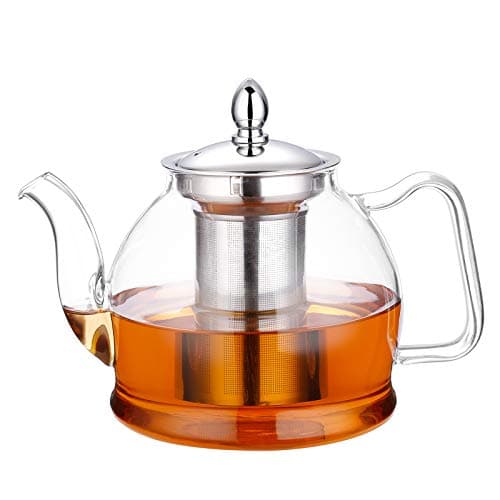
HIWARE 1000ml Glass Teapot with Removable Infuser, Stovetop Safe Tea
Borosilicate glass teapot with a removable infuser — 4.5★ across 22,771 ratings.
Shop NowProduct prices and availability are accurate as of September 14, 2026 and are subject to change. Any price and availability information displayed on Amazon at the time of purchase will apply.
Glass and Porcelain: The Baking Soda Method
The workhorse method for the most common pots:
- Make a paste — 2 tablespoons of baking soda, just enough warm water to hold it together.
- Spread it over the stained interior and let it sit 10–15 minutes.
- Wipe with a soft sponge or cloth; the tannin film lifts with almost no pressure.
- Rinse thoroughly with hot water until no slickness remains.
For heavy, aged staining, upgrade to a soak: fill the pot with hot water, stir in 2 tablespoons of baking soda, and leave it overnight. The stains that survive that are rare enough that a second overnight round handles them.
Glass pots (the modern infuser style from our best teapot roundup) tolerate a bottle brush; fine porcelain and bone china prefer a cloth — abrasive pads can scratch glaze and eventually wear gilded rims. Never put a gilded or hand-painted pot in the dishwasher, and treat crackle-glazed pots gently: cleaning solutions can seep into intentional crazing lines and tint them permanently.
Cleaning a Teapot With Vinegar
Vinegar is the right tool for two specific jobs: mineral scale, and tannin buildup in pots you can't easily reach into.
The dilute soak: mix one part white vinegar to three parts hot water, fill the pot, and wait 30–60 minutes. Empty, then rinse three or four times with fresh hot water — vinegar odor clings, and an under-rinsed pot will haunt your next brew with a sour edge. If any smell lingers, a final swish of baking soda water neutralizes it.
For scale specifically: use a stronger 1:1 mix, warm, and let it work until the fizzing white deposits dissolve — usually under an hour even for years of buildup.
Where vinegar does not belong: cast iron (strips seasoning and invites rust), unglazed clay (the porous walls drink the acid and the smell effectively never leaves), and any pot with unsealed metal fittings that acid can corrode. For those, the answer is either baking soda or — for the clay case below — nothing at all.
Stainless Steel Pots and Mesh Infusers
Stainless handles everything, which makes it the easy case: baking soda paste for tea film, vinegar soak for scale, and it shrugs off scrubbing.
The genuinely annoying part is the mesh infuser basket, where tannin bonds into the fine weave and turns it brown-black. Two methods that actually work:
- Boil it: simmer the basket in a small pot of water with a tablespoon of baking soda for 5 minutes. Most of the discoloration releases on its own.
- The overnight soak: hot water + a denture tablet (or the vinegar mix) in a bowl, basket submerged, rinse in the morning. Effortless and thorough.
A soft toothbrush finishes any stubborn spots. Skip bleach — it's effective but stainless can pit with repeated exposure, and rinsing every trace out of fine mesh is harder than it sounds. The same routine keeps a tea infuser from adding last month's tea to this morning's cup.
Cast Iron Teapots: Less Is More
Japanese-style cast iron pots (tetsubin and the enameled teapots sold under the name) follow one rule: hot water only, dried immediately.
After each use, empty the pot, rinse with hot water, and dry it completely — lid off, upside down on a cloth, or wiped dry while still warm so residual heat finishes the job. Water left standing is how rust starts. No soap (it strips the surface and lingers), no vinegar (aggressively strips), no scrubbing pads.
If the interior is enameled (most modern ones), light tannin staining is cosmetic and safe to leave; a soft cloth with plain hot water is as far as cleaning should go. If you have a true unlined tetsubin, the interior develops a whitish mineral layer over time — that's a protective scale Japanese tradition deliberately cultivates, and removing it invites rust. Light surface rust in an unlined pot isn't fatal: boil water in it a few times and brew as usual; tannins re-darken and stabilize the spot naturally.
Yixing and Unglazed Clay: Don't Clean the Flavor Away
Unglazed clay pots are the exception to everything above. Porous clay absorbs tea with every session, building an interior seasoning that genuinely rounds and deepens future brews — it's why serious gongfu brewers dedicate each Yixing pot to one tea family and why a well-loved pot is said to need only hot water to make faint tea.
Care routine: after each session, tip out the leaves, rinse with plain hot water, and let the pot air-dry completely with the lid off. That's the entire protocol. Soap is the cardinal sin — the clay drinks the fragrance and returns it to your tea for months. Vinegar and baking soda are nearly as bad, stripping the seasoning you've spent years building.
The one acceptable deep clean: if a neglected pot has grown actual mold (it happens when stored damp and sealed), boil it in plain water for 10–15 minutes, then re-season by brewing several strong pots of its dedicated tea. More on choosing and starting a clay pot in our Chinese tea set and teaware guides.
Spouts, Lids, and the Places Sponges Can't Reach
The spout is where tannin hides and dribbles begin. A spout brush (a long, thin flexible brush sold for straws) solves it in seconds; in a pinch, twist a strip of cloth onto a chopstick, dampen with your baking soda solution, and run it through. For serious spout buildup, plug the pot, fill so the solution stands in the spout, and let the soak do the reaching.
Lid rims and the underside of the knob collect a film that turns sticky — same paste, soft toothbrush, ten seconds. Check the strainer holes at the spout's base inside the pot (the classic clog point on porcelain pots): a toothpick clears them, and a monthly clear keeps pour speed honest.
While you're at it, run the same inspection your pot's pour depends on: hairline cracks at the handle join and spout base widen with thermal shock, and catching one early — before it fails mid-pour with boiling tea — is the most practical safety habit in tea.
Storing a Teapot So It Stays Clean
Half of teapot funk is storage, not washing:
- Dry fully before shelving. Even one damp session sealed under a lid produces the sour smell everyone blames on cleaning.
- Store lid ajar or off — rest it at an angle across the opening, or wrap it separately. Airflow prevents both odor and (in clay) mold.
- Don't nest pots or stack anything inside them; glaze grinds against glaze and chips.
- Occasional empty rest: a pot used daily benefits from a monthly deep clean per its material, then a full 24-hour air-dry.
Done this way, cleaning stays a two-minute monthly habit instead of an archaeology project — and the pot pours as cleanly at year five as it did new. If yours is past saving (cracked glaze, permanent funk, rusted-through iron), the best teapot roundup covers worthy replacements for every brewing style.
From our testing notes
Our own two-year-old glass teapot went through the full test: the baking soda paste took the visible tannin film off in one 15-minute round, but the mesh basket stayed stubbornly gray until the 5-minute baking-soda simmer — which turned the water the color of strong black tea and the mesh back to bright steel. Total time for both: under 25 minutes, most of it waiting. The before/after on the mesh alone convinced us to make the simmer a monthly habit.
Sources & further reading
Frequently asked questions
How do I clean tea stains from a teapot without scrubbing?
Overnight soak: fill the pot with hot water, stir in 2 tablespoons of baking soda, and leave it. By morning the tannin film wipes away with a cloth. For pots with narrow openings, the dilute vinegar soak (1:3 with hot water, one hour) does the same job.
Is it safe to clean a teapot with vinegar?
For glass, porcelain, and stainless steel — yes, diluted 1:3 with hot water, followed by several thorough rinses. Never for cast iron or unglazed clay: vinegar strips cast iron's protective surface and soaks permanently into porous clay.
Why does my teapot smell musty even after cleaning?
It was stored damp with the lid sealed. Wash it once more, then dry completely and store with the lid off or ajar from now on. For porcelain and glass, a final rinse with dilute vinegar kills lingering mustiness; for clay, boil the pot in plain water and re-season it.
Should I clean the brown coating inside my Yixing teapot?
No — that dark interior patina is accumulated seasoning that improves the tea, built deliberately over years of use. Rinse with hot water only. The single exception is actual mold from damp storage, which calls for a plain-water boil and re-seasoning.
Can teapots go in the dishwasher?
Plain glass and sturdy everyday stainless usually survive, but it's a bad habit: heat cycles stress spout and handle joins, and detergent is too harsh for gilding, decals, crackle glaze, cast iron, and clay. Sixty seconds of hand washing is the safe default for anything you'd mind losing.
How often should a teapot be deep cleaned?
Rinse after every use; deep clean monthly for daily-use glass, porcelain, or stainless pots (weekly if you brew strong black tea, which stains fastest). Cast iron and unglazed clay never get a 'deep clean' in the scrubbing sense — their routine is rinse-and-dry forever.
What removes hard water scale from a teapot?
Acid: a 1:1 white vinegar and warm water soak until the white deposits dissolve, usually under an hour. Citric acid (a teaspoon in hot water) works identically and rinses away with less odor. Baking soda won't touch scale — it's the tool for tannin, not minerals.
Can I use denture tablets to clean a teapot?
Yes — for glass, porcelain, and stainless they're effectively pre-portioned baking-soda-plus-oxygen cleaners: one tablet in a pot of warm water, thirty minutes, rinse well. Same exclusions as everything else: never for cast iron or unglazed clay.