
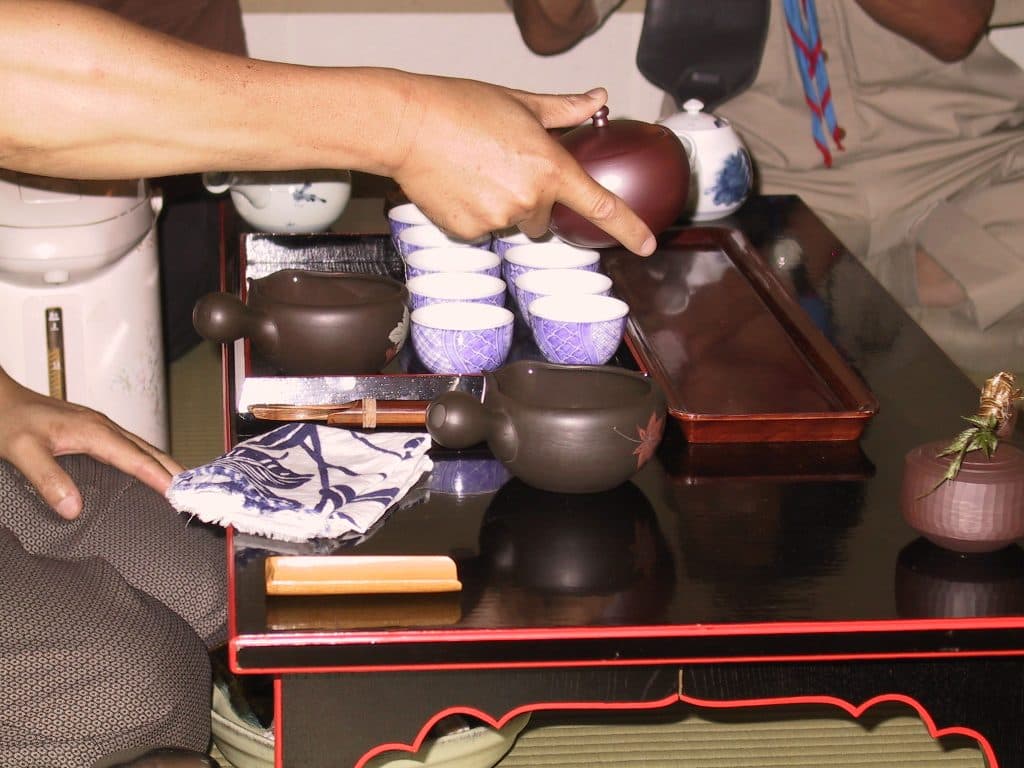
Knowing how to rinse tea leaves starts with a familiar scene at the start of a gongfu session: the kettle has just boiled, the small pot or gaiwan is warmed and emptied, a spoonful of tightly rolled oolong goes in, hot water goes over it — and a few seconds later that first water is poured straight out, undrunk. This page is about that one small step: what it is for, how long it should last, and which teas it belongs to.
The rinse, sometimes called "washing" or "awakening" the tea, is a real tradition rather than a superstition. A 2019 study from Anhui Agricultural University describes rinsing dried leaves before brewing as a traditional way of preparing rolled oolong in China, and Chinese brewing descriptions of pu-erh mention one or more rinses of a few seconds each. But it is not universal. Japanese sencha instructions go straight from warm pot to first infusion, and nobody rinses a tea bag.
This page walks through the steeping order from kettle to cup, gives rinse times, sets out what measured studies say a rinse actually removes, and lists the teas where you should simply skip it.
Quick answer
- ✓Rinse with hot water for a few seconds — Chinese pu-erh practice is 2–5 seconds — then pour it all away.
- ✓Rinse compressed pu-erh and tightly rolled oolong; skip it for green tea, Japanese tea and tea bags.
- ✓A rinse is not decaffeination: one study measured only a 0–11% drop in caffeine and other compounds in the brewed tea.
- ✓The same study found rinsing cut pesticide-risk levels in the infusion by 5–59%, depending on the pesticide.
- ✓Order: boil, warm the vessel, add leaves, rinse, then brew.
Why Some Teas Get Rinsed
The rinse does three practical jobs, and the teas that get rinsed are the ones that benefit from all three.
It opens tight leaf. Rolled oolongs such as Tieguanyin are pressed into small balls, and pu-erh is often compressed into cakes or bricks. A brief soak in hot water lets those shapes start to loosen, so the first real infusion extracts evenly instead of tasting thin while the leaves are still closed. This is why the step is often called "awakening" the tea.
It warms everything. A splash of hot water through the leaves heats them and the vessel together, so the first proper steep starts at the temperature you meant it to.
It washes the leaf. Compressed and aged teas in particular can carry dust and fragments from storage, and many drinkers rinse to clear them. There is also measured evidence about residues: a 2019 study in the Journal of Agricultural and Food Chemistry (Gao et al.) found that rinsing green, black and oolong tea before brewing reduced pesticide risk levels in the final infusion by 5–59%, depending on the pesticide.
None of those jobs is essential for loose green tea, delicate Japanese tea or bagged tea, which is why rinsing them mostly throws away flavor. It belongs to Chinese brewing, and especially to the small-pot, many-infusion style described in our gongfu tea ceremony guide.
Tea & gear for this guide
Amazon picks matched to this guide. As an Amazon Associate, Tea & Peace earns from qualifying purchases.
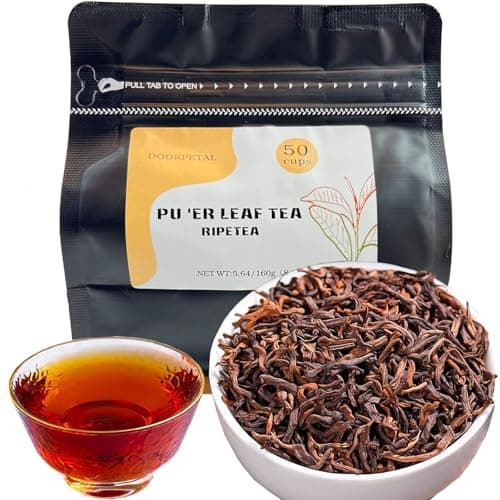
Premium Pu-erh Tea-pu erh leaf,5.64oz/160g-pu-er ripe tea-陈年普洱/金芽熟茶
Ripe pu-erh is one of the teas that usually gets rinsed.
Shop Now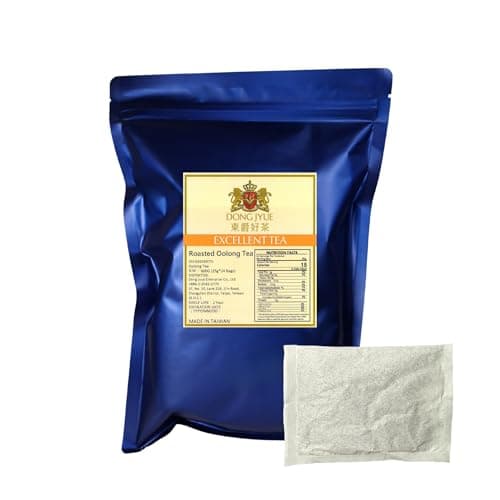
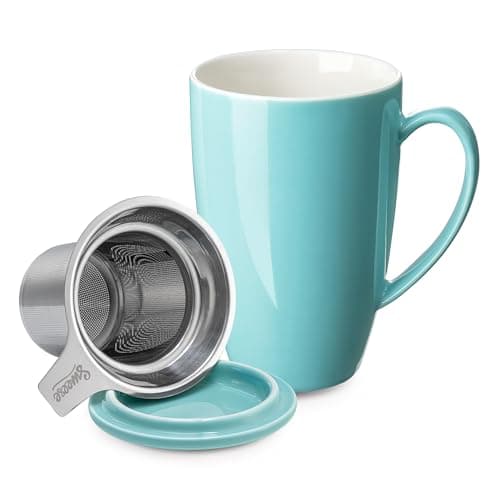
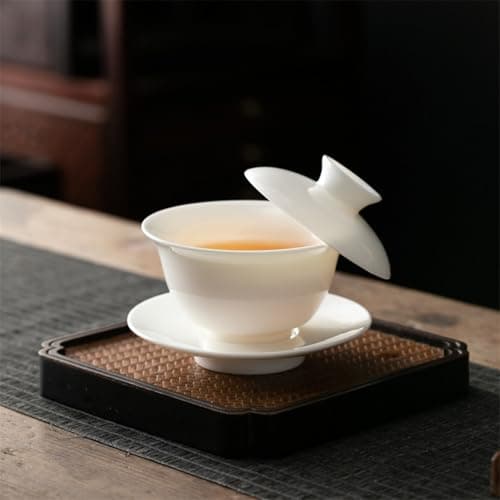
Sweese 15oz Porcelain Tea Mug with Infuser and Lid
Rinsing at home without gongfu gear: an infuser mug works.
Shop Now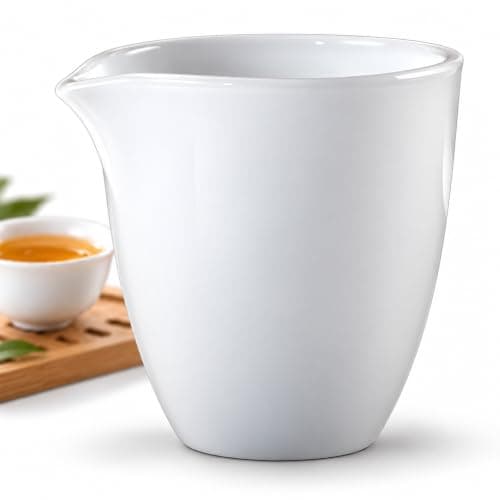
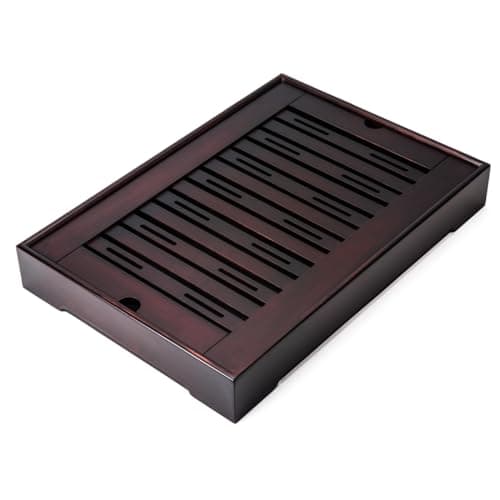
Ceramic Tea Dispenser Gong Bei Tea Pitcher Sharing Cup Fairness Cup
A pitcher to pour the rinse off quickly.
Shop NowProduct prices and availability are accurate as of October 29, 2026 and are subject to change. Any price and availability information displayed on Amazon at the time of purchase will apply.
The Steeping Order, Step by Step
People often ask about the order of things — whether the water should be at 100 degrees first, whether it should rest, and when the leaves go in. Here is the full sequence for a rinsed tea, followed by the version for teas you should not rinse.
For pu-erh and rolled oolong (rinse):
- Boil fresh water. For pu-erh and darker oolong, use it at or just off the boil; for lighter, greener oolong, let it sit for a short while first.
- Warm the vessel. Pour some hot water into the empty pot or gaiwan, and over the cups, then discard it. The gongfu description on Wikipedia gives this as the first step: rinse the pot with hot water to heat it.
- Add the leaves. Measure them into the warm, empty vessel.
- Rinse. Pour hot water over the leaves to cover them, put the lid on, and pour it straight back out — a few seconds, not a steep. Wikipedia's pu-erh article describes rinses of 2–5 seconds.
- Pause briefly. Many drinkers let the damp leaves sit with the lid on for a moment so they continue to open.
- Brew the first infusion at your normal time, and pour it off completely.
For green tea (no rinse): boil, then let the water rest until it cools; warm the pot and cups; add the leaves; brew. The World Green Tea Association's sencha method follows exactly this order — pre-warm pot and cups, discard that water, add leaves, wait for the boiling water to settle, then pour — with no rinse. Its target for high-grade sencha is water around 70°C.
So the answer to "100 degrees first, let the water rest, then add leaves?" depends on the tea: rest the water for green tea, and use it hot for the rinse with pu-erh and rolled oolong.
How Long the Rinse Should Last
Short. When people ask how to rinse tea leaves, timing is the part that matters most: the point is to wet and warm the leaf, not to brew it, and every extra second sends flavor down the drain.
Wikipedia's description of pu-erh preparation puts the traditional rinse at 2–5 seconds, sometimes repeated. That is roughly the time it takes to pour water in, settle the lid and pour it back out. For tightly compressed pu-erh, a second quick rinse can help the pieces come apart; for rolled oolong, one is usually enough.
The Gao study tested longer rinses — 5, 10, 20 and 30 seconds — and found the amount of pesticide transferred to the rinse water ranged from 0.2% to 24% across those times and pesticides. That gives a useful sense of the trade-off: a longer rinse washes more off the leaf, but it also starts to take more of what you want to drink. The same study measured a 0–11% reduction in caffeine and other functional compounds, such as EGCG, in the tea that was brewed afterward.
A practical rule for home brewing:
- Pu-erh (compressed cake or brick pieces): one or two rinses, each just a few seconds.
- Rolled oolong: one quick rinse.
- If you want more cleaning: lengthen the rinse a little rather than adding extra rinses, and accept a slightly lighter first cup.
Use water as hot as the tea's brewing temperature. A rinse with cooler water does not open the leaf well, and the next infusion then starts with partly closed leaves.
What a Rinse Removes — and the Caffeine Myth
The most persistent claim about rinsing is that a 30-second rinse removes most of the caffeine and turns any tea into near-decaf. Measured data does not support it.
In the Gao study, rinsing reduced five functional components — including caffeine and EGCG — by 0–11% in the infusion that followed. A brief rinse lowers caffeine a little; it does not decaffeinate. If you are cutting caffeine for health reasons, choose a decaffeinated tea or a naturally caffeine-free herbal infusion instead, and ask a clinician about your own limits. The FDA puts the general adult guideline at 400 milligrams of caffeine a day.
The same study is the strongest evidence for rinsing as a cleaning step. Tracking eight insecticides of different chemical types, it found that rinsing before brewing reduced pesticide risk levels in the tea infusion by 5–59%. The range is wide because different pesticides dissolve differently; some move into water readily, others barely at all.
What the rinse does not do:
- It does not sterilize tea. A few seconds of hot water is not a hygiene treatment.
- It does not fix stale or poorly stored tea.
- It does not remove the bitterness of an over-hot or over-long main steep; that is controlled by the tea water temperature and the clock.
So rinse for the reasons it actually serves — opening tight leaf, warming it, and rinsing off dust and some residues — and not as a caffeine trick.
Teas to Rinse and Teas to Leave Alone
Whether to rinse depends almost entirely on the shape and style of the leaf.
| Tea | Rinse? | Why |
|---|---|---|
| Pu-erh (raw or ripe, especially compressed) | Yes, 1–2 quick rinses | Opens compressed leaf; traditional practice described as 2–5 seconds |
| Rolled oolong (Tieguanyin, Taiwanese high-mountain) | Yes, one quick rinse | Traditional for rolled oolong; helps tight balls unfurl |
| Strip-style or roasted oolong (e.g. Da Hong Pao) | Optional | Leaves are already open; many drinkers still rinse in gongfu style |
| Chinese green tea (Dragonwell, Bi Luo Chun) | No | Delicate, open leaf; a rinse wastes the first and often best infusion |
| Japanese green tea (sencha, gyokuro) | No | Japanese brewing methods go straight from warmed pot to first infusion |
| Black tea brewed Western style | Usually no | Not part of Western brewing practice; the UK Tea & Infusions Association's method has no rinse step |
| Tea bags of any kind | No | Fine-cut leaf extracts fast; a rinse just pours away flavor |
Green tea is the clearest case for skipping. Its leaves open quickly at modest temperatures, and the first infusion carries much of the sweetness and aroma. The Gao study tested green tea too, and rinsing removed some of the compounds in the infusion just as it did for other types. If you are worried about residues on a green tea, buying from a supplier that tests for them is a better route than rinsing.
For a deeper look at the tea most often rinsed, see our pu-erh tea guide.
Rinsing at Home Without Gongfu Gear
You do not need a tea tray or a set of tiny cups to rinse properly. What you need is a way to pour the water off the leaves quickly and completely.
Gaiwan. The easiest tool for learning how to rinse tea leaves. Leaves in, water in, lid on slightly ajar, pour out through the gap.
Small teapot with a built-in strainer. Works the same way. Pour fast so the leaves don't sit in the water while it drains.
Mug with an infuser basket. Put the leaves in the basket, set it in an empty mug, pour hot water over it, then lift the basket out and tip the water away. Return the basket and brew.
A fine-mesh strainer over the sink. For a large pot of ripe pu-erh, rinse the leaves in a strainer under a stream of just-boiled water poured from the kettle, then add them to the warmed pot.
Whatever you use, follow the same order as the step-by-step section: warm the vessel first, rinse the leaves for a few seconds, then brew. Brew promptly after rinsing — damp leaves sitting for a long time start to lose aroma, and the rinse loses its warming purpose.
Five Rinse Mistakes
-
Rinsing too long. A rinse that lasts 20–30 seconds is closer to a short infusion. The Gao study's longer rinses moved more into the rinse water, which means more flavor lost along with whatever you were trying to wash away. Keep it to a few seconds unless you have a specific reason.
-
Rinsing tea that doesn't need it. Green tea, Japanese tea and tea bags lose more than they gain. Start with the first infusion instead.
-
Rinsing with water that is too cool. The rinse is meant to warm and open the leaves. For pu-erh and dark oolong, use water at or near the boil; for lighter rolled oolong, the same temperature you will brew at.
-
Drinking the rinse. The rinse water carries the dust and some of the residues the step is meant to remove. Pour it out — over the tea tray or a tea pet, if you have one, or into the sink.
-
Expecting it to decaffeinate. It doesn't, as the measured 0–11% reduction shows. If you need low caffeine, change the tea, not the rinse.
Once the rinse is done, the rest of the session is ordinary brewing: short infusions, poured off completely, with each one a little longer than the last. Our how many times can you steep tea guide covers how far those later infusions go — and if you would rather skip hot brewing altogether on a warm day, the cold brew tea hub covers the slow, cold method.
Worth knowing
Reference point (from measured data, not a kitchen test): in Gao et al. (2019), rinses of 5, 10, 20 and 30 seconds moved between 0.2% and 24% of eight tracked pesticides into the rinse water, cut pesticide risk in the final infusion by 5–59%, and lowered caffeine and EGCG in that infusion by 0–11%. On those numbers a rinse is a modest cleaning step with a modest flavor cost — and not a caffeine fix.
Sources & further reading
- Gao W. et al., 'Rinsing Tea before Brewing Decreases Pesticide Residues in Tea Infusion', J Agric Food Chem 2019;67(19):5384–93 (read 2026-10-11)
- Wikipedia: Pu'er tea — preparation (one or more rinses of 2–5 seconds) (read 2026-10-11)
- Wikipedia: Gongfu tea ceremony — rinse pot to heat it; rinse leaves and pour away (read 2026-10-11)
- World Green Tea Association (Shizuoka) — How to prepare Japanese tea: Sencha (read 2026-10-11)
- UK Tea & Infusions Association — How to make a perfect brew (read 2026-10-11)
- US FDA — Spilling the Beans: How Much Caffeine Is Too Much? (400 mg/day adults) (read 2026-10-11)
Frequently asked questions
Should I rinse my tea leaves?
Rinse compressed pu-erh and tightly rolled oolong; skip it for green tea, Japanese tea, most Western-style black tea and all tea bags. The rinse exists to open tight leaf and wash it, and loose open leaf doesn't need either.
How do you wash tea at home?
Warm your pot or gaiwan with hot water and discard it, add the leaves, cover them with hot water, and pour it straight out after a few seconds. Then brew the first infusion normally. An infuser basket in a mug works the same way.
How long should you rinse tea leaves?
A few seconds. Wikipedia's account of pu-erh preparation gives 2–5 seconds per rinse. A 2019 study tested 5 to 30 seconds and found longer rinses moved more into the rinse water, so going longer costs flavor.
Does rinsing tea remove caffeine?
Only a little. Gao et al. (2019) measured a 0–11% reduction in caffeine and other functional compounds in the tea brewed after a rinse. It is not a way to make tea decaf.
Does rinsing tea remove pesticides?
Partly. The same study found rinsing reduced pesticide risk levels in the infusion by 5–59%, depending on the pesticide, with 0.2–24% of each pesticide moving into the rinse water across 5–30 second rinses. It reduces residues; it does not eliminate them.
Should you rinse green tea?
No. Green tea leaves open easily at modest temperatures and much of their sweetness comes out in the first infusion. Japanese sencha methods, such as the World Green Tea Association's, go straight from warmed pot to first steep. See how to brew green tea.