
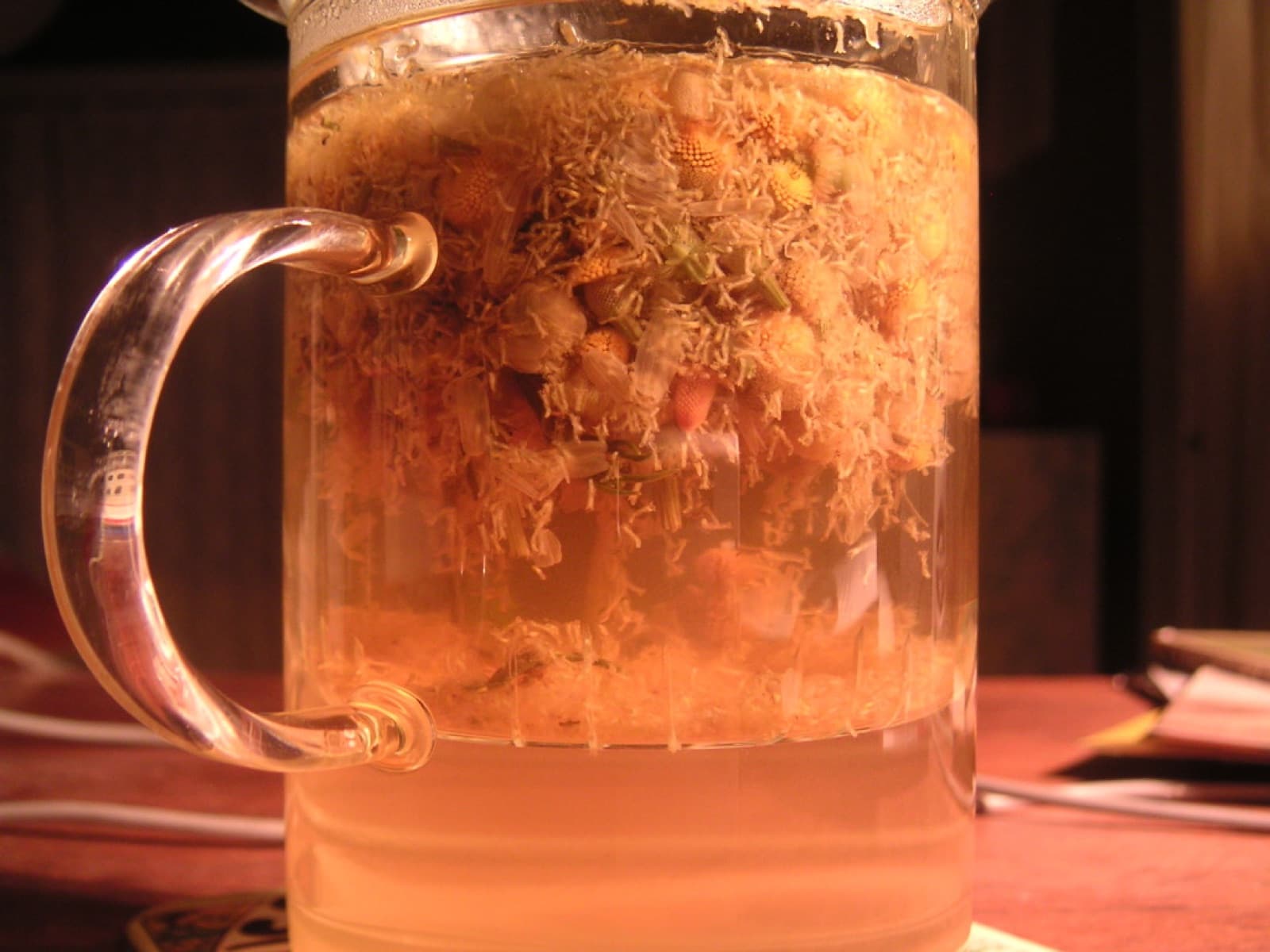
What actually counts as herbal tea? Strictly speaking, it is not tea at all. Real tea — green, black, oolong, white — comes from a single plant, Camellia sinensis. Herbal tea, properly called a tisane, is an infusion of anything else: dried flowers, leaves, roots, seeds, fruit, and spices steeped in hot water.
That looser definition is exactly what makes the category so wide and so welcoming. Because most herbal teas are naturally caffeine-free, they are the brews people reach for in the evening, when they are cutting back on caffeine, or when they simply want something warm and flavorful with no lift attached. This guide explains what a tisane is, walks through the most common ones and what they taste like, shows you how to brew them properly, and clears up a few myths along the way.
Quick answer
- ✓Herbal teas are tisanes — infusions of herbs, flowers, fruit, or spices, not true tea.
- ✓Almost all are naturally caffeine-free (yerba mate and guayusa are the main exceptions).
- ✓Because there is no leaf to turn bitter, most can steep longer and hotter than true tea.
- ✓Popular types include chamomile, peppermint, rooibos, ginger, hibiscus, and lemon balm.
- ✓Herbal teas are enjoyable beverages, not medicine — pleasant rituals, not treatments.
Tisane vs tea: what's the real difference?
The distinction is about the plant, not the process. True teas share one source plant and differ only in how the leaves are processed and oxidized — that is the whole story behind green tea, black tea, and oolong. A tisane, by contrast, can be made from almost any edible plant material and contains no tea leaf at all.
That is why herbal teas behave differently in the cup. They have no tea tannins, so they rarely turn bitter from a long steep, and they carry no caffeine unless the specific plant happens to contain it. A few 'herbal' brews are stimulating exceptions — yerba mate and guayusa, both from South America, contain natural caffeine. But the vast majority, from chamomile to rooibos, are caffeine-free. If you want to see exactly where tisanes sit alongside the true teas, our types of tea overview lays out the whole map.
Tea & gear for this guide
Hand-matched Amazon picks with strong owner ratings. As an Amazon Associate, Tea & Peace earns from qualifying purchases.
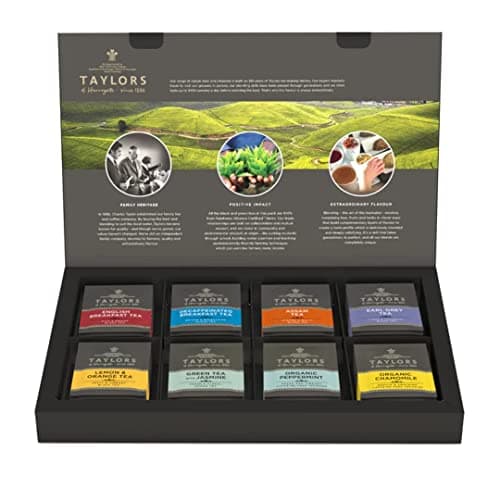
Taylors of Harrogate Assorted Specialty Teas Sampler, Variety Pack Gift
A caffeine-free herbal tea sampler to explore — 4.7★ across 29,770 ratings.
Shop Now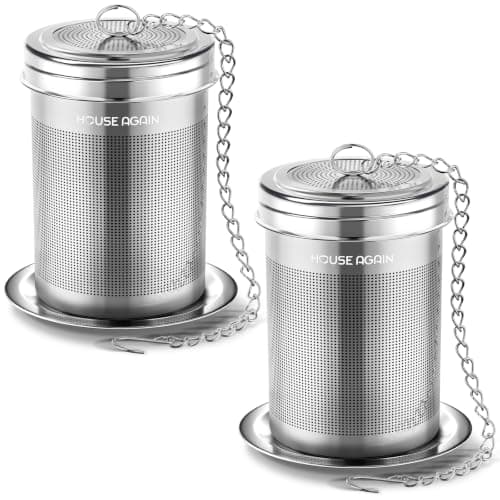
HOUSE AGAIN Tea Infuser, Extra Fine Mesh Tea Infusers for Loose Tea, 18/8
Fine-mesh stainless infuser for any loose tea — 4.6★ across 26,441 ratings.
Shop Now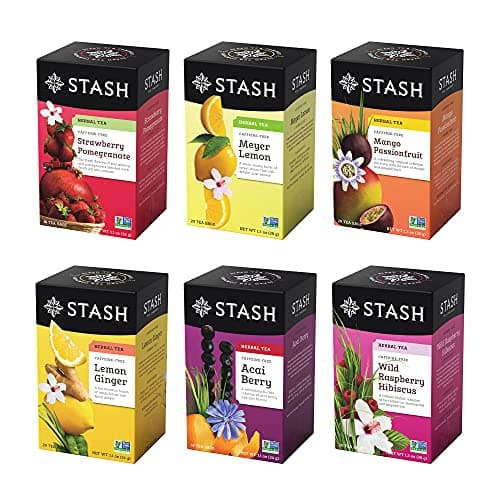
Stash Tea Fruity Herbal Tea 6 Flavor Tea Sampler, 6 boxes With 18-20 Tea
A caffeine-free herbal tea sampler to explore — 4.6★ across 9,202 ratings.
Shop NowProduct prices and availability are accurate as of September 14, 2026 and are subject to change. Any price and availability information displayed on Amazon at the time of purchase will apply.
The most common herbal teas and how they taste
There are hundreds of tisanes, but a handful cover most cups people actually drink. Here is a starter field guide:
- Chamomile — soft, apple-like, gently floral; the classic wind-down brew.
- Peppermint — clean, cooling, brisk; refreshing hot or iced, often sipped after meals.
- Rooibos — naturally sweet, woody, and smooth; a South African red bush that takes milk well.
- Ginger — warming, spicy, and sharp; bracing on a cold day.
- Hibiscus — tart, ruby-red, and cranberry-like; our full hibiscus tea guide goes deep on this one.
- Lemon balm & lemongrass — bright, citrusy, and light.
- Rooibos and fruit blends — berry, apple, and citrus tisanes, usually caffeine-free and kid-friendly.
Many commercial 'sleep' or 'calm' blends simply combine several of these — chamomile with lavender and lemon balm, for example. You can just as easily blend your own once you know what each plant tastes like.
How to brew herbal tea properly
Herbal teas are the most relaxed brews to make because there is almost nothing to get wrong — no delicate leaf to scorch, no tannins to over-extract. Still, a few habits get you a fuller cup:
- Use a generous amount of material — herbs and flowers are light and fluffy, so 1–2 teaspoons or one large tea bag per cup.
- Use fully boiling water, 208–212°F. Unlike green tea, tisanes want the heat.
- Steep longer — 5 to 7 minutes, sometimes more for roots and hard spices like ginger.
- Cover the cup while it steeps. Many herbal aromatics are volatile, and a lid keeps them in the water instead of drifting off with the steam.
Roots, bark, and seeds (ginger, licorice, fennel) release their flavor slowly and can even be simmered briefly on the stove for a stronger brew. Flowers and soft leaves need only a steep. If you are new to brewing anything, the fundamentals in our how to make tea guide apply here too, with the temperature dialed all the way up.
When people reach for herbal tea
Herbal tea's biggest practical advantage is timing. Because it is caffeine-free, it fits the parts of the day when true tea does not:
- Evenings and bedtime. A warm, caffeine-free cup is a gentle signal to slow down. Our bedtime tea and calming tea guides cover the blends people favor for winding down.
- Cutting back on caffeine. Herbal teas let you keep the ritual of a hot cup without the stimulant.
- After meals. Peppermint and ginger are traditional post-dinner sippers.
- Hydration with flavor. Since there is no caffeine and no calories, herbal tea is an easy way to drink more fluids.
It is worth being clear-eyed here: people often describe herbal teas as soothing or settling, and the ritual itself is genuinely calming. But those are lifestyle experiences, not medical outcomes. A cup of chamomile is a pleasant part of a routine, not a remedy.
A gentle note on 'benefits' and safety
Herbal teas are sometimes marketed with big health promises, and this is where a little caution helps. Many herbs have long culinary and cultural histories, and drinking them is generally as safe as eating the same plants. But tea is a beverage, not a treatment. Claims that a tisane cures, detoxes, or treats a condition should be read skeptically.
A few sensible points:
- Some herbs interact with medications or are not recommended during pregnancy. If you take medication or are pregnant, check with a healthcare professional before drinking large amounts of a specific herb.
- 'Detox' teas are largely marketing; your liver and kidneys handle that job.
- Variety is your friend — rotating herbs rather than drinking gallons of one is a reasonable habit.
The honest framing is the one we use across Tea & Peace: herbal tea is something to enjoy, not a substitute for medical care. Sip it because it tastes good and the ritual feels good.
Choosing a herbal tea by what you're after
With so many tisanes to pick from, it helps to choose by the moment rather than by the plant. Here is a quick chooser based on what people usually want from a cup:
- Something soothing before bed — chamomile, lemon balm, or a rooibos-based blend. These are the classic wind-down cups, gentle and caffeine-free.
- A refreshing pick-me-up — peppermint or lemongrass, wonderful hot and even better iced.
- A warming, spicy cup for a cold day — ginger, sometimes with a little cinnamon or clove.
- A tart, fruity refresher — hibiscus, served cold and lightly sweetened.
- A naturally sweet, smooth cup that takes milk — rooibos, the one tisane that behaves a bit like black tea with a splash of milk.
- A caffeine-free base to blend and experiment with — rooibos or a mild fruit tisane, easy to combine with a pinch of something else.
Notice that none of these are health prescriptions — they are flavor and mood matches. That is the honest way to shop for herbal tea. Pick the profile you are in the mood for, keep three or four on hand, and you will always have the right cup for the moment. If your main goal is a calm evening routine, our best tea for sleep guide narrows the field further.
Building your own herbal tea shelf
Once you know the base flavors, blending your own tisanes is easy and cheap. A small starter shelf might hold chamomile, peppermint, rooibos, dried ginger, and hibiscus — enough to cover soothing, refreshing, sweet, warming, and tart. From there you can combine:
- Calm evening: chamomile + a pinch of lavender + lemon balm.
- After dinner: peppermint + a little fennel.
- Cold-weather warmer: ginger + rooibos + a cinnamon stick.
- Bright iced tisane: hibiscus + mint, brewed strong and chilled.
Buy herbs in small amounts and store them like any dried herb: airtight, away from light and heat, used within a year for best aroma. Loose dried flowers and leaves lose their fragrance faster than you might expect, so smaller, fresher batches beat a giant jar that sits open. A simple infuser or a French press is all the gear you need to get started.
From our testing notes
A quick demonstration of why herbal tea forgives long steeps: brew a bag of black tea and a bag of peppermint side by side for a full 10 minutes. The black tea turns harsh and puckery; the peppermint just gets more minty. That contrast — no tea tannins in the tisane — is the single most useful thing to understand about brewing herbal tea.
Sources & further reading
Frequently asked questions
Is herbal tea actually tea?
Not in the strict sense. True tea comes only from the Camellia sinensis plant, while herbal tea, or tisane, is an infusion of other plants — herbs, flowers, fruit, roots, or spices. It is 'tea' in the everyday sense of a hot infused drink, but botanically it is a different thing.
Does herbal tea have caffeine?
The vast majority are naturally caffeine-free, which is why they are popular in the evening. The main exceptions are yerba mate and guayusa, two South American plants that do contain caffeine. Always check the label if avoiding caffeine matters to you.
Can I drink herbal tea before bed?
Yes — it is one of the most common reasons people drink it. Caffeine-free blends like chamomile, rooibos, and lemon balm won't keep you awake, and the warm ritual can help you wind down. See our bedtime tea guide for popular evening blends.
How long should I steep herbal tea?
Longer than true tea — usually 5 to 7 minutes, and even longer for tough roots and spices like ginger. Since there are no tea tannins, herbal teas won't turn bitter, so a generous steep just gives you a fuller flavor.
Is herbal tea good for you?
Herbal teas are a pleasant, hydrating, calorie-free way to enjoy a warm drink, and many contain plant compounds people value. But they are beverages, not medicine. Treat health claims with skepticism and talk to a professional about any specific concern.
Can I make herbal tea with boiling water?
Yes, and you should. Unlike green tea, herbal teas benefit from fully boiling water at 208–212°F, which helps extract flavor from sturdy flowers, roots, and spices. There is no delicate leaf to scorch.
Is rooibos a herbal tea?
Yes. Rooibos comes from a South African shrub, not the tea plant, so it is technically a tisane. It is naturally caffeine-free and low in tannins, with a sweet, woody flavor, and unlike most tisanes it takes milk nicely.
Are 'detox' herbal teas real?
Not in any meaningful medical sense. Your liver and kidneys already handle detoxification, and no tea replaces that. Some so-called detox teas contain laxative herbs, which can cause problems in excess. Drink herbal tea because you enjoy it, not to detox.
Can I drink herbal tea while pregnant?
Some herbs are considered fine and others are not recommended during pregnancy, and it varies by herb and amount. This is exactly the kind of question to bring to your doctor or midwife rather than rely on a tea label. When in doubt, ask a professional.
What is the difference between a tisane and a herbal infusion?
They mean essentially the same thing — a drink made by steeping plant material other than tea leaves in hot water. 'Tisane' is the traditional French term, and 'herbal infusion' or 'herbal tea' are the everyday English equivalents.