
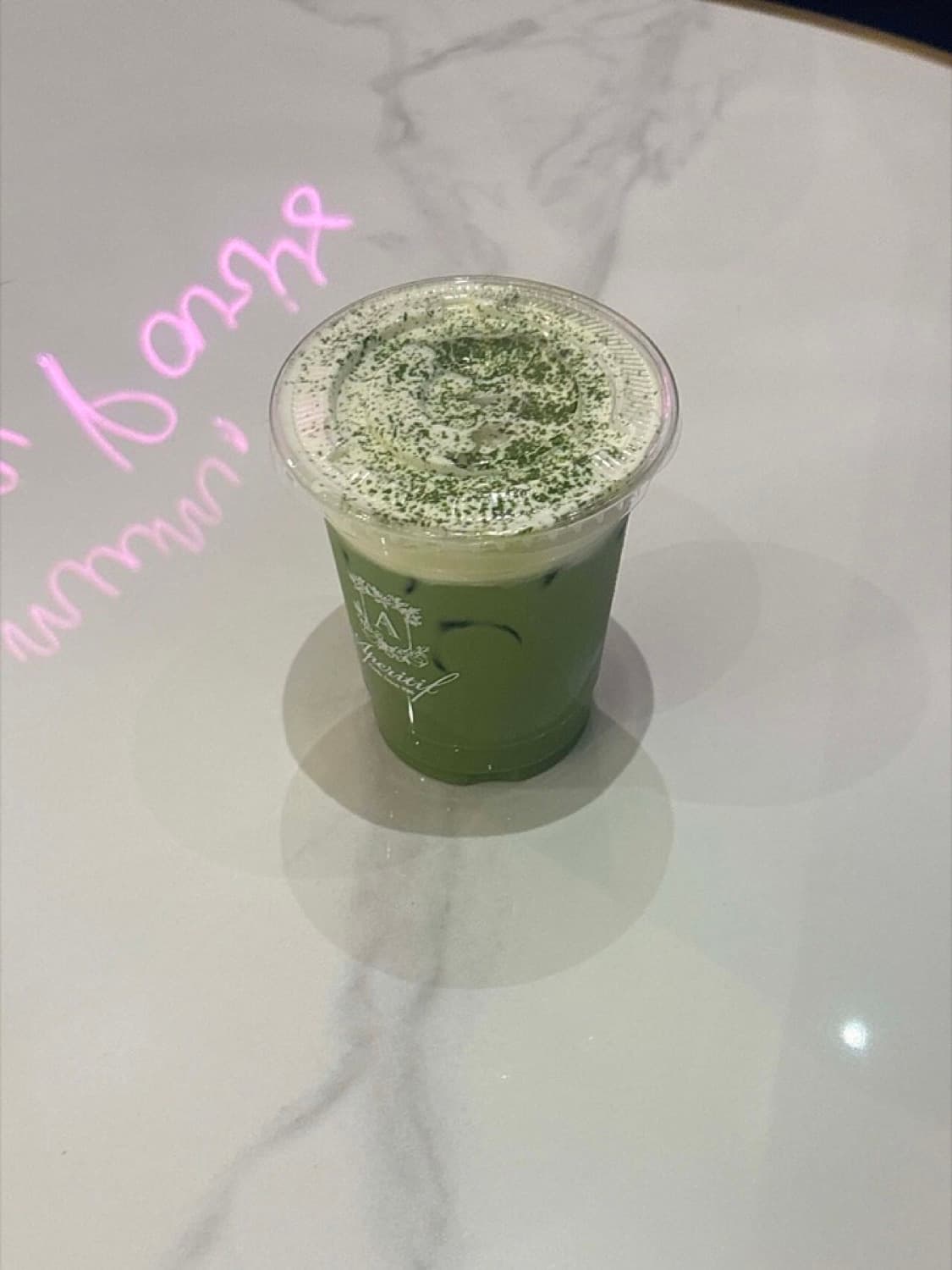
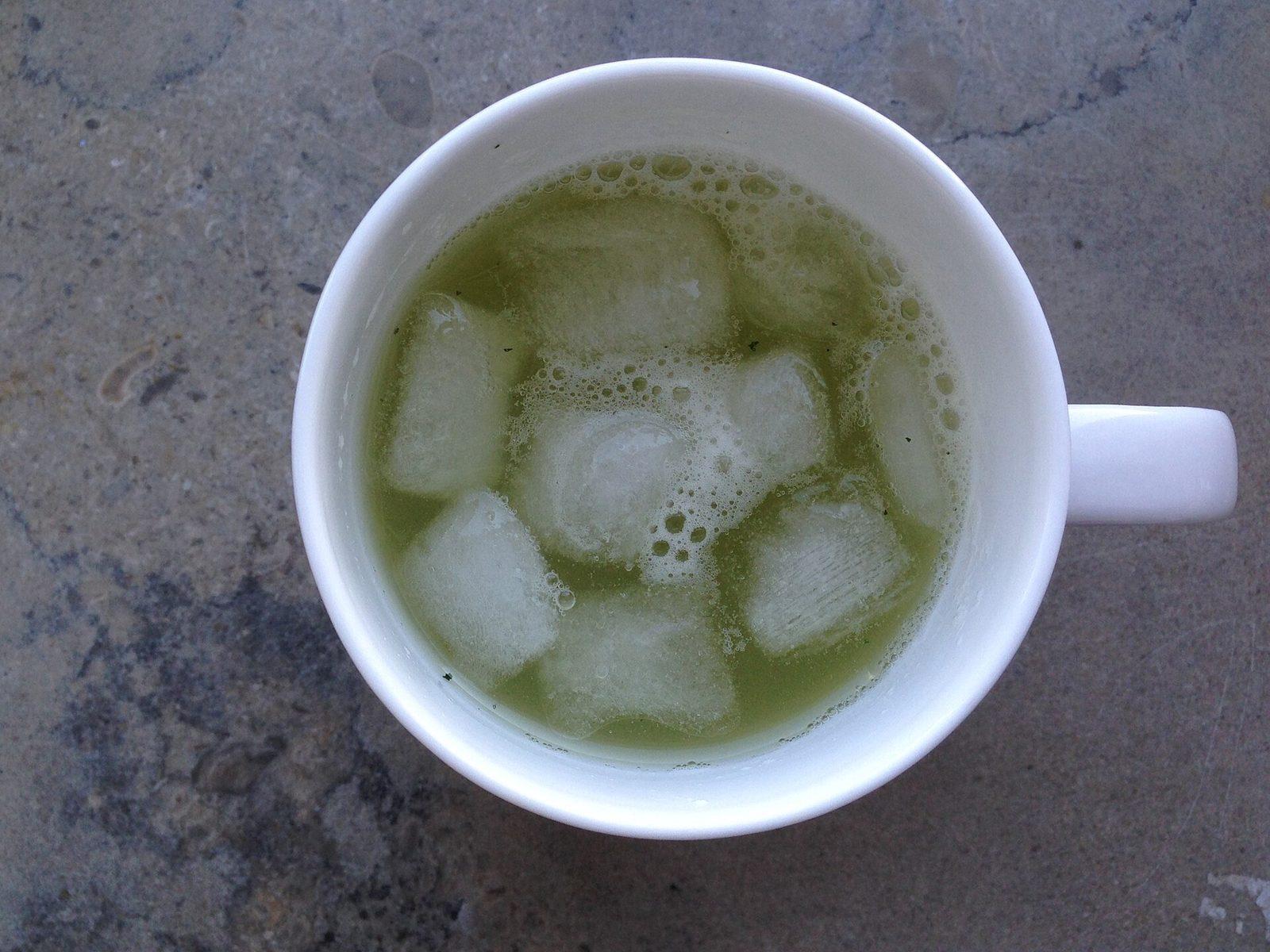
For cold brew green tea, use 10–15 g of loose green tea per litre of cold, filtered water and leave it in the fridge for 8–10 hours. That's the mizudashi method published by JETRO, Japan's trade agency, and it keeps 2–3 days. Cold water pulls out much less of green tea's caffeine and bitter EGCG than hot water does, so the result tastes sweet and mild.
You may also have arrived here asking a simpler question: can you drink green tea cold? Yes. Chilled, iced or cold-brewed, it's the same drink, and the cold brew version is the smoothest of the three. Below: the recipe scaled to a US quart, three published methods side by side, what the lab studies say happens to caffeine and catechins in cold water (two of them disagree), which green teas to buy, and how long the pitcher keeps.
The recipe, scaled to a quart
JETRO's method is written per litre. A US quart is 0.95 L, so the same proportions give:
| Batch | Green tea | Cold, filtered water | Fridge time |
|---|---|---|---|
| 1 L (JETRO) | 10–15 g | 1 L | 8–10 h |
| 1 US quart | about 9.5–14 g | 4 cups | 8–10 h |
| 2 US quarts | about 19–28 g | 8 cups | 8–10 h |
Method:
- Weigh the leaf. Use the low end for delicate sencha and the high end for teas you like strong. Leaf shape changes how much fits in a spoon, so a scale is more reliable than a tablespoon.
- Add it to a jar or pitcher and fill with cold, filtered water.
- After a few minutes, stir once so no leaves float dry. JETRO's step 2 says to mix the water once.
- Refrigerate for 8–10 hours. Overnight works.
- Stir again to release colour and aroma, then strain out the leaves.
- Keep it in the fridge and drink within 2–3 days.
If you'd rather use bags, ITO EN's bottle method uses 4 teaspoons of green tea and as little as an hour in the fridge (see the next section), or see cold brew tea bags.
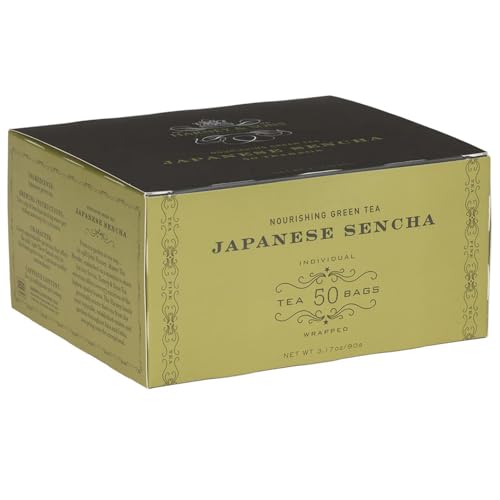
Harney & Sons Japanese Sencha Green Tea, 50 bags
Japanese sencha, the rolled-and-crumpled style that gives up its flavour easily in cold water. Bags make straining unnecessary.
Shop Now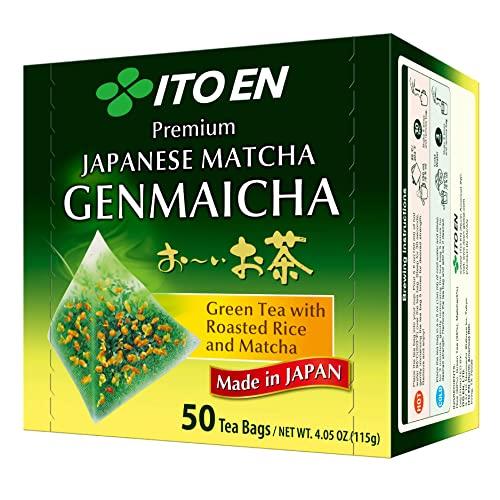
ITO EN Oi Ocha Premium Matcha Genmaicha, 50 bags
Green tea with roasted rice, from the company whose ice-pot and bottle methods are quoted on this page.
Shop Now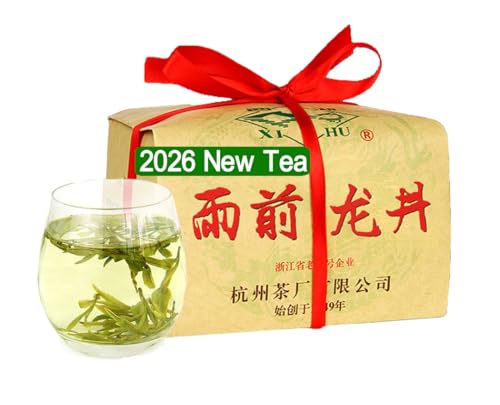
West Lake Dragon Well (Longjing) Green Tea, 250 g loose
A pan-fired Chinese green tea for a nuttier cold brew. Loose leaf: weigh 10–15 g per litre.
Shop Now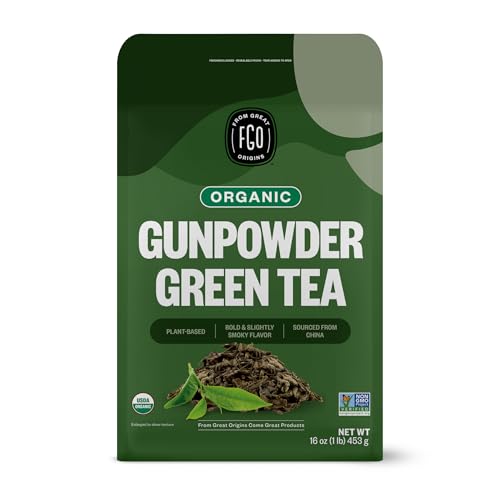
FGO Organic Gunpowder Green Tea, 453 g loose
Tightly rolled and inexpensive by weight, which keeps the cost per pitcher low. Weigh it; pellets pack densely.
Shop Now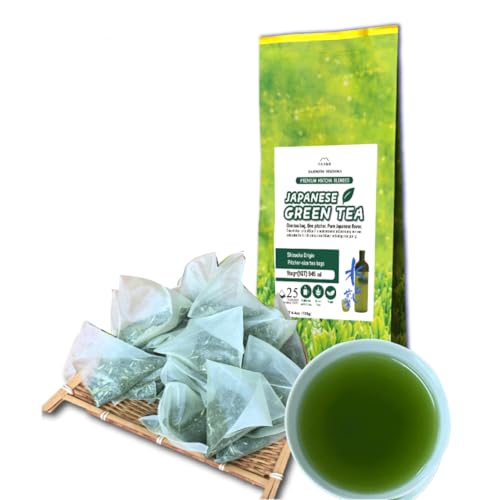
SAJIMOTO TEA Japanese Green Tea Bags, Pitcher Size Cold Brew & Hot Brew
Japanese fukamushi (deep-steamed) green tea in pitcher-size bags sold for cold or hot brewing. No straining.
Shop Now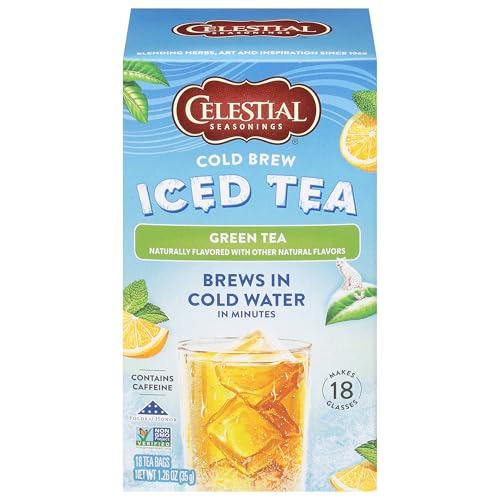
Celestial Seasonings Cold Brew Green Iced Tea, 18 count
Green tea bags sold for cold water, for the quickest version. Follow the box's steep time.
Shop NowProduct prices and availability are accurate as of November 23, 2026 and are subject to change. Any price and availability information displayed on Amazon at the time of purchase will apply.
Three published methods, compared
Japanese sources don't agree on how long cold green tea needs. Here are their instructions, each with its own conditions.
| Source | Tea | Water | Time | Notes |
|---|---|---|---|---|
| JETRO, mizudashi | 10–15 g | 1 L cold, filtered | 8–10 h, fridge | Stir once early and once at the end; good 2–3 days |
| ITO EN, cold brew bottle | 4 tsp | Bottle filled with cold water | 1 h or longer, fridge | Pour over ice |
| ITO EN, ice-pot | 3 tsp | Ice, then cold water | 3 min | Swirl the pot and pour every last drop |
| Takeya, 2-qt Iced Tea Maker (any tea) | 8 Tbsp or 8 bags | 7¾ cups | Taste from 1 h | In the fridge |
The spread runs from 3 minutes to 10 hours, and they're all right for what they aim at. ITO EN's ice-pot uses a lot of leaf in a small pot for a quick, strong pour. JETRO's long steep gets a full-flavoured pitcher from a moderate dose. Lab work points the same way: in a study summarised by Monobe (2018), sencha in water around 10°C reached its caffeine and catechin levels within 1 hour, and longer steeping didn't raise them further. Much of the extra time in an overnight recipe is about flavour and convenience, not caffeine.
What this page uses: JETRO's 10–15 g per litre for 8–10 hours, because it's the only method that gives both a weight and a storage window. If you're short on time, use more leaf and taste from the first hour. The timing for other teas is in cold brew tea steep time, and dose by batch size is in cold brew tea ratio.
What cold water does to caffeine, catechins and taste
Two peer-reviewed sources give different answers on catechins, and the difference comes from how each one brewed.
| Source | Cold conditions | Compared with | Finding |
|---|---|---|---|
| Monobe 2018 (review, NARO Japan), sencha | Water about 10°C, 1 h | 80°C water, 2 min | EGC about 70%, EGCG about 20%, caffeine about 50% of hot levels; amino acids such as theanine about 80% |
| Same review, iced water | 0.5°C | 80°C, 2 min | Caffeine under 20% of the hot infusion |
| Lantano et al. 2015, green, black and oolong | Cold infusion, long steep (exact conditions not in abstract) | Hot infusion | Cold infusion "extracted higher level of healthy molecules with slow kinetic"; hot extracted fast but degraded some compounds |
How to read it. Monobe measured a 1-hour cold infusion of sencha against a short 80°C one and found much less EGCG and caffeine. Lantano compared long cold infusions with hot infusions that degrade some compounds, and found cold ahead overall. Both agree on the direction that matters in the glass: cold water extracts less caffeine and less EGCG, the compounds Monobe identifies as the main sources of green tea's astringency and bitterness, while theanine and other amino acids, which taste sweet and savoury, extract readily. That's why cold-brewed sencha tastes mild.
Caffeine in numbers. USDA FoodData Central lists hot-brewed green tea at 12 mg of caffeine per 100 g, about 29 mg in a 245 g cup, and the FDA cites 37 mg per 12 fl oz. By Monobe's figures, a short cold steep lands at roughly half of a hot cup or less. A heavy dose steeped a long time narrows the gap. More on the comparison is in cold brew tea caffeine.
What it doesn't mean. The NIH's National Center for Complementary and Integrative Health says definite conclusions can't yet be drawn on most of green tea's promoted benefits, and that no safety concerns have been reported for green tea consumed as a beverage by adults. Cold brewing changes the taste. It doesn't turn the tea into a health product.
Can you drink green tea cold if it was brewed hot?
Yes. Cooling doesn't remove anything. A hot cup that's chilled keeps the caffeine and catechins it extracted while hot, so it carries the hot-brew figures above, not the cold-brew ones. Three ways green tea gets cold:
- Hot-brewed, then cooled. Full flavour, but also all the bitterness hot water extracted. Brew it a little shorter than usual. The Tea Association of the USA gives green tea 175–185°F for 1–3 minutes. Refrigerate within 2 hours, as the CDC advises for perishable food.
- Hot-brewed over ice. Faster and brighter. Lantano's 2015 study found that a brief hot infusion followed by ice reached antioxidant power similar to cold infusion, with the highest EGCG of the methods it compared for green tea. The steps are in how to make iced tea.
- Cold-brewed. The recipe above. It's the mildest of the three because hot water never touches the leaf.
Hot green tea that has sat on the counter for hours is a different matter. Brew a fresh one. For hot brewing in general, see how to brew green tea.
Which green teas to use
Almost any green tea cold-brews. A few styles suit it especially well:
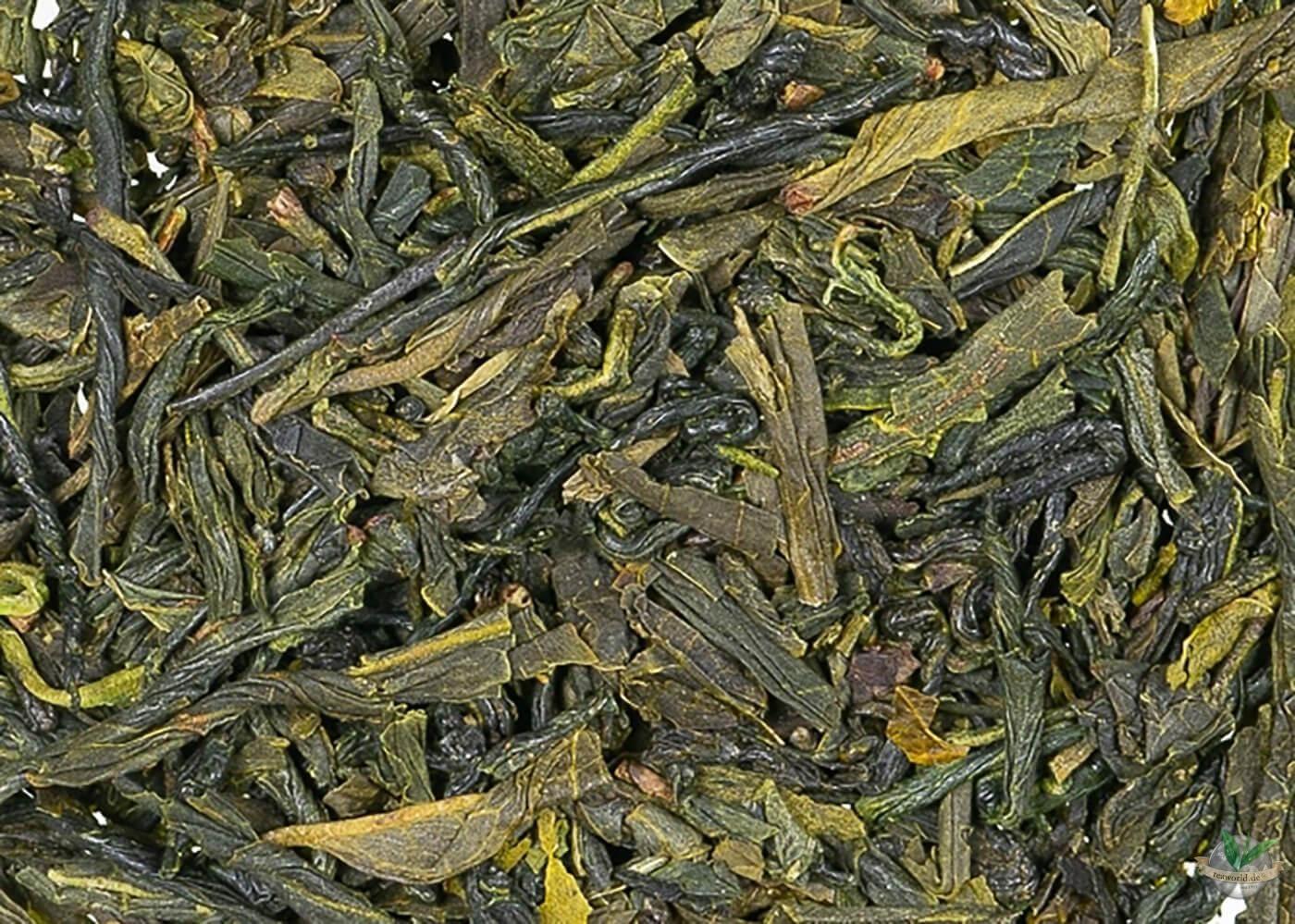
- Sencha. Japan's everyday green tea. Monobe notes that sencha is rolled and crumpled during drying, so its leaves give up their contents into water easily, at any temperature. That makes it the natural first choice for cold brewing.
- Genmaicha. Green tea with roasted rice. It's mellow and toasty cold.
- Dragonwell (Longjing). A Chinese green tea. Chinese green teas are pan-fired rather than steamed, a processing difference Monobe's review sets out, and they taste nuttier.
- Gunpowder. Tightly rolled pellets that are inexpensive by weight. Weigh it rather than spooning it, because rolled pellets pack densely.
- Jasmine green. Green tea scented with jasmine blossoms, which comes through clearly even when cold.
Reading the label. Look for a named origin and, if possible, a harvest season; fresh leaf matters more than any brand. Whole leaf releases more slowly and cleanly than fine broken leaf, which suits a long steep. For buying loose tea in general, see loose leaf tea, and for the types themselves, see green tea.
Matcha is different. It's a powder, so it doesn't steep; it's shaken or whisked into cold water.
Timing and taste: when to strain
JETRO's 8–10 hours fits an overnight batch: start it before bed and strain it at breakfast. If you want it sooner, ITO EN's bottle method starts at 1 hour, and Takeya suggests tasting from the first hour.
Taste is the best guide. Lift out a spoonful at your shortest time; if it tastes thin, leave it longer or use more leaf next time. In Monobe's measurements, caffeine and catechins stopped rising after about an hour at 10°C, so a longer steep mostly deepens flavour rather than adding caffeine.
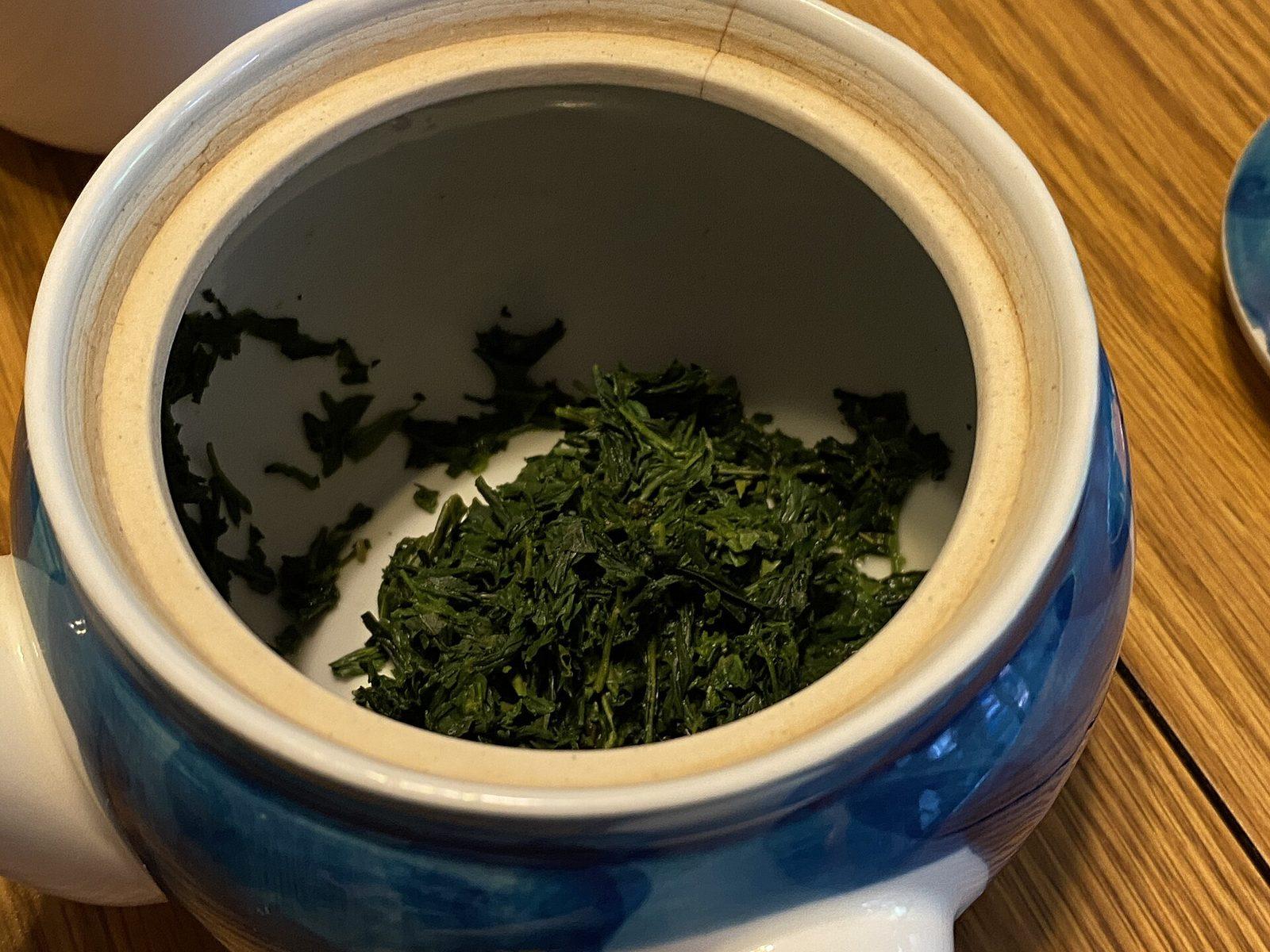
Once it tastes right, strain the leaves out. JETRO's last step is to stir, strain and enjoy, and its 2–3 day storage window assumes the leaves have been removed.
Storing it, and a few ways to serve it
JETRO says cold-brewed green tea is good for 2–3 days in the refrigerator. Keep it in a sealed bottle or pitcher, keep the fridge at 40°F or below (the CDC's standard), and pour it out if it smells off. For gear, see cold brew tea maker.
Cold green tea needs little added. A few ideas:
- Plain and well chilled. The best way to taste a good sencha.
- A strip of lemon or yuzu peel. Adds aroma without much acidity.
- Mint or cucumber. Add at serving rather than leaving them in the pitcher for days.
- Half sparkling water over ice.
- Sweetener, if you want it. Dissolve sugar or honey in a little hot water first; it won't dissolve in cold tea.
Worth knowing
Worked example from JETRO's numbers: a 2-quart pitcher holds 1.89 L, so 10–15 g per litre means about 19–28 g of tea. At ITO EN's ice-pot proportions (3 tsp in a small teapot for 3 minutes) you get the same kind of mild, sweet cup much faster, by using far more leaf for a much smaller pour.
Sources & further reading
- JETRO — Japanese Green Tea: How to Brew Mizudashi (Cold Brew) (10–15 g per 1 L, 8–10 h in the fridge, good 2–3 days) (read 2026-11-15)
- ITO EN — Cold Brew 2 Ways (bottle: 4 tsp, 1 h+; ice-pot: 3 tsp, ice + cold water, 3 min) (read 2026-11-15)
- Monobe M., 'Health Functions of Compounds Extracted in Cold-water Brewed Green Tea from Camellia sinensis L.', JARQ 2018;52(1):1–6 (cold ~10°C, 1 h: EGC ~70%, EGCG ~20%, caffeine ~50% of 80°C/2 min; iced water caffeine <20%; amino acids ~80%) (read 2026-11-15)
- Lantano C. et al., J Food Sci Technol 2015;52(12):8276–83, PMID 26604404 (abstract) (read 2026-11-15)
- Takeya — How to Make Cold Brew Tea (2-qt: 8 Tbsp in 7¾ cups; taste from 1 h) (read 2026-11-15)
- USDA FoodData Central — Beverages, tea, green, brewed, regular (12 mg caffeine/100 g; cup = 245 g) (read 2026-10-11)
- FDA — Spilling the Beans (green tea 37 mg per 12 fl oz) (read 2026-09-09)
- NIH NCCIH — Green Tea (read 2026-09-09)
- Tea Association of the USA — How to Brew (green 175–185°F, 1–3 min) (read 2026-10-11)
- CDC — Four Steps to Food Safety (refrigerate within 2 hours; fridge ≤40°F) (read 2026-10-11)
Frequently asked questions
How long should I cold brew green tea?
JETRO's mizudashi method gives 8–10 hours in the fridge for 10–15 g of tea per litre. ITO EN's bottle method starts at 1 hour. If you want overnight convenience, use JETRO's timing; if you're in a hurry, use more leaf and taste from the first hour.
How much green tea per quart for cold brew?
About 9.5–14 g, which is JETRO's 10–15 g per litre scaled to a 0.95 L quart. Weighing beats spooning, because rolled teas such as gunpowder pack more densely than flat or needle-shaped leaves.
Does cold brew green tea have less caffeine?
Usually. In a review by Monobe (2018), sencha steeped 1 hour in water around 10°C had about half the caffeine of a 2-minute 80°C infusion, and under 20% in iced water. A large dose steeped for a long time narrows the gap. Hot-brewed green tea that's simply chilled keeps its full caffeine.
Is it OK to drink green tea cold?
Yes. It's the same drink at a lower temperature. If it was brewed hot, refrigerate it within 2 hours, as the CDC advises for perishable food.
Why is my cold brew green tea bitter?
Most often the leaf is very fine (dust extracts fast), the dose is high, or a hot-brewed cup was chilled. Cold water extracts little EGCG, the main source of green tea's astringency, so whole leaf at JETRO's dose rarely turns harsh.
How long does cold brew green tea last?
JETRO says 2–3 days in the refrigerator. Strain out the leaves and keep it sealed.
Can I use green tea bags?
Yes. ITO EN's bottle method measures in teaspoons of tea, and bags simply skip the straining. Cold-brew green bags such as Twinings' or Celestial's come with their own box directions. See cold brew tea bags.