
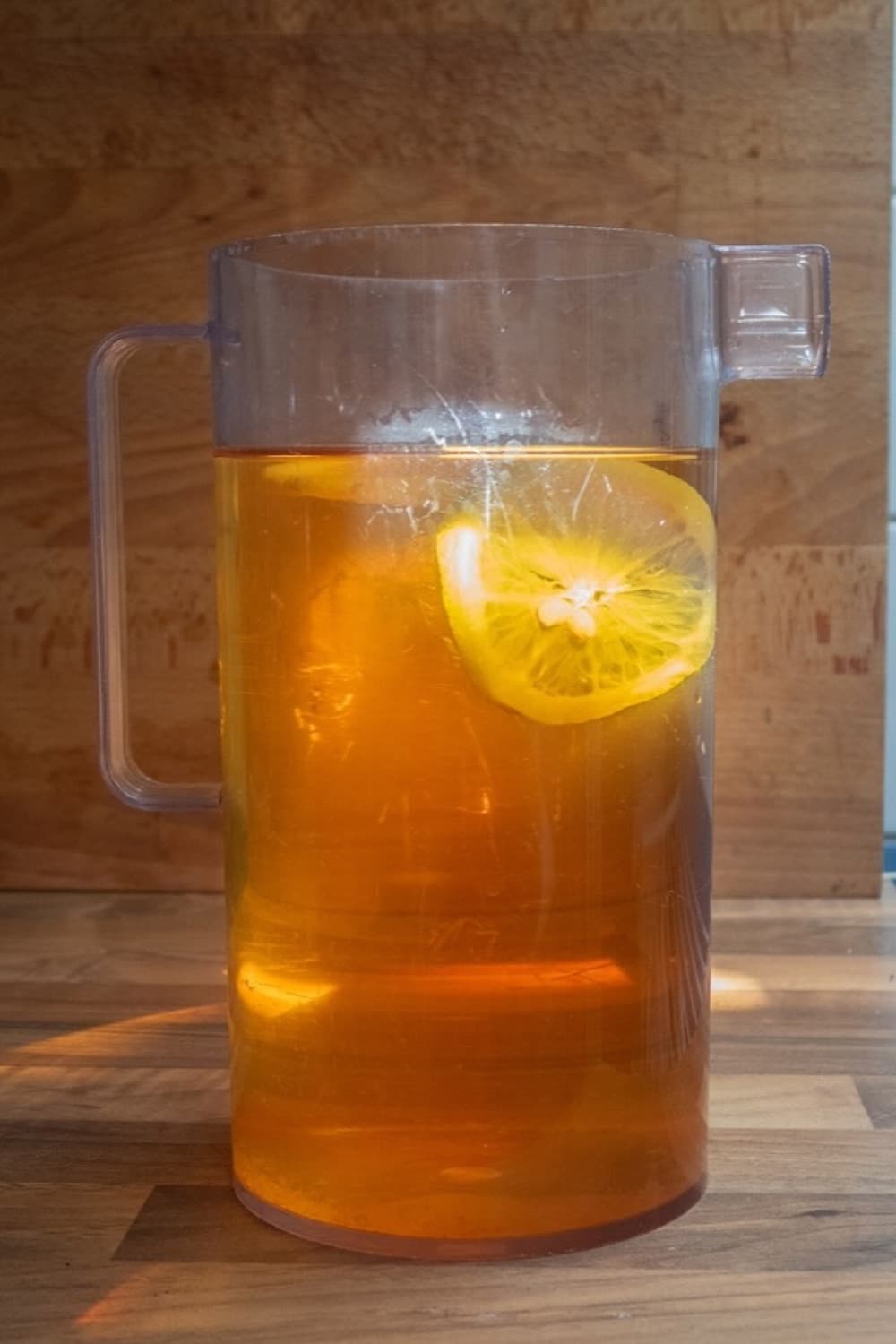
A good cold brew tea maker takes the one slightly fiddly part of cold-brewing — straining the leaves — and makes it disappear. Instead of pouring your tea through a sieve, you lift out a built-in filter, and that's it. Fill, refrigerate overnight, remove the filter, pour.
You don't strictly need a dedicated maker; a mason jar and a strainer will do. But if you brew cold tea regularly, the right vessel makes it cleaner, faster, and far more pleasant, with an airtight seal that keeps your tea fresh and fridge odors out.
Below we cover what actually matters when choosing one, a comparison of seven well-known makers, and honest notes on who each is best for.
Do you need a dedicated cold brew tea maker?
Honest answer: no — but many people are glad they bought one.
Cold brewing is fundamentally simple. You can make excellent cold brew tea in any lidded jar and strain it through a fine-mesh sieve or a few tea bags, as our how to make cold brew tea guide shows. That costs nothing extra.
Where a purpose-built maker earns its place is routine. If you brew a jar every couple of days, the daily friction of straining, of leaves escaping the sieve, of a jar that doesn't seal well, adds up. A dedicated maker fixes all of that with:
- A fine mesh filter you lift out in one motion — no separate strainer, no stray leaves.
- An airtight lid that keeps tea fresh for days and blocks fridge smells.
- A pour-friendly shape that fits the fridge door and doesn't drip.
Many cold brew coffee makers double perfectly as tea makers — the filter and vessel work the same way. The main thing to check is that the mesh is fine enough for tea leaves, which are often smaller than coffee grounds. In fact, most of the best-selling 'tea makers' on the market are simply well-designed cold brew coffee makers, so don't feel you have to hunt for one labeled specifically for tea; the label matters far less than the filter and the seal.
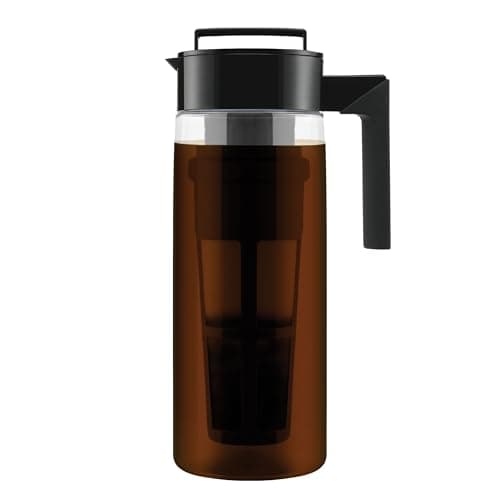
Takeya Deluxe Cold Brew Maker, 2 qt
Takeya Deluxe: the guide's all-rounder. Durable, airtight and fridge-door friendly.
Shop Now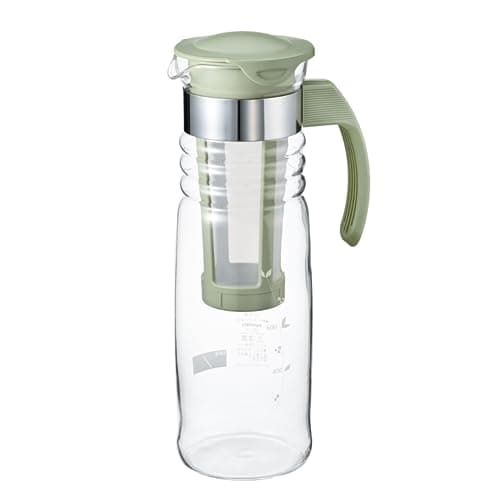
Hario "Mizudashi" Cold Brew Tea Maker
Hario Mizudashi: a fine mesh basket built for delicate leaves, the guide's pick for tea.
Shop Now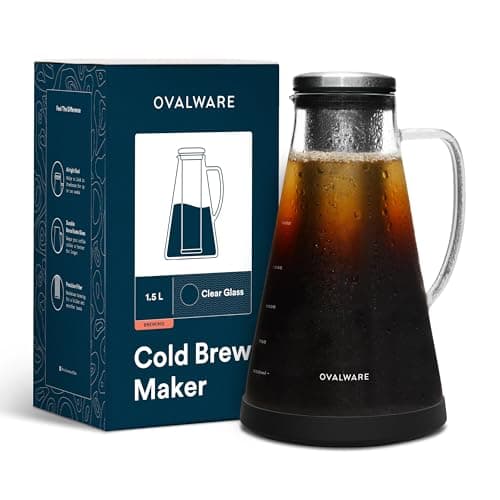
OVALWARE Airtight Cold Brew Coffee Maker with Tea Infuser & Spout
Ovalware glass, for watching the color develop without plastic.
Shop Now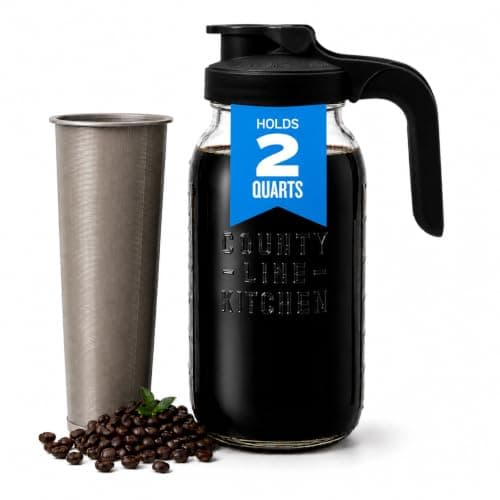
County Line Kitchen 64oz Cold Brew Coffee Maker with Leak Proof Lid
County Line Kitchen: a strong filter on a familiar mason jar, the guide's budget pick.
Shop Now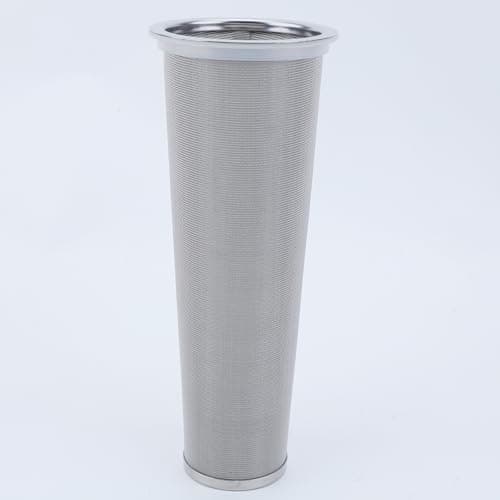
Fermus Cold Brew Coffee Filter for 64oz / 2Quart Wide Mouth Mason Jar
A filter lid for jars you already own, the mason-jar method this page compares.
Shop Now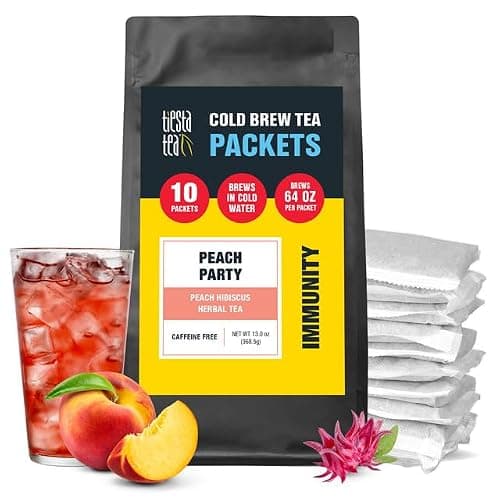
Tiesta Tea Peach Party Cold Brew Peach Hibiscus Herbal Tea Packets 10
Loose cold brew tea to fill whichever maker you choose.
Shop NowProduct prices and availability are accurate as of October 29, 2026 and are subject to change. Any price and availability information displayed on Amazon at the time of purchase will apply.
What to look for before you buy
Not all makers are equal. Here's what separates a good one from a frustrating one:
- Filter fineness. This is the big one for tea. Broken leaves and fannings are small, so you want a tight stainless-steel mesh. A coarse coffee-oriented filter can let sediment through, leaving cloudy tea.
- Capacity. 1 quart (about 1 liter) suits one or two people; 1.5–2 quarts suits a household or a fridge staple. Buy for how much you'll actually drink in 3–4 days.
- Material. Borosilicate glass is inert, doesn't stain, and looks clean, but it can break. BPA-free plastic (Tritan) is light and shatterproof but can stain from strong teas like hibiscus. Stainless steel is durable but you can't see the color develop.
- Seal quality. A truly airtight lid keeps tea fresh and lets you store it on its side without leaks. Weak seals are the most common complaint.
- Fridge fit. Measure your fridge door. A tall carafe that won't stand up in the door is a daily annoyance.
- Ease of cleaning. Wide openings and dishwasher-safe parts matter more than you'd think when spent leaves need rinsing out every couple of days.
Our top cold brew tea maker picks
We've grouped seven widely available makers by who they suit best. All of them work for cold-brewing tea; the products list below has direct links and honest blurbs. Here's the quick logic:
- Best all-rounder: the Takeya Deluxe — durable, airtight, and it fits a fridge door.
- Best for tea specifically: the Hario Mizudashi — a fine mesh basket clearly designed for delicate leaves.
- Best glass option: the Ovalware or County Line, for people who want to watch the color develop and avoid plastic.
- Best budget: a County Line mason-jar kit, which is essentially a great filter on a familiar jar.
Remember that a maker won't fix a poor ratio or timing. Pair any of these with the right cold brew tea ratio and steep time and you'll get consistently smooth results. If you specifically want a pitcher rather than a carafe-style maker, our best cold brew tea pitcher roundup covers those.
Glass vs plastic vs stainless: a quick comparison
The material you choose shapes the daily experience more than the brand does.
| Material | Pros | Cons | Best for |
|---|---|---|---|
| Borosilicate glass | Inert, no staining, see the color | Breakable, heavier | Tea purists, hibiscus and other staining teas |
| BPA-free plastic (Tritan) | Light, shatterproof, cheap | Can stain and scratch, may hold odors | Households with kids, travel, clumsy hands |
| Stainless steel | Very durable, insulates | Opaque (can't see color), pricier | Outdoors, long-term daily use |
For most tea drinkers we lean glass — it never stains, never holds flavors from the last batch, and lets you watch the brew, which is half the fun. If durability or a busy kitchen is your priority, a quality Tritan maker is the practical pick. Just avoid the cheapest unbranded makers, where the mesh is usually too coarse for tea leaves.
Getting the best results from your maker
Whichever maker you land on, a few habits get the most out of it:
- Match your leaf to the filter. If you use very fine, broken tea or the contents of tea bags, a second strain may still help even with a good filter. Whole-leaf tea gives the cleanest pour.
- Don't overfill the filter basket. Leaves expand as they hydrate. Leave room so water can circulate around them, or extraction is uneven.
- Refrigerate, always. Cold brew belongs in the fridge, both for flavor and food safety — never steep for hours at room temperature.
- Remove the filter on time. The whole point of a maker is easy removal; use it. Pull the filter at your target steep so the tea doesn't keep extracting into bitterness.
- Clean promptly. Rinse the mesh right after removing the leaves. Dried-on tea is harder to clear and can hold odors.
Follow those and your maker will deliver café-smooth cold brew on autopilot. The full technique lives on our cold brew tea home guide.
Cold brew tea maker vs the mason-jar method
So which should you actually do? It comes down to volume and habit.
Stick with a mason jar and sieve if: you cold brew occasionally, you already own jars, and you don't mind a 20-second strain. It costs nothing and the tea is exactly as good.
Buy a dedicated cold brew tea maker if: you brew regularly (say, twice a week or more), you want an airtight seal for freshness, you're tired of stray leaves, or you simply enjoy having a purpose-made tool that makes the ritual effortless.
A maker doesn't improve the tea — a jar of well-brewed cold tea tastes identical. What it improves is the experience: cleaner, faster, tidier, and more consistent. For a heavy cold-brew household, that convenience is easily worth the modest cost. For an occasional summer treat, your kitchen probably already has everything you need.
On price: most quality cold brew makers land in an affordable range, roughly the cost of a few coffee-shop iced teas, and a good one lasts for years. That's worth keeping in perspective. The expensive mistake isn't buying a maker — it's buying the cheapest one, where a coarse filter and a leaky lid create exactly the frustrations you were trying to avoid. If you're going to buy one at all, skip the bottom of the range and get a well-reviewed model with a fine stainless filter and a proven seal. Spend a little more once, brew smooth tea for years, and never touch a separate strainer again. And whichever route you choose, the tea itself is only ever as good as your leaf, ratio, and timing — the vessel is just what makes doing it well effortless.
Worth knowing
One filter detail worth checking before you buy: tea leaves — especially the broken leaves inside tea bags — are frequently smaller than coffee grounds, so a mesh rated as 'fine' for coffee can still let tea sediment through. Makers with laser-cut or double-layer stainless mesh (Hario, Ovalware) pour visibly clearer tea than coarser coffee-first designs, which is the single biggest reason to pick a tea-friendly filter over a generic one.
Sources & further reading
Frequently asked questions
Can I use a cold brew coffee maker for tea?
Yes — most cold brew coffee makers work perfectly for tea, since the filter-and-vessel design is the same. The one thing to check is that the mesh filter is fine enough for tea leaves, which can be smaller than coffee grounds. Makers like the Takeya and Hario handle both well.
What size cold brew tea maker should I get?
Buy for how much you'll drink in 3–4 days, since that's how long cold brew tastes best. A 1-quart (1-liter) maker suits one or two people; 1.5–2 quarts suits a household or a fridge staple. Bigger isn't better if half of it goes flat before you finish it.
Is glass or plastic better for a cold brew tea maker?
Glass is inert, never stains, and lets you watch the color develop — ideal for staining teas like hibiscus. BPA-free plastic is lighter and shatterproof, better for kids or travel, but can stain and scratch over time. Most tea drinkers prefer glass unless durability is the priority.
Do I really need a cold brew tea maker, or is a jar fine?
A jar and a fine-mesh strainer make identical tea for free — a maker doesn't improve flavor. What it improves is convenience: an airtight seal, a lift-out filter, and no stray leaves. If you brew often, that's worth it; if it's an occasional treat, your kitchen already has what you need.
Why is my cold brew cloudy even with a maker?
Usually the filter mesh is too coarse for your tea, letting fine sediment through, or you're using broken bag tea. Switch to whole-leaf tea, or do a quick second strain. Note that some cloudiness in hot-then-chilled tea is normal; true cold brew stays clear when filtered well.
How do I clean a cold brew tea maker?
Rinse the mesh filter right after lifting out the spent leaves — dried tea is harder to remove and can hold odors. Most glass and stainless parts are dishwasher-safe; wash plastic by hand to avoid scratching. An occasional soak in a baking-soda solution clears tea stains.
Can I brew loose leaf and tea bags in the same maker?
Yes. Loose leaf goes in the filter basket; tea bags can go straight in the water and be lifted out, or into the basket too. For very fine bag tea, a good filter still helps but a second strain gives the cleanest pour. See our cold brew tea bags guide.
How long does tea keep in a cold brew maker?
Once you've removed the filter, cold brew tea keeps about 3–5 days in the fridge in an airtight maker. Always store it with the leaves removed so it doesn't keep extracting. For the full breakdown, see how long does cold brew tea last.
Are cold brew tea makers dishwasher safe?
Many are, but it varies by model and material. Borosilicate glass and stainless steel parts are usually dishwasher-safe; plastic components and fine mesh filters often last longer with gentle hand washing. Check the manufacturer's guidance for your specific maker.