
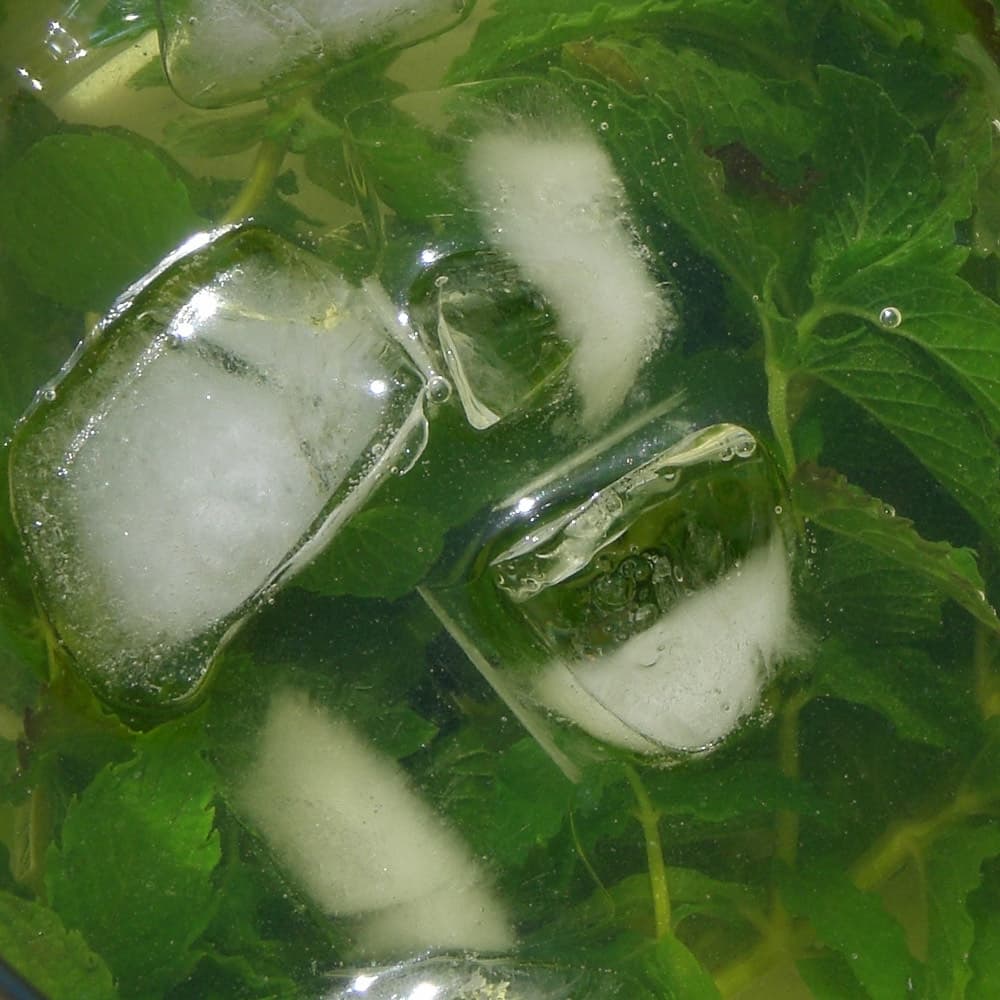
Most advice on cold brew herbal tea treats it exactly like cold brew black or green tea — drop the herbs in cold water, refrigerate for 8 to 12 hours, strain — but food-safety authorities draw a line between the two that most recipes skip. Germany's Federal Institute for Risk Assessment (BfR) advises that herbal and fruit infusions should always be made with water at a rolling boil and left to infuse for at least five minutes, because dried plant material can, in rare cases, carry germs such as salmonella that only adequate heat reliably kills.
That does not mean giving up iced hibiscus or chilled mint on a hot day. It means changing the order: let boiling water do the safety work first, then let the refrigerator do the chilling. This guide explains the reasoning behind the advice, gives a hot-bloom-then-chill method that keeps the smooth, cold character people want from cold brewing, covers the special bags sold for cold infusion — including what a 2024 laboratory survey of them found — and ends with storage rules and notes for the four herbal teas people chill most often.
Why Herbal Tea Gets Different Advice From Real Tea
"Herbal tea" is not tea in the botanical sense. Hibiscus, peppermint, chamomile and rooibos are dried flowers, leaves and stems from other plants, and the BfR describes herbal and fruit infusions as "tea-like beverages" that should always be prepared with boiling water on hygienic grounds. Its explanation, from its press release Boiling water a must for herbal teas:
- In some cases, germs such as bacteria, yeast or mould may be present in products of plant origin, and in isolated cases they may be pathogenic bacteria like salmonella.
- Only adequate heating can kill germs of this kind with any degree of certainty, so consumers should never prepare herbal tea with warm water.
- Incorrectly prepared, contaminated herbal tea can become a major health risk for small children and sick individuals.
- The advice applies to both loose herbs and tea bags.
- Infused tea should not be allowed to stand for several hours, because spores can survive boiling and germinate in warm liquid.
The BfR even rules out hot-water dispensers for herbal tea: their water is typically only 80–85°C, which it says is not enough to reliably kill any germs present.
A Swiss government laboratory made the cold-brew connection explicit in 2024. The Kantonales Laboratorium Basel-Stadt noted that steeping with hot water brings a reduction in germs, and that this germ-reducing step is missing when tea is steeped cold — so cold-steeped tea carries an increased risk of taking in any harmful germs that may be present.
None of this means ordinary herbal tea is commonly contaminated; the BfR's own wording is "in rare cases." It means the heat step is the safeguard, and a plain cold steep removes it. That is the difference between cold brewing true tea and cold brewing herbs.
Tea & gear for this guide
Amazon picks matched to this guide. As an Amazon Associate, Tea & Peace earns from qualifying purchases.
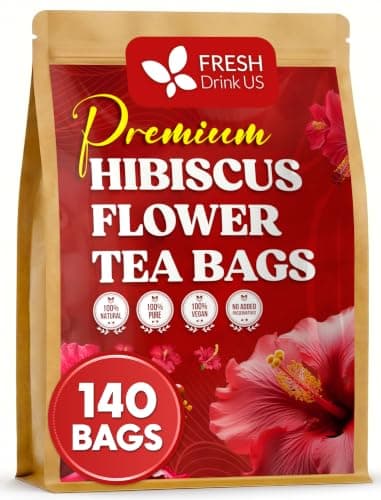
FreshDrinkUS, 140 Bags Hibiscus Flowers Tea
Dried hibiscus, one of the four herbs the page covers, using the hot-bloom-then-chill method.
Shop Now
Frontier Co-op Peppermint Leaf, Cut and Sifted Leaves
Loose peppermint for a cooling iced herbal, brewed with a short hot bloom first.
Shop Now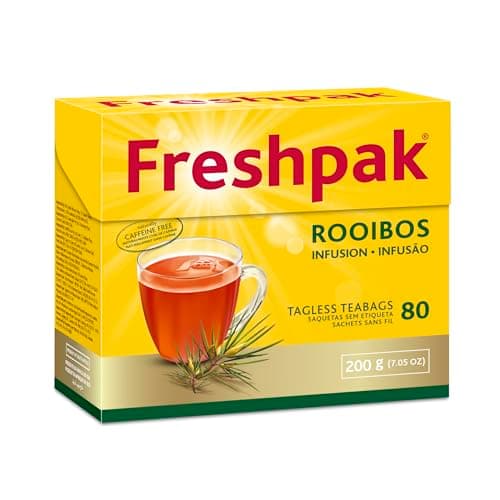
Freshpak® Rooibos Tea | 80 Tagless Teabags
Rooibos bags: a smooth, caffeine-free herbal that is easy to chill.
Shop Now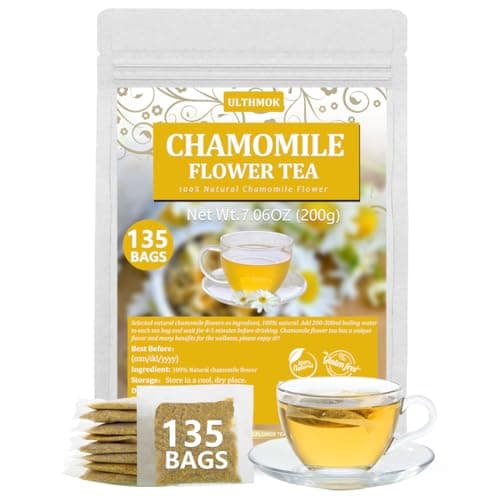
135 Premium Chamomile Tea Bags, Made with 100% Pure Natural Chamomile
Chamomile bags for a mellow, apple-like iced herbal tea.
Shop Now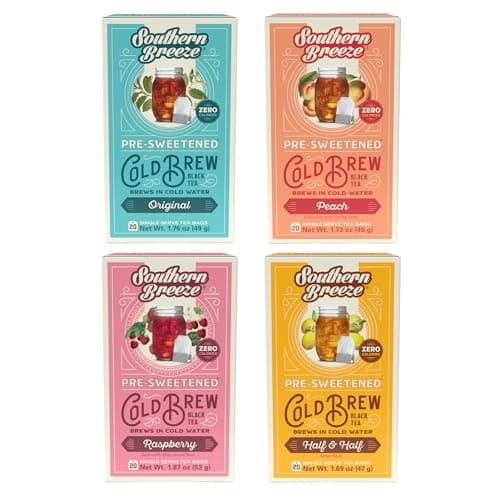
Southern Breeze Cold Brew Sweet Tea Variety Pack Iced Tea with Black
Herbal blends sold for cold brewing, the products the page discusses directly.
Shop Now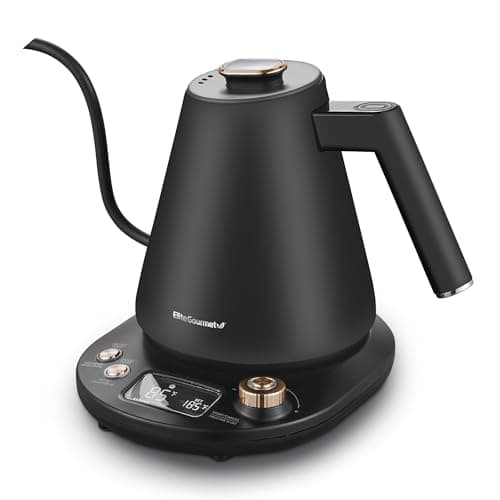
Elite Gourmet EKT3001 1L Digital Kettle
The hot bloom needs near-boiling water, so a fast electric kettle helps.
Shop NowProduct prices and availability are accurate as of October 29, 2026 and are subject to change. Any price and availability information displayed on Amazon at the time of purchase will apply.
The Hot-Bloom-Then-Chill Method
This method keeps the BfR's heat step and still ends with a cold, smooth pitcher. It works for any loose herbal blend or herbal tea bag.
- Measure the herbs for the finished volume. Use the amount the package recommends for the total amount of iced tea you want — but plan to brew it in only about half that volume of water.
- Bring water to a rolling boil. Not a kettle that switched off a while ago, and not a hot-water dispenser; the BfR says dispenser water at 80–85°C is not hot enough.
- Pour the boiling water over the herbs in a heatproof jug or pot.
- Steep for at least five minutes, covered. Five minutes is the BfR's minimum; herbal infusions can go longer for a stronger flavor without the bitterness that tea leaves develop.
- Strain or remove the bags. You now have a hot concentrate.
- Chill it fast. Add the other half of the volume as cold water, or pour the concentrate over plenty of ice. This brings the temperature down quickly, so the infusion does not stand warm — the BfR warns that heat-resistant spores can germinate if infused tea stands for hours.
- Refrigerate promptly. The CDC advises refrigerating perishable food within 2 hours (1 hour above 90°F) and keeping the fridge at 40°F or below.
The result tastes closer to cold brew than to "leftover hot tea," because it spends only minutes hot and the rest of its life cold. If you want a softer, rounder flavor, use fewer herbs rather than a shorter hot steep; the five minutes are the safety part, the quantity is the flavor part.
The same principle is how brands make iced tea from hot water: Lipton's family-size method steeps bags in boiling water, then fills the pitcher with ice or cold water. Our how to make iced tea guide covers the concentrate approach in more detail for black and green tea.
What About Herbal Blends Sold for Cold Brewing?
Supermarket shelves now carry herbal and fruit blends labelled for cold infusion, with instructions to steep in cold water. These are a different case from ordinary herbal tea, and there is some useful independent testing of them.
In a campaign from January to April 2024, the Kantonales Laboratorium Basel-Stadt collected 15 different cold-brew teas — 13 in Basel-Stadt and 2 in Aargau — and tested them after preparing each one with cold water exactly as its label instructed. Where the label said how long the prepared drink could be kept, the lab stored it for that period and tested it again. It checked for salmonella, Shiga-toxin-producing E. coli and the hygiene indicator E. coli, and counted the spore-formers Bacillus cereus and Clostridium perfringens.
The results were reassuring for those products:
- No salmonella, Shiga-toxin-producing E. coli, C. perfringens or hygiene-indicator E. coli was found in any of the 15 samples.
- One sample contained a single colony-forming unit of B. cereus per gram of tea, which the lab described as harmless if the tea is drunk promptly, since B. cereus usually causes food poisoning only at counts in the hundreds of thousands per gram.
- The lab concluded that the producers of the products it examined have the microbiological risks of cold-steeped tea well under control.
Two practical takeaways follow. Products sold specifically for cold infusion are a reasonable choice for genuine cold brewing, provided you follow the label exactly, including any "drink within" time. And that finding applies to those products, not to ordinary herbal tea bags or loose herbs, which are made with a boiling-water preparation in mind and carry the BfR's hot-water advice.
Hibiscus, Mint, Rooibos and Chamomile
These are the four herbal infusions people most often want cold. All four are naturally caffeine-free: USDA FoodData Central lists brewed hibiscus and chamomile at 0 mg caffeine, Harvard's Nutrition Source names chamomile and peppermint among naturally caffeine-free herbal teas, and rooibos contains no caffeine. (Yerba mate and guayusa, by contrast, are herbal-style drinks that do contain caffeine.) The table applies the hot-bloom-then-chill method to each; the hot step is the same for all of them.
| Herbal tea | Hot step | Chilling notes |
|---|---|---|
| Hibiscus | Boiling water, 5+ minutes | Deep red, tart concentrate; takes ice and dilution well |
| Peppermint | Boiling water, 5+ minutes | Pour over ice; fresh mint leaves can go in at serving |
| Rooibos | Boiling water, 5+ minutes | Mild and rounded; a good base for fruit slices |
| Chamomile | Boiling water, 5+ minutes | Delicate; use a little more than for a hot cup so dilution doesn't wash it out |
Hibiscus is the herbal tea most associated with cold brewing, and the one where the hot-then-chill method changes the least about the result: it gives up its color and tartness quickly in boiling water and dilutes into a bright iced drink. Our cold brew hibiscus tea page covers sweetening and blends.
Mint is the easiest to freshen at the end. Brew dried peppermint hot, chill it, then add a few clean fresh leaves to the glass for aroma.
Rooibos keeps its smooth, slightly sweet character well when chilled, and pairs with citrus.
Chamomile is the most delicate of the four; if the iced version tastes faint, increase the amount of flowers rather than cutting the five-minute hot steep.
Whatever the herb, the five minutes in boiling water is the fixed part of the recipe. Everything after that — dilution, sweetener, fruit, fresh herbs — is taste.
Storing Herbal Iced Tea Safely
Once brewed and chilled, herbal iced tea should be treated like any other perishable drink.
Refrigerate it. The CDC's guidance is to keep the refrigerator at 40°F or below and to refrigerate perishable food within 2 hours, or within 1 hour if it has been somewhere above 90°F, such as a hot car or a picnic. A pitcher of iced hibiscus left on the patio all afternoon falls outside that window.
Don't let it stand warm. The BfR's advice is that infused herbal tea should not be left to stand for several hours, because spores that survive boiling can germinate in warm liquid. That is the reason the method above chills the concentrate immediately instead of letting it cool slowly on the counter.
Follow the label for cold-infusion products. If a blend made for cold water gives a "consume within" time, that is the window its maker designed for; the Basel laboratory tested products over exactly those stated windows.
Keep the equipment clean. Use a pitcher you can wash thoroughly, and add fresh garnishes — mint leaves, citrus slices — at serving time rather than leaving them to soak for days.
Be most careful for the most vulnerable drinkers. The BfR singles out small children and sick individuals as the people for whom a contaminated, incorrectly prepared herbal tea can be a major health risk. For them, stick to the boiling-water method.
How long chilled tea keeps in the fridge is covered in our how long does cold brew tea last guide, and the cold brew tea hub covers cold brewing true tea, where the long cold steep is the standard method.
This page is general food-safety information, not medical advice. If you are preparing drinks for an infant, someone who is pregnant, or someone who is ill or immunocompromised, follow the advice of their doctor.
Worth knowing
Reference point (from a government laboratory, not a kitchen test): in January–April 2024 the Kantonales Laboratorium Basel-Stadt prepared 15 retail cold-brew teas exactly as labelled, stored them for their stated shelf life, and found no salmonella, Shiga-toxin-producing E. coli, C. perfringens or indicator E. coli in any sample — but it framed that as manufacturers controlling a real risk, because cold steeping lacks the germ-reducing step that hot water provides.
Sources & further reading
- German Federal Institute for Risk Assessment (BfR) — 'Boiling water a must for herbal teas', press release 14 Dec 2005 (read 2026-10-11)
- Kanton Basel-Stadt, Kantonales Laboratorium — 'Keine Keimbelastung bei untersuchten Cold Brew Tees', 14 Oct 2024 (15 cold-brew teas tested) (read 2026-10-11)
- CDC — Four Steps to Food Safety (fridge at or below 40°F; refrigerate within 2 hours, 1 hour above 90°F) (read 2026-10-11)
- USDA FoodData Central — brewed herbal teas, caffeine 0 mg (hibiscus, chamomile) (register, read 2026-09-09)
- Harvard T.H. Chan School of Public Health — The Nutrition Source: Tea (chamomile, peppermint naturally caffeine-free) (read 2026-10-11)
- Wikipedia: Rooibos (caffeine-free herbal infusion) (read 2026-10-11)
- Lipton — Iced Black Tea Family Size: brew in boiling water, then fill with ice or cold water (read 2026-10-11)
Frequently asked questions
Does cold brew herbal tea need to steep 8–12 hours?
Time in cold water does not do the job that boiling water does. Germany's BfR advises making herbal and fruit infusions with water at a rolling boil for at least five minutes, so the safer route is a five-minute hot steep, then chilling. For blends sold specifically for cold infusion, follow the time printed on the pack.
Is it safe to cold brew herbal tea?
Food-safety authorities advise against it for ordinary herbal tea. The BfR says herbal teas should always be made with boiling water because dried plant material can, in rare cases, carry germs like salmonella, and a Swiss state lab notes cold steeping lacks the germ-reducing step of hot water. Products made for cold infusion were clean in that lab's 2024 testing.
Does cold brew herbal tea need to be refrigerated?
Yes. The CDC advises keeping the fridge at 40°F or below and refrigerating perishable food within 2 hours (1 hour above 90°F). The BfR also advises against letting infused herbal tea stand for several hours.
Can I leave herbal tea out overnight?
It's best not to. The BfR warns that spores can survive boiling and germinate in infused tea left to stand for hours. Chill the tea promptly after brewing and keep it refrigerated.
Is water from a hot-water dispenser hot enough for herbal tea?
According to the BfR, no. Dispenser water is generally only 80–85°C, which it says is not enough to reliably kill germs that may be present. Use water at a rolling boil.
Does hibiscus tea have caffeine?
No. USDA FoodData Central lists brewed hibiscus tea at 0 mg of caffeine, as it does chamomile. Harvard's Nutrition Source lists peppermint as naturally caffeine-free, and rooibos contains none; yerba mate and guayusa are the herbal-style exceptions that do contain caffeine.
Can children drink cold brew herbal tea?
If you give herbal tea to children, use the boiling-water method. The BfR specifically names small children and sick individuals as the groups for whom incorrectly prepared herbal tea can be a major health risk. Ask your pediatrician about herbal teas for infants and young children.