
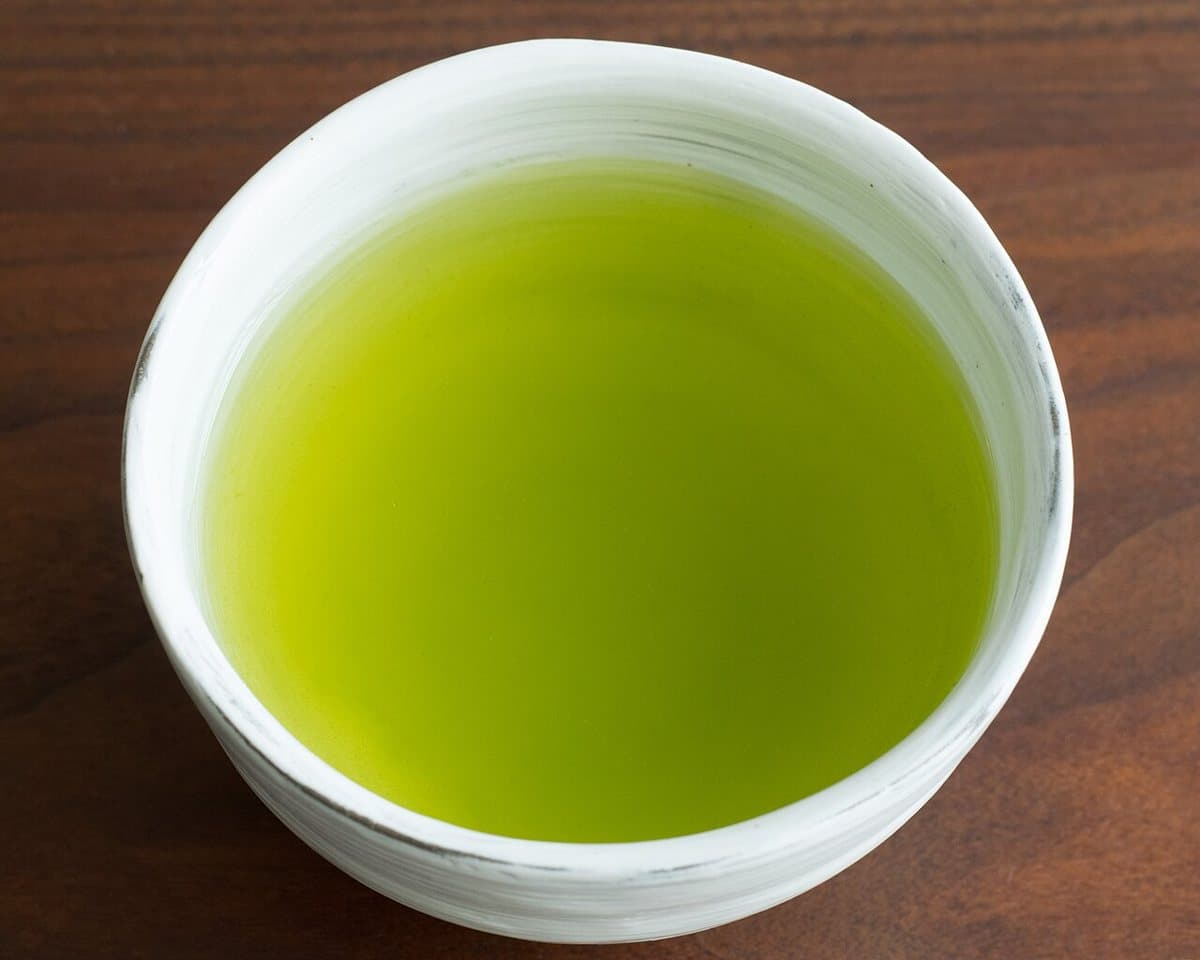
The best green tea for cold brew isn't simply "a good green tea" — cold water extracts so differently from hot that some excellent hot-brewing teas turn flat in the fridge while modest ones turn brilliant. Cold brewing pulls sweetness and amino acids while leaving most bitterness behind, which flatters certain green tea styles enormously: Japanese sencha becomes almost brothy-sweet, Chinese gunpowder goes crisp and clean, and jasmine green turns into something close to a floral cordial. This guide covers which styles to buy, the specific teas we keep coming back to, and the ratio and timing that make any of them work.
What Makes a Green Tea Great for Cold Brewing
Three properties predict cold brew success:
High amino acid content. The sweet-savory compounds (theanine chief among them) extract readily in cold water while bitter catechins mostly stay in the leaf. Shaded and steamed Japanese teas — sencha, and kabusecha if you find it — are richest in them, which is why Japan practically invented cold-brewed green tea (mizudashi).
Whole or lightly broken leaf. Intact leaves release slowly and cleanly across an 8-hour steep. Dust and fannings (most bagged green tea) dump everything fast, including the harsh notes cold brewing is supposed to avoid — if bags are what you have, our cold brew tea bags guide covers making them work.
A flavor profile with something to amplify. Cold brewing is a magnifier of what's pleasant and a mute on what's harsh. Grassy-sweet sencha and floral jasmine have plenty to amplify; a smoky or very vegetal tea just tastes dilute.
The practical shortlist: sencha for sweet-umami depth, gunpowder for crisp economy, jasmine green for aromatics, Dragonwell for a chestnut-soft middle ground. All four appear in the picks below.
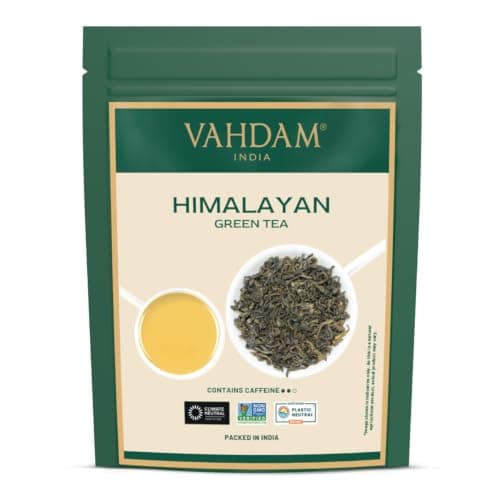
VAHDAM Himalayan Green Tea Leaves (50+ Cups)
Whole-leaf high-mountain green that cold brews clean and lightly sweet — our default everyday pitcher tea at roughly 30¢ a quart.
Shop Now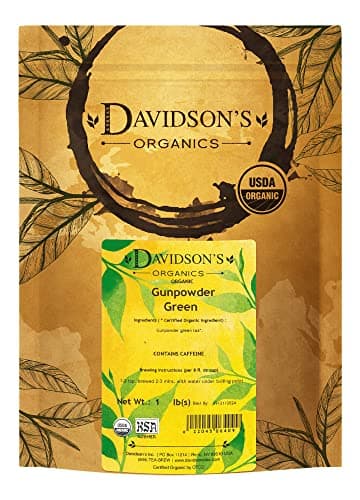
Davidson's Organics Gunpowder Green, Loose Leaf, 1 lb
A full pound of rolled gunpowder — crisp, clean cold brew for months of pitchers. Give the pellets a quick hot rinse first.
Shop Now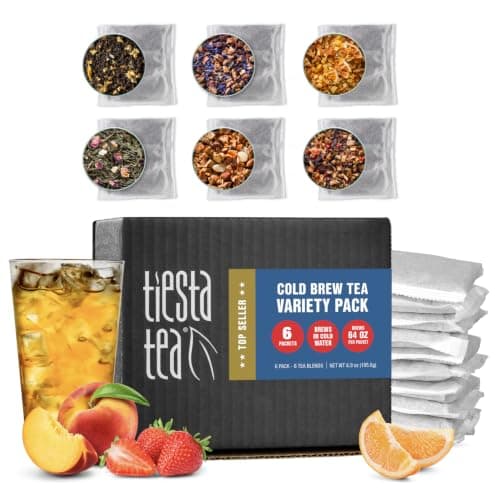
Tiesta Tea Cold Brew Variety 6-Pack, Loose Leaf
A blended sampler built specifically for cold water — the easy way to find which flavor direction you like before committing to a big bag.
Shop Now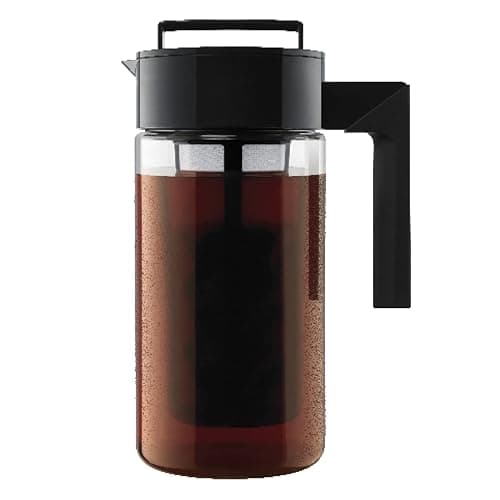
Takeya Deluxe Cold Brew Pitcher (BPA-Free, Airtight)
The workhorse brewing pitcher: fine-mesh basket holds the loose leaf, airtight lid, fits a fridge door shelf. One tool, zero mess.
Shop Now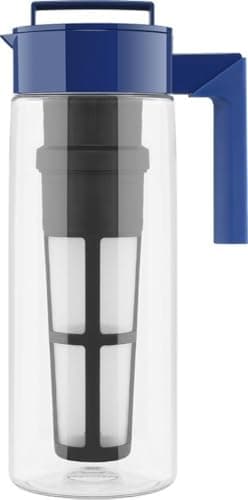
Takeya Flash Chill Iced Tea Maker
For the impatient: brew hot green tea concentrate in the basket, shake over ice, iced green tea in five minutes. Doubles as a standard cold brew pitcher overnight.
Shop NowProduct prices and availability are accurate as of September 14, 2026 and are subject to change. Any price and availability information displayed on Amazon at the time of purchase will apply.
How We Chose These Teas
Every candidate went through the same test: 1.5 tablespoons per quart of filtered water, 8 hours in the same refrigerator, tasted side by side at the same temperature — because cold brew comparisons are meaningless unless the method is held constant. We scored three things:
Sweetness without additions. The entire promise of cold-brewed green tea is natural sweetness; a tea that needed honey to be pleasant was cut.
Clarity of flavor at day two. Plenty of teas taste fine at hour eight and muddy by the next evening. The keepers stay clean through the realistic drinking window of a fridge pitcher.
Forgiveness. We deliberately oversteeped each tea to 14 hours once. The picks below stayed drinkable; several candidates (mostly broken-leaf and flavored blends) turned harsh or soapy and were dropped.
Ratings and review counts on the cards reflect each product's Amazon listing; our ranking is our own testing order, not a popularity sort. And a scope note for fairness: this page covers green tea specifically — if you want the full landscape across black, oolong, and herbal options, start at how to make cold brew tea.
Our Picks
Every pick below is chosen on cold-brew behavior specifically — how it tastes after 8 hours in the fridge, not 2 minutes in a kettle. Prices and availability shift; current numbers appear on each card.
The Ratio and Timing for Cold Brew Green Tea
The formula barely changes across teas:
- Ratio: 1.5 tablespoons of loose leaf per quart of cold water (about 1.5× your hot-brew amount). With gunpowder, which is dense and rolled, a level tablespoon per quart is enough.
- Time: 6–8 hours in the refrigerator. Green tea is the fastest of all cold brews — past 10 hours it slowly picks up a stewed edge, unlike black tea which shrugs off 12.
- Water: filtered if your tap is hard; cold brew's delicacy makes mineral off-notes easier to taste.
- Strain and drink within 3 days.
Start the jar before bed and the tea is ready with breakfast. The full walkthrough with photos of each stage lives in cold brew green tea, the general method in how to make cold brew tea, and the master measurements in the cold brew tea ratio chart.
One upgrade worth the two extra minutes: a quick 5-second hot rinse of the leaves before they go into cold water. It wakes rolled teas like gunpowder and jasmine pearls, and the resulting brew tastes fuller by the same margin a rinse improves a gongfu session.
Reading a Green Tea Label for Cold Brew
Four label details predict cold-brew results better than brand names:
Harvest date beats 'best by' date. Green tea is a fresh product; flavor fades within 12–18 months of harvest even sealed. A label confident enough to print the picking season (spring harvests are the sweetest) is usually hiding nothing. 'Best by 2029' with no harvest date is a warning, not a reassurance.
'Whole leaf' or visible leaf grade. Words like fannings or dust never appear on labels — you infer them from price and from photos of the actual leaf. If the picture shows uniform dark crumbs, it will cold brew harsh.
Steaming vs pan-firing. Japanese-style steamed teas (sencha) cold brew sweeter and greener; Chinese pan-fired teas (Dragonwell and cousins) brew nuttier and softer. Neither is wrong — it's the axis of choice.
Origin specificity. 'Product of multiple origins' is blend-house language; a named region or garden correlates strongly with the leaf quality cold brew rewards. This is the same buying logic as the broader green tea guide, just with the stakes raised — cold water hides none of the corners a blender cut.
Styles That Don't Cold Brew Well
Saving you a few disappointing pitchers:
- Matcha isn't a cold steep. Powder doesn't steep — it suspends. Cold matcha is excellent but it's a whisking method, covered in cold brew matcha.
- Heavily roasted greens (hojicha-style) lose their toasty warmth in cold water and read thin. They want heat.
- Old tea. Green tea fades within a year of harvest even sealed, and cold brewing hides nothing — a stale sencha that passes with hot water and honey tastes like cardboard water from the fridge. Check harvest dates when buying; this matters more for cold brew than for any hot method.
- Flavored teas with oils sprayed on (most "tropical green" blends) — the flavoring floats and the tea underneath is usually filler. Naturally scented jasmine, where blossoms perfume the leaf, is the exception and cold brews beautifully.
If you want variety beyond green, nearly every true tea cold brews — the same fridge method makes excellent cold brew oolong and cold brew black tea.
Bagged vs Loose for Cold Brew Green Tea
Loose leaf wins on flavor — whole leaves, slower extraction, cleaner cup — but the gap is narrower in cold brew than in hot brewing, because cold water is gentle even on broken leaf. A dedicated cold-brew bag line (several picks above) splits the difference: proper leaf grade portioned into pitcher-sized sachets, no strainer needed.
Where bags genuinely make sense: offices, travel, and anyone who wants zero cleanup. Where loose leaf earns its keep: cost per quart (good loose sencha runs 30–50¢ per pitcher versus $1+ for premium sachets) and access to the single-origin teas that make the method sing. The middle path we use most: loose tea in a pitcher with a built-in infuser basket, which brews loose but cleans up like bags. More on the loose-leaf argument in loose leaf tea.
Whichever route: green tea for cold brew is a place where spending $15–25 on genuinely fresh leaf beats $8 on supermarket bags by a wider margin than any gear upgrade in tea.
Serving Ideas That Respect the Tea
Cold brew green tea is complete unsweetened — the method's whole point is sweetness without sugar — but a few additions play well:
- Citrus peel, not juice: a strip of lemon or yuzu peel in the pitcher for the final hour adds aroma without acidity clouding the brew.
- Mint + gunpowder is the classic North African pairing gone cold: crisp and cooling.
- A pinch of salt (genuinely, a few grains) rounds sencha's umami — a Japanese trick that reads as "fuller," not salty.
- Sparkling water 1:1 over ice turns strong-brewed jasmine cold brew into the best sugar-free "soda" we know.
For entertaining, brew double-strength and pour over ice in the glass rather than diluting the pitcher — it holds flavor as the ice melts, the same principle behind clear, never-cloudy iced tea.
Cost per Pitcher: The Honest Math
Cold brew green tea is one of the cheapest premium drinks it's possible to make at home, and the math is worth seeing plainly. A quart pitcher uses roughly 6 grams of leaf. At that rate:
| Tea | Bag/tin price | Cost per quart |
|---|---|---|
| Supermarket bags | ~$4 / 20 bags | ~$0.60 |
| Mid-range loose sencha (100 g) | ~$13 | ~$0.78 |
| Premium loose sencha (100 g) | ~$25 | ~$1.50 |
| Cold-brew sachet lines | ~$17 / 10 pitchers | ~$1.70 |
The striking row is the middle one: genuinely good loose-leaf green tea costs pennies more per pitcher than the supermarket bags it dramatically outperforms — and roughly a third of what a single café iced tea costs. Bought as a pound (like the gunpowder pick above), the per-quart cost drops under fifty cents for months of brewing.
That math is also the quiet argument against agonizing over which premium tea to choose: at a dollar-fifty a quart for the expensive option, trying two or three candidates side by side costs less than one delivery drink, and your own fridge taste-test beats any review — ours included.
From our testing notes
We cold brewed four green teas side by side for 8 hours at 1.5 Tbsp per quart: a fresh sencha, gunpowder, jasmine green, and a two-year-old bagged supermarket green. The sencha came out honestly sweet with zero additions; gunpowder was the crispest and most 'iced-tea-like'; jasmine drank like a floral soft drink. The stale bagged tea — fine with honey when brewed hot — was unmistakably flat and papery cold, the clearest demonstration we've seen that cold brew hides nothing about leaf freshness.
Sources & further reading
Frequently asked questions
What type of green tea is best for cold brew?
Japanese sencha is the gold standard — its high amino acid content turns sweet and smooth in cold water. Gunpowder green is the best budget choice, jasmine green the best aromatic one, and Dragonwell a gentle middle ground. Freshness matters more than provenance: any of these from the latest harvest beats a stale premium tea.
How long should green tea cold brew?
6–8 hours in the refrigerator. It's the fastest cold-brewing tea — drinkable at 4 hours, peak around 8, and best strained by 10–12 before a stewed note creeps in.
Does cold brew green tea have caffeine?
Yes, but noticeably less than hot-brewed — cold water extracts caffeine more slowly, typically yielding half to two-thirds of a hot cup's dose over an 8-hour steep. Our cold brew tea caffeine guide has measured numbers by tea type.
Why is my cold brew green tea bitter?
Either the steep ran far too long (past 12 hours), the leaf is heavily broken (dust extracts harshly even cold), or the ratio crept high. At 1.5 Tbsp per quart for 8 hours, whole-leaf green tea essentially cannot turn bitter — cold water barely touches the bitter catechins.
Can I cold brew green tea at room temperature instead of the fridge?
The fridge is the right call. Room-temperature steeping is faster (3–4 hours) but extracts more tannin and is less food-safe over long, unattended steeps. Refrigerated brewing is slower, sweeter, and worry-free overnight.
Is jasmine green tea good for cold brew?
Excellent — genuinely scented jasmine (blossom-perfumed leaf, not sprayed flavoring) cold brews into a naturally sweet, floral drink that converts people who claim not to like green tea. Use the standard 1.5× ratio and 6–8 hours.
Can I cold brew green tea twice with the same leaves?
Once more, yes — same water volume, add 2–4 hours. The second batch runs about two-thirds strength with softer aroma; blending it with the tail of the first batch evens things out. Beyond two rounds, cold water has taken what the leaf will give.