
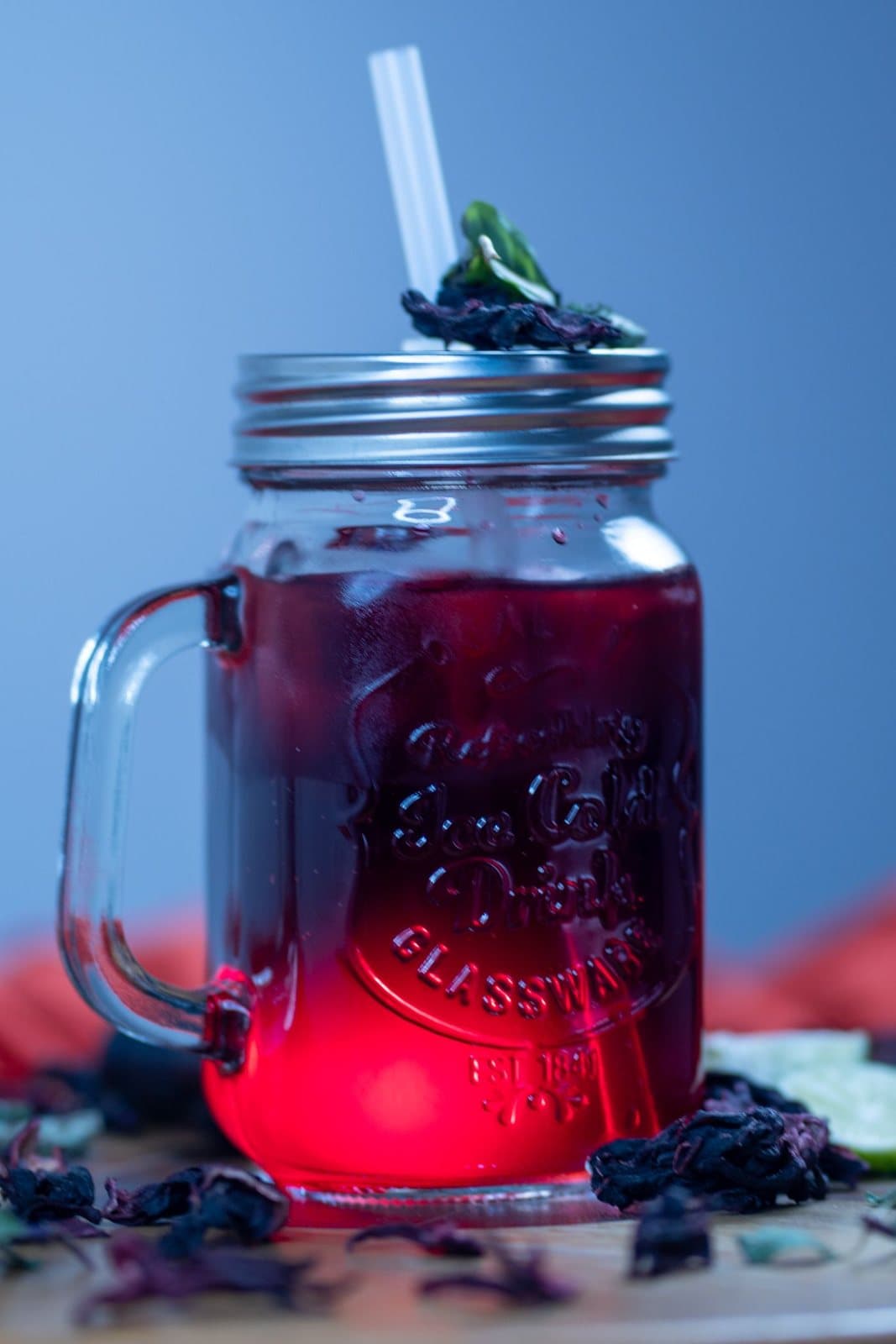
The best cold brew tea bottle solves a problem pitchers don't: space and portability. A bottle slips into the fridge door shelf, brews single-batch quantities you'll actually finish in two days, and — in the filter-in-bottle designs — goes from "leaves in, water in, fridge" to pouring a finished glass with nothing to strain. We measured the formats against each other: slim wine-bottle-style brewers, mesh-core bottles, and airtight jars with handles. Here's what actually matters in the format, our picks, and the brewing numbers tuned for bottle-scale batches.
Bottle vs Pitcher: Which Format Fits Your Habit
The honest decision table:
| Cold brew bottle | Full pitcher | |
|---|---|---|
| Capacity | 550–1000 ml (2–4 glasses) | 1.5–2 L (6–8 glasses) |
| Fridge fit | Door shelf | Main shelf, dedicated spot |
| Best for | 1–2 drinkers, variety | Households, one house tea |
| Freshness | Finished in 1–2 days, always fresh | Day 3 tea happens |
| Portability | Grab-and-go | Stays home |
The under-appreciated bottle advantage is rotation: at 750 ml a batch, you can run two bottles — jasmine green finishing while a black tea starts — and never commit half a week to one flavor. The under-appreciated pitcher advantage is per-glass effort: one brewing session serves a family through the weekend. Plenty of tea drinkers (us included) end up with one of each; if the big-batch format is what you actually need, the best cold brew tea pitcher roundup is the companion page to this one.
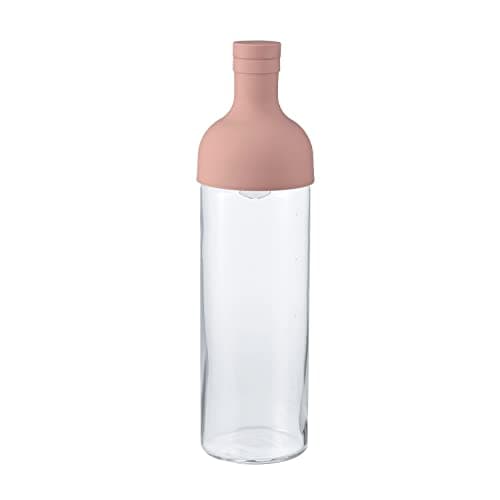
Hario Cold Brew Tea Wine Bottle, 750 ml
The category classic from Japan's glassware specialists: wine-bottle silhouette, silicone-sealed spout, removable fine strainer — made for tea, not adapted from coffee.
Shop Now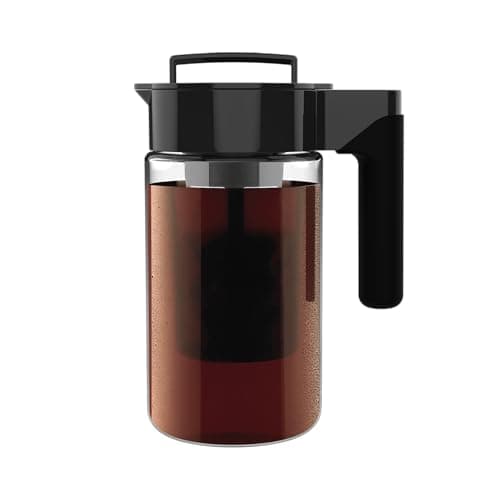
Takeya Deluxe Cold Brew Bottle-Style Pitcher, 1 qt
The best-reviewed brewer in the category, shaped slim enough for a fridge-door rail: airtight twist lid, fine-mesh core, shatterproof Tritan.
Shop Now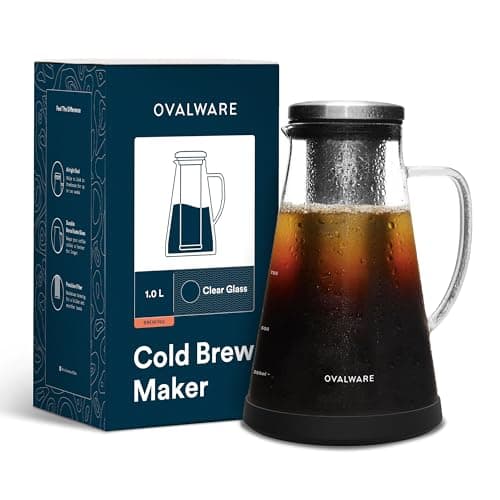
OVALWARE Airtight Cold Brew Maker & Tea Infuser, 1.1 L
Thick glass, stainless filter core, and a genuinely airtight seal — the buy-once glass option for anyone who wants the biggest bottle-format batch.
Shop Now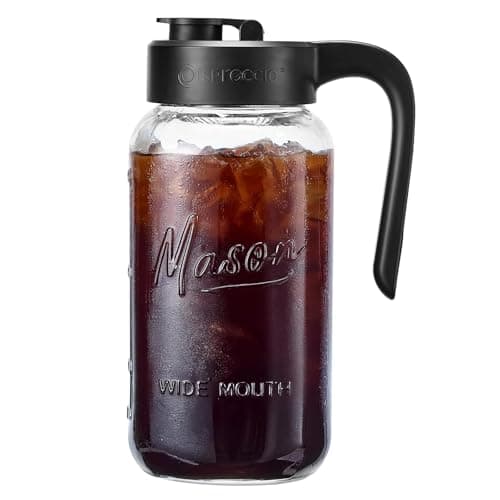
Airtight Mason Jar Pitcher with Handle & Infuser, 2 qt
The bridge option: jar-style airtight glass with a pour handle and drop-in infuser — bottle sealing with pitcher capacity for two-drinker households.
Shop NowProduct prices and availability are accurate as of September 19, 2026 and are subject to change. Any price and availability information displayed on Amazon at the time of purchase will apply.
Our Picks
Selection criteria, in order: a genuinely airtight seal (tea absorbs fridge odors faster than coffee), a filter that handles real loose leaf rather than only coarse coffee grounds, glass or Tritan that shrugs off daily washing, and a shape that actually fits a refrigerator door rail. Prices and stock shift; live numbers are on each card.
The Bottle-Scale Brewing Numbers
Bottle batches run smaller than pitcher recipes, so the spoon math changes:
| Bottle size | Loose leaf | Tea bags | Steep |
|---|---|---|---|
| 550 ml (~19 oz) | 1 Tbsp | 2 bags | 6–10 h |
| 750 ml (~25 oz) | 1½ Tbsp | 3 bags | 6–10 h |
| 1 L (~34 oz) | 2 Tbsp | 4 bags | 8–12 h |
Green teas sit at the short end of the steep window, black teas at the long end — the full per-type breakdown is in the cold brew tea steep time guide, and the master measurements in cold brew tea ratio.
One bottle-specific technique note: in-bottle filter cores hold the leaf in a narrow column, which slows extraction slightly versus leaves floating free. If your bottle brews weak at the standard ratio, either add half a steep-hour or drop the leaves in loose and pour the finished tea out through the filter instead — most core-filter bottles work both ways, and free-floating leaves brew the fuller cup.
Step by Step: A Perfect Bottle Batch
The full routine, timed at under two minutes of actual work:
- Load the filter core (or the bottle itself) with the right dose from the table above. Don't pack it — leaves need room to triple in size.
- Fill with cold, filtered water. Pour slowly over the leaves so everything wets evenly; dry pockets in a packed core brew nothing.
- Seal and tip once. Invert the bottle gently one time to settle the leaves into contact with the water, then stand it in the fridge — door shelf is fine, which is the format's whole charm.
- Wait 6–12 hours. Overnight is the natural rhythm. There is no timer anxiety here: an hour either side changes almost nothing at fridge temperature.
- Pull the core (or pour through it) and taste. If you brewed with a removable filter, take it out once the tea is where you want it — extraction stops completely and the bottle keeps for three days at peak.
The one habit that elevates every batch: start with good leaf. Bottle batches are small enough that even premium tea costs pennies per glass, and cold brewing showcases exactly the sweetness and aroma that cheap tea lacks. Whole-leaf teas from the loose leaf tea guide are the natural pantry here.
Troubleshooting Bottle Brews
Weak tea. Three usual causes: too little leaf for the bottle's volume (recheck the table — bottles mislead because they look small), a packed filter core with dry pockets inside, or leaf that's simply old. Fix in that order. If the bottle's core is narrow, brew the leaves loose and strain at pour time instead.
Cloudy tea. Rare in cold brew (cloudiness is mostly a hot-tea-meets-ice phenomenon), but hard water can haze a delicate green. Filtered water clears it. Cloudy and sour after day three means it's simply past its window — brew smaller batches.
Bitter tea. Genuinely unusual below 12 hours. If it happens, the culprit is almost always heavily broken leaf — dust extracts harshly even in cold water. Move up a leaf grade and the problem disappears; the cold brew tea steep time guide has per-type windows if you want to shorten a specific tea.
Fridge-smell tea. The seal failed or was never airtight — see the buying criteria above. Short of replacing the bottle, a strip of plastic wrap under the lid is the honest stopgap.
Leaves in every pour. The mesh is coarser than your leaf. Either size up your tea (whole leaf), double-strain through a fine kitchen sieve at serving, or use the DIY filter-bag trick from our no-infuser brewing methods.
What Makes or Breaks a Cold Brew Bottle
The seal is the whole product. A bottle lives on its side exactly once before you learn whether the lid gasket is real. Silicone-gasketed screw caps and clamp lids pass; push-on lids and 'splash-proof' pour spouts fail, and an unsealed bottle also drinks in fridge smells overnight — cold brew's delicacy makes it a sponge for onion air.
Filter mesh fineness decides your tea menu. Coffee-first bottles use coarse mesh that lets fine tea fannings through; tea-first designs (and any bottle with a double-mesh or cloth-fine core) pour clean even with broken-leaf blends. If you brew whole-leaf loose tea, almost any mesh works; bagged-grade leaf demands the fine stuff.
Mouth width decides whether you'll keep using it. Leaves swell to triple size; a narrow-neck bottle that needs a chopstick excavation after every batch quietly retires itself to a cabinet. Wide-mouth designs with removable cores clean in seconds — the same ten-second honesty test that separates keepers from clutter in the whole teaware category.
Glass vs Tritan: glass is flavor-neutral forever and handles a dishwasher; Tritan survives counters and kids. Both beat any bottle with a metal interior seam, which will eventually flavor delicate green tea.
Getting the Most From a Bottle Routine
The two-bottle rotation is the routine that makes the format sing: every evening, empty-ish bottle gets rinsed and reloaded — 90 seconds — and every morning opens with finished tea. Because batches are small, experimentation is cheap: a 750 ml test of an unfamiliar tea risks a tablespoon of leaf, which is exactly how we'd suggest exploring the best green tea for cold brew picks or a first oolong.
Drink each batch within three days (a properly sealed bottle holds flavor right to the edge of that window), and give the bottle a weekly deep clean — gasket out, filter core in a baking-soda soak — so tannin film never gets a foothold. The full method, from leaf choice through troubleshooting, lives in how to make cold brew tea.
If you're gifting one: pair the bottle with a cold-brew-friendly tea rather than sending it alone. A bottle plus a sampler of pitcher-ready teas is a complete starter kit for the easiest brewing method in tea.
Bottle Care: Gaskets, Mesh, and the Weekly Reset
Cold brew bottles fail at the gasket and the mesh, and both are maintainable. Weekly: pull the silicone gasket out of the lid and wash it separately — tea film builds in the groove behind it, which is where mystery sourness lives. Monthly: soak the filter core in hot water with a spoon of baking soda for fifteen minutes and the browned mesh brightens back to steel; the same routine that rescues infuser baskets in our teapot cleaning guide works identically here.
Glass bottles tolerate the dishwasher; their lids and gaskets mostly don't (heat warps the seal that makes the bottle worth owning). Thirty seconds by hand protects the part that matters. Tritan bottles keep their clarity longest when washed warm rather than hot.
Store the bottle empty with the lid off or ajar, exactly like a teapot — sealed damp storage grows the funk that no amount of scrubbing shifts quickly. With that small routine, a $20 bottle is honestly a multi-year purchase, which makes it one of the best cost-per-use items in teaware.
Which Teas Shine in a Bottle Format
Bottle-scale batches reward teas that hit peak flavor inside the 6–12 hour window and pour clean through a mesh core:
- Jasmine green — the single best starter: aromatic enough that even a mild brew tastes complete, and whole pearls never clog a filter.
- Sencha and other whole-leaf greens — sweet at hour six, which suits the overnight-and-breakfast rhythm; see the dedicated picks in best green tea for cold brew.
- Rolled oolong — unfurls slowly in cold water, so the 750 ml column of a bottle actually helps: by hour ten it's peachy and floral with zero bitterness.
- Black tea for iced-latte habits — brew at 2× in the bottle, then cut with milk over ice in the glass.
- Hibiscus and fruit tisanes — vivid color through clear glass and caffeine-free for evening drinking; they're also the most forgiving of a forgotten fifteen-hour steep.
The formats to skip in a bottle: powdered teas (matcha settles into sludge below a filter core) and very dusty broken-leaf blends, which slip through most mesh and over-extract. If your pantry runs to bags rather than loose leaf, family-size cold brew bags fit most wide-mouth bottles whole — the practical crossover covered in cold brew tea bags.
From our testing notes
Our fridge-door test was simple: brewed the same jasmine green in a sealed bottle and an ordinary lidded pitcher, both stored next to half an onion for 48 hours. The pitcher tea picked up a faint but unmistakable savory edge by day two; the gasket-sealed bottle tasted identical to hour one. Same tea, same shelf — the seal was the entire difference, and it's why lid quality outranks every other spec in our picks.
Sources & further reading
Frequently asked questions
Can I use a regular water bottle for cold brew tea?
Functionally yes — any sealed jar or bottle brews tea in the fridge. What you give up is the built-in filter (you'll strain through a sieve at pour time) and, with narrow-neck bottles, easy cleanup of swollen leaves. A mason jar plus a small sieve is the respectable zero-cost version.
How long does cold brew tea last in a bottle?
Three days refrigerated is the quality window, four the outer limit — the same as any cold brew. An airtight bottle preserves aroma noticeably better than a loose-lidded pitcher across days two and three, which is a real argument for the format.
Do cold brew coffee bottles work for tea?
Mostly yes — the brewing is identical. The one check is filter fineness: coffee-oriented mesh is sized for coarse grounds and can let fine tea particles through. Whole-leaf tea works in any of them; fine-cut tea wants a tea-first or double-mesh design.
How much loose tea for a 750 ml cold brew bottle?
One and a half tablespoons (about 4–5 grams) for standard strength — the general rule is 1.5× your hot-brew dose. Dense rolled teas like gunpowder need a little less; fluffy white teas a little more.
Can I leave the tea leaves in the bottle while I drink it over a few days?
You can — cold extraction is so gentle that day-three tea with leaves still in is stronger but rarely harsh. For delicate greens, though, pulling the filter core at the 8–12 hour mark keeps the flavor exactly where you liked it.