
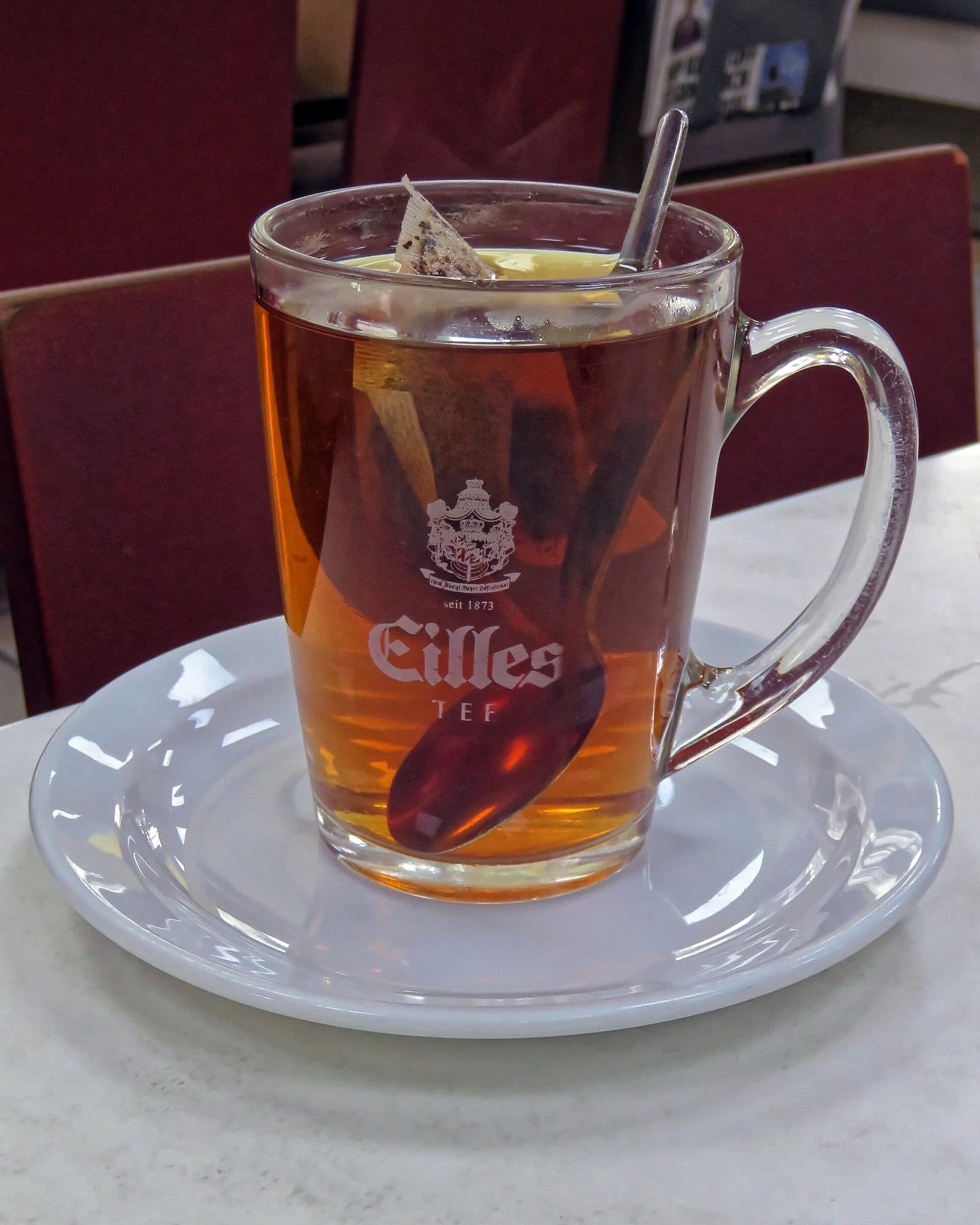
Lift the lid on a tin of earl grey tea and the first thing that reaches you is not tea at all. It is citrus — brighter than lemon, more floral than orange, with a faint bitter edge like the white pith of a peel. Then, underneath, the familiar malty smell of black tea arrives, and the two settle into the scent most people recognize from across a room.
That citrus is bergamot, and it is the whole point of the blend. Take it away and you have an ordinary black tea; add it and you have one of the most widely sold flavored teas in the English-speaking world, a staple of afternoon trays, airport cafés, and the steamed-milk drink known as the London Fog.
This guide follows the blend from the stories told about its origin (most of which do not survive scrutiny) to the citrus groves of southern Italy, then into the kettle, the fridge, and the milk jug. Every date and number below is tied to a source listed at the end of the page, and where the record is unclear, we say so rather than repeat a legend as fact.
A blend named after a prime minister — probably not by him
The name points to Charles Grey, 2nd Earl Grey, who served as British Prime Minister in the 1830s. The famous version of the story says a grateful Chinese mandarin, whose son had been rescued from drowning by one of Lord Grey's men, presented the blend to the Earl in 1803. It is almost certainly apocryphal: the Wikipedia entry on earl grey tea, which collects the competing accounts, notes that Lord Grey never travelled to China and that scenting tea with bergamot oil was then unknown in China.
Other versions have attached themselves to the name, including a diplomatic gift. The Grey family's own account holds that a blend was made specifically to suit the water at Howick Hall, the family seat in Northumberland, with bergamot chosen to offset the lime in the local water, and that Lady Grey served it so often as a political hostess that guests asked to buy it.
Two London tea houses have also staked claims. Jacksons of Piccadilly say Lord Grey gave the recipe to George Charlton, a partner at Robert Jackson & Co., in 1830, and that it never left their hands. Twinings tells a version in which the tea was presented by an envoy returning from China.
None of these accounts comes with a contemporary document that settles the matter. The blend is real; the founding myth is negotiable.
Tea & gear for this guide
Amazon picks matched to this guide. As an Amazon Associate, Tea & Peace earns from qualifying purchases.
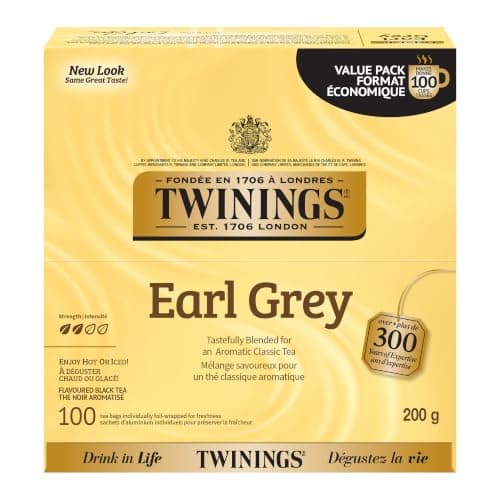
Twinings Earl Grey Black Tea Individually Wrapped Bags
Classic Earl Grey: black tea scented with bergamot.
Shop Now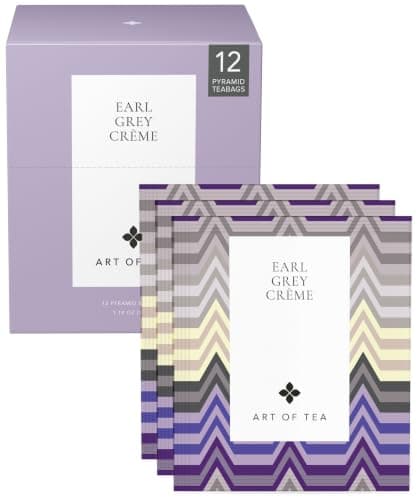
Art of Tea Earl Grey Creme Tea Bags 12 Count
Earl Grey crème or Lady Grey, softer variations on the blend.
Shop Now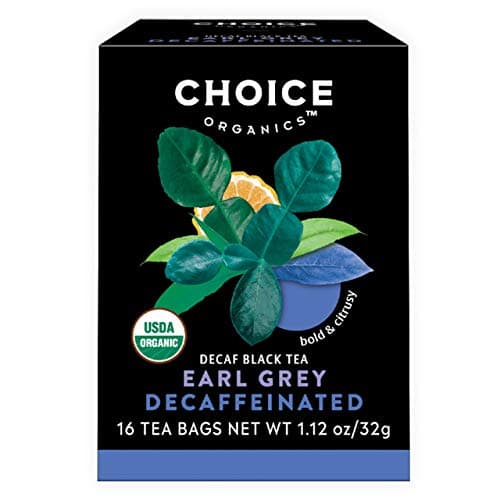
Choice Organics Decaffeinated Earl Grey Tea
Decaf Earl Grey, from the caffeine and decaf section.
Shop Now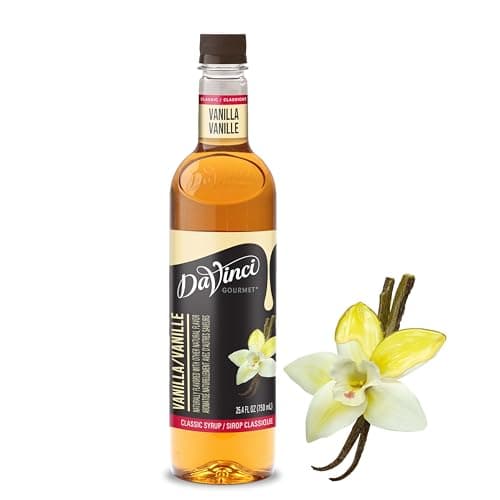
DaVinci Gourmet Classic Vanilla Syrup
Vanilla syrup for a London Fog (Earl Grey with steamed milk).
Shop Now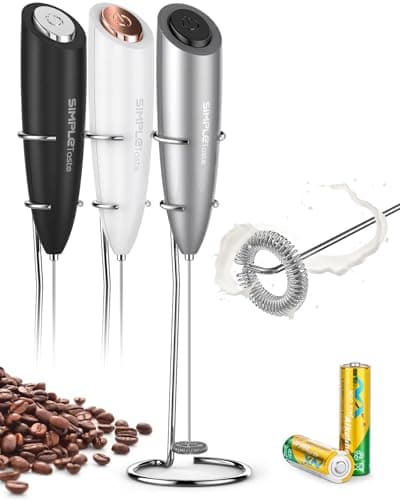
SIMPLETASTE Milk Frother Handheld Electric Foam Maker Battery Operated
A milk frother for the London Fog's steamed milk.
Shop Now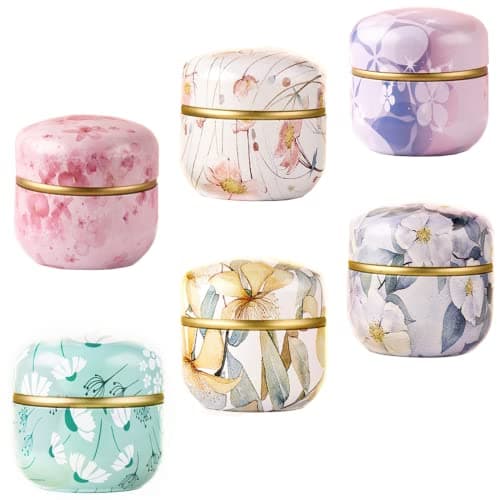
HAN SHENG 6 Pcs Tea Canister with Lids Tea Tins for Loose Tea Storage
A good tin keeps bergamot oil fresh, as the choosing-a-tin section notes.
Shop NowProduct prices and availability are accurate as of October 29, 2026 and are subject to change. Any price and availability information displayed on Amazon at the time of purchase will apply.
What the paper trail actually shows
When the legends are set aside, the surviving records tell a less romantic but more interesting story. The earliest known reference to tea flavored with bergamot dates to 1824 — and that article does not mention Earl Grey at all. Bergamot appears to have been used to make low-grade tea taste more expensive than it was. In 1837, charges were brought against a company accused of secretly adding bergamot to pass off its tea as a superior product.
That detail matters, because it makes it unlikely that a sitting or recently retired prime minister would have lent his name to a flavoring with a reputation for disguising cheap leaf. The trade names that do appear in print come later:
- 1852 — the earliest advertisement for “Grey's Tea” or “Grey's mixture” is attributed to a tea merchant named William Grey, after the 2nd Earl's death.
- 1850s–1860s — further advertisements use the “Grey's” name without an earldom attached.
- 1880s — the first known published references to an “Earl Grey” tea are advertisements by Charlton & Co. of Jermyn Street, London.
One theory is that “Earl” was added to make the tea sound more refined; another is that the name drifted toward Henry Grey, the 3rd Earl, who was alive when the title began to be attached to the blend. Either way, the documented history is a story about marketing and flavoring, not a gift between statesmen. Earl Grey is also not a registered trademark, which is why nearly every tea company sells its own earl grey tea under the same name.
If you want the wider family this blend belongs to, our guide to black tea covers the leaf, and types of tea places black tea among the other five true teas.
Bergamot: the citrus that defines the cup
The bergamot orange, Citrus bergamia, is a small citrus tree whose fruit is roughly orange-sized and yellow to green depending on ripeness. Genetic work suggests it is a probable hybrid of lemon and bitter orange. The juice is less sour than lemon but more bitter than grapefruit, so the fruit is grown for its peel oil.
The heartland is a narrow coastal strip in the province of Reggio Calabria, at the toe of Italy. A 2024 study from the University Mediterranea of Reggio Calabria describes bergamot essential oil as “obtained by cold-pressing the peel” in a small area of Calabria, and notes that the oil from that area is protected by the European Union's PDO (Protected Designation of Origin) mark.
There are two broad ways to get bergamot into tea:
- Oil on the leaf. Black tea is coated or sprayed with bergamot essential oil. This is said to give a stronger, more immediate citrus aroma.
- Dried peel in the blend. Pieces of dried bergamot rind are mixed with the tea, so the citrus infuses during brewing rather than sitting on the leaf beforehand.
A reality check: many, if not most, Earl Greys on supermarket shelves use other natural or artificial flavorings rather than pure bergamot oil, because they are cheaper and keep longer. If the source of the citrus matters to you, read the ingredients panel — “bergamot oil” and “natural bergamot flavor” are not the same claim, and “flavoring” alone tells you very little.
One more source of confusion: the garden herb sold as “bergamot” or bee balm (Monarda) is a mint-family plant named for its similar smell. It is not what flavors Earl Grey.
The tea underneath the citrus
Bergamot gets the attention, but the base tea decides whether a cup of earl grey tea tastes elegant or harsh. Traditionally, the blend was built on Chinese black teas such as Keemun, a softer, less tannic style that was intended to be drunk without milk. Some add a little lapsang souchong for smoke. Today the base is just as likely to be Ceylon, Assam, or a mixed black tea chosen for price and consistency.
Those choices change the cup more than most people expect:
| Base tea | What it tends to bring | Milk? |
|---|---|---|
| Keemun / Chinese black | Smooth, lower astringency, lets bergamot lead | Usually plain |
| Ceylon | Bright, brisk, clean finish; holds up iced | Either way |
| Assam | Malty, heavy body that can swamp delicate citrus | Often with milk |
| Green or oolong base | Lighter, more floral; oxidation is shortened or skipped | Plain |
The descriptions above are the conventional character of each tea type, which our Chinese black tea guide explores for Keemun; they are not measurements of any particular brand.
You will also see a crowd of spin-offs on shelves: “cream” Earl Greys with vanilla, versions with cornflower or rose petals, and Lady Grey-style blends with extra citrus. They are all variations on earl grey tea's basic idea — black (or sometimes green) tea plus bergamot — and they brew the same way.
How to brew a hot cup without bitterness
Earl grey tea is a black tea, so it wants hot water, but it is a little less forgiving than plain breakfast tea because over-steeping pulls tannins that clash with the citrus oil. Published guidance is close but not identical, so here is what the sources actually say:
| Source | Water | Steep time | Milk |
|---|---|---|---|
| UK Tea & Infusions Association | 90–98°C (194–208°F) for black tea | 3–4 minutes for Earl Grey | With or without |
| Wikipedia summary of common practice | Just-boiled | 2–3 minutes is common; some suggest up to 5 for fuller citrus | Personal preference |
| ISO 3103 (lab tasting standard, not a recipe) | Boiling | 6 minutes for black tea | Optional |
For an everyday mug, the UK Tea & Infusions Association's method is a sensible default: freshly drawn water, one tea bag or one rounded teaspoon of loose tea per cup, water at 90–98°C, and 3–4 minutes before you take the leaves out. Do not re-boil water that has already boiled; the association notes that repeat boiling reduces the oxygen in the water and flattens the flavor.
If your earl grey tea tastes sharp or perfumey, shorten the steep before you change brands. If it tastes thin, add more leaf rather than leaving it in longer — extra time adds bitterness faster than it adds citrus. Our tea steeping times chart puts these numbers next to other teas, and how to make tea covers the basics of kettles, pots, and measuring.
Lemon is a classic partner because it echoes the bergamot.
Iced and cold-brewed Earl Grey
Bergamot is the reason earl grey tea makes such good iced tea: the citrus reads as refreshing when cold, and black tea's body keeps the glass from tasting watery as ice melts. You have two good routes.
Cold brew in the fridge. Put tea and cold water in a clean jar or pitcher and refrigerate. Ohio State University Extension's food-safety guidance describes cold brewing tea in the refrigerator for “six hours to overnight depending on how strong you like your tea.” Cold-brewed Earl Grey tends to taste rounder, with softer bergamot. Our step-by-step how to make cold brew tea method works for Earl Grey without changes, and the broader cold brew tea guide explains ratios and timing.
Hot-brew, then chill. Brew a stronger-than-usual hot pot, let it cool, then refrigerate. The same Ohio State guidance explains that iced tea turns cloudy when tannins come out of solution as the tea is cooled too quickly; letting it cool gradually, or adding cool water before ice, helps keep it clear.
A few practical notes for iced earl grey tea:
- When bergamot oil coats the leaf, the citrus comes out early. If a cold brew tastes more like perfume than tea, shorten the time or add more leaf next round.
- Keep cold-brewed tea in the refrigerator, which the CDC advises keeping at 40°F or below.
- Orange slices, a little honey, or a sprig of lavender all play well with bergamot.
For a side-by-side look at how the methods differ in taste, see cold brew vs hot brew tea.
The London Fog: Earl Grey with steamed milk
A London Fog is a hot drink made from Earl Grey tea, steamed milk, and a sweetener, usually vanilla syrup. Despite the name, it is generally credited to Vancouver, Canada, in the 1990s. The story most often told is that Mary Loria, who was pregnant at the time and a regular at Vancouver's Buckwheat Café, started ordering Earl Grey with steamed milk and vanilla, then asked for it at other cafés and recommended it to friends until the drink spread. Loria herself has said she does not know who gave it the name; the “fog” is the steamed milk. Like most café origin stories, it rests on recollection rather than records.
To make one at home:
- Brew a strong cup of Earl Grey — use a little more leaf than usual or the upper end of the steep time, because the milk dilutes it.
- Stir vanilla syrup (or vanilla extract plus honey or maple syrup) into the hot tea.
- Heat milk until steaming, froth it if you have a frother or a jar to shake it in, and pour it over the tea.
- Spoon the foam on top. A pinch of cinnamon, nutmeg, or dried lavender is a common finish.
Oat and other plant milks work well. An iced version is easy too: pour cold-brewed Earl Grey over ice, add vanilla syrup, and top with cold milk. Cold-brewing at double strength gives you a concentrate without any heat.
Caffeine, decaf, and choosing a good tin
Because Earl Grey is built on black tea, it carries black tea's caffeine. The USDA's FoodData Central database lists brewed black tea at 20 mg of caffeine per 100 g, which works out to roughly 47 mg in an 8-fl-oz (237 g) cup using USDA's own portion weight. The FDA's consumer guidance puts a typical 12-fl-oz serving of black tea at 71 mg, compared with 113–247 mg for the same size of regular brewed coffee. Actual amounts vary with the leaf, the amount used, and how long you steep. Decaf Earl Grey exists, but the FDA notes that decaffeinated teas still contain some caffeine, so “decaf” is not the same as caffeine-free. Our cold brew tea caffeine guide explains how cold steeping changes the picture.
When buying, a few signals separate good earl grey tea from the forgettable kind:
- The ingredients list. Look for bergamot oil named specifically. “Flavoring” alone means you cannot tell what produced the citrus.
- The base tea. A named origin (Ceylon, Keemun, Assam) suggests the blender cared about the leaf, not only the scent.
- Freshness. Citrus oils fade, so buy smaller tins and store them airtight, away from light, heat, and strongly scented foods like coffee and spices.
Loose leaf gives you more control over strength, as our loose leaf tea guide explains, but a good tea bag is a perfectly respectable way to drink earl grey tea every day.
Worth knowing
Reference point, compiled from the sources below rather than a kitchen test: published steep times for Earl Grey run from 2–3 minutes (common practice summarized on Wikipedia) to 3–4 minutes (UK Tea & Infusions Association), with some recommending up to 5 for a fuller citrus aroma — and the lab standard ISO 3103 uses 6 minutes for black tea, which is a tasting protocol, not a drinking recommendation. Starting at 3 minutes and adjusting by 30 seconds is the practical middle of that published range.
Sources & further reading
- Earl Grey tea — Wikipedia (history, 1824 and 1837 records, 1852 and 1880s advertisements, flavoring methods) (read 2026-10-11)
- Gattuso A. et al., “Quality Evaluation of Bergamot Juice Produced in Different Areas of Calabria Region”, Foods 2024 13(13):2080 — bergamot oil cold-pressed from the peel, EU PDO (read 2026-10-11)
- UK Tea & Infusions Association — How to make a perfect brew (black tea 90–98°C; Earl Grey 3–4 min, with or without milk) (read 2026-10-11)
- ISO 3103 — Wikipedia summary of the ISO tasting standard (2 g per 100 ml boiling water, 6 min for black tea) (read 2026-10-11)
- Ohio State University Extension, Live Smart Ohio — Is Sun Tea Safe? (refrigerator cold brew six hours to overnight; cloudiness from rapid cooling) (read 2026-10-11)
- CDC — Four Steps to Food Safety (refrigerator at 40°F or below) (read 2026-10-11)
- USDA FoodData Central — Beverages, tea, black, brewed (20 mg caffeine per 100 g; 8 fl oz = 237 g) (read 2026-10-11)
- FDA — Spilling the Beans: How Much Caffeine is Too Much? (black tea 71 mg per 12 fl oz; decaf is not caffeine-free) (read 2026-10-11)
- London fog (drink) — Wikipedia (Vancouver, 1990s, Mary Loria) (read 2026-10-11)
- Bergamot orange — Wikipedia (botany, Reggio Calabria production, not related to Monarda) (read 2026-10-11)
Frequently asked questions
Is Earl Grey a black tea?
Yes, in almost every case. Earl Grey is a black tea flavored with bergamot, a citrus fruit grown mainly in southern Italy. Some companies sell green or oolong versions under the same name, but the classic blend is black tea.
Does Earl Grey tea have caffeine?
Yes. It has the caffeine of the black tea it is made from. USDA FoodData Central lists brewed black tea at 20 mg per 100 g (about 47 mg in an 8-fl-oz cup), and the FDA gives 71 mg as typical for a 12-fl-oz serving. Decaf versions contain less, but not zero.
Who invented Earl Grey tea?
Nobody knows for certain. The blend is named after Charles Grey, 2nd Earl Grey, but the popular mandarin story is considered apocryphal. Bergamot-flavored tea is recorded from 1824, “Grey's mixture” advertisements from 1852, and the first known “Earl Grey” advertisements from Charlton & Co. in the 1880s.
What does Earl Grey taste like?
Like a malty black tea with a bright, floral citrus aroma on top — somewhere between lemon and orange, with a slightly bitter peel note. Keemun-based blends are smoother; Assam-based blends heavier and maltier.
Should you put milk in Earl Grey?
It is up to you. The UK Tea & Infusions Association lists Earl Grey as a tea that can be drunk with or without milk. Keemun-based blends are usually best plain, while Assam-based blends handle milk well.
How long should you steep Earl Grey?
Three to four minutes in water at 90–98°C (194–208°F) is the UK Tea & Infusions Association's guidance. If it tastes sharp, cut the time; if it tastes weak, add more leaf rather than steeping longer.
Can you cold brew Earl Grey?
Yes, and it is one of the best teas for it. Steep it in cold water in the refrigerator for six hours to overnight, then strain. The bergamot comes through softer and sweeter than in a hot cup. Our how to make cold brew tea guide walks through the method.
What is a London Fog drink?
A London Fog is Earl Grey tea with steamed milk and a sweetener, usually vanilla syrup. It is generally credited to Vancouver in the 1990s rather than London.
Is the bergamot in Earl Grey the same as the herb bergamot?
No. The flavor comes from the bergamot orange, Citrus bergamia, a citrus fruit whose peel oil is cold-pressed. The garden herb called bergamot or bee balm (Monarda) is a mint-family plant that simply smells similar.